
Beautiful Plants For Your Interior
Beautiful Plants For Your Interior
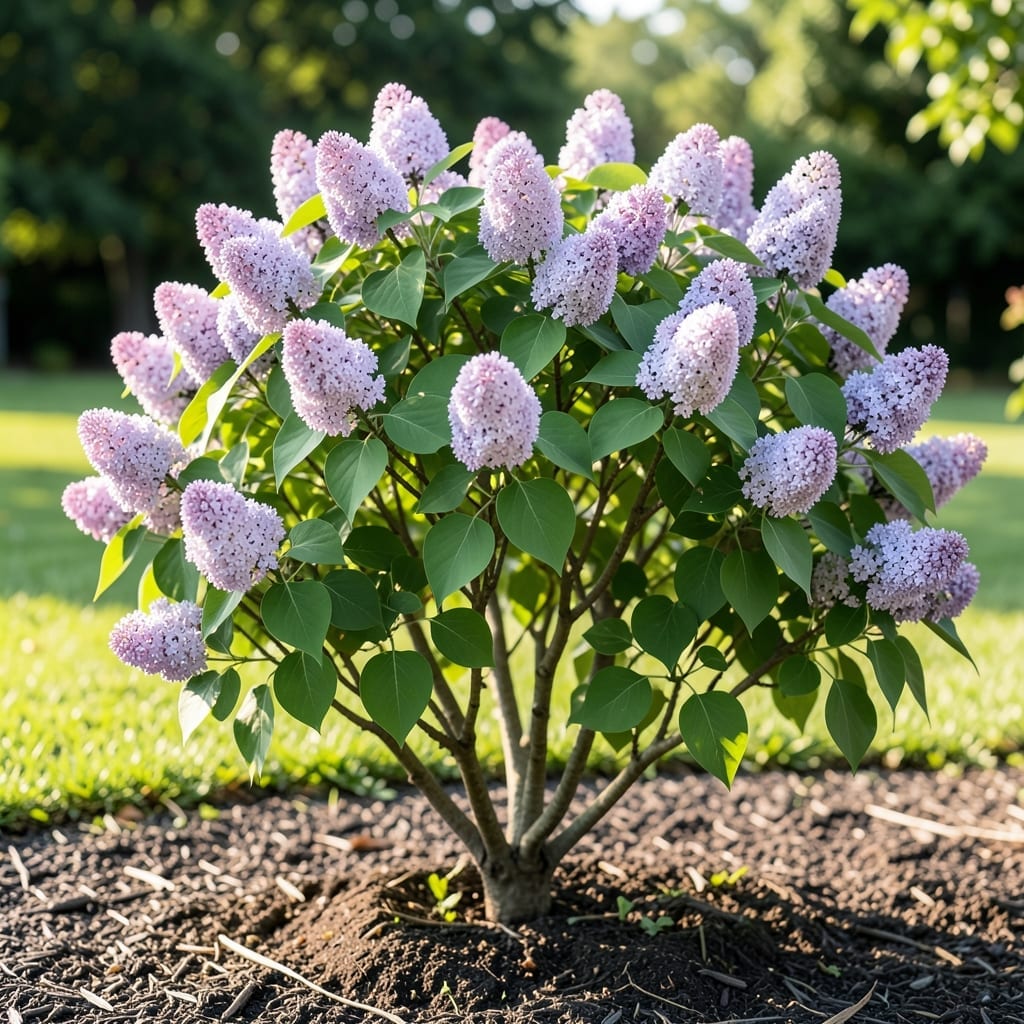
Yes, lilacs are deciduous shrubs that naturally shed their leaves each fall as temperatures drop and days shorten, then regrow them in spring.
This annual cycle is a normal part of their biology, triggered by seasonal changes that signal the plant to conserve energy for winter. I’ve noticed that even in milder climates, the process still occurs as daylight hours decrease. The shrubs enter dormancy, which protects them from cold damage and prepares them for vigorous growth when warmer weather returns. ✨
💡 In This Article
The process begins with photoperiodism—lilacs detect shorter days in late summer. This triggers hormonal shifts, particularly a rise in abscisic acid, which signals the plant to prepare for dormancy. The shrub then starts breaking down chlorophyll, causing leaves to change color before detaching. 🌟
Energy conservation is the driving force. As temperatures drop below 50°F, lilacs redirect resources from foliage to root systems. This survival strategy prevents freezing damage to delicate leaf tissues. The plant essentially “shuts down” its above-ground growth to focus on underground survival. ⚡
You’ll notice the leaves don’t just fall off—they’re actively shed. Lilacs develop an abscission layer at the base of each leaf stem, a specialized cell zone that cleanly severs the connection. This process typically takes 4-6 weeks from first color change to complete leaf drop. 💫
The timing varies by cultivar and climate. Early varieties may begin shedding in September, while late bloomers often hold leaves until November. In my experience, common purple lilacs (Syringa vulgaris) tend to drop leaves earlier than dwarf Korean lilacs, which have a more gradual transition. ✨
This seasonal cycle isn’t just about survival—it’s also about renewal. The dormant period allows lilacs to store energy for next year’s bloom. Without this leaf drop, the plant would waste valuable resources trying to maintain foliage through winter, potentially weakening its spring performance. 🔥
Yes, all true lilacs are deciduous and will shed leaves annually. Even evergreen varieties in the lilac family (like some Syringa vulgaris hybrids) still lose some foliage during seasonal transitions, though not as dramatically as classic types.
Yellowing results from chlorophyll breakdown as the plant prepares for dormancy. This natural process reveals other pigments in the leaves. Expect this color change 2-3 weeks before full leaf drop.
Abnormal loss often involves leaves dropping green or with dark spots. Check for signs of disease like powdery mildew or pests. Summer leaf drop almost always indicates a problem needing attention.
Yes, clear away fallen leaves to prevent disease and pests. A 2-3 inch gap between the base and leaf litter improves air circulation. This simple step can prevent many common lilac problems.