
Beautiful Plants For Your Interior
Beautiful Plants For Your Interior
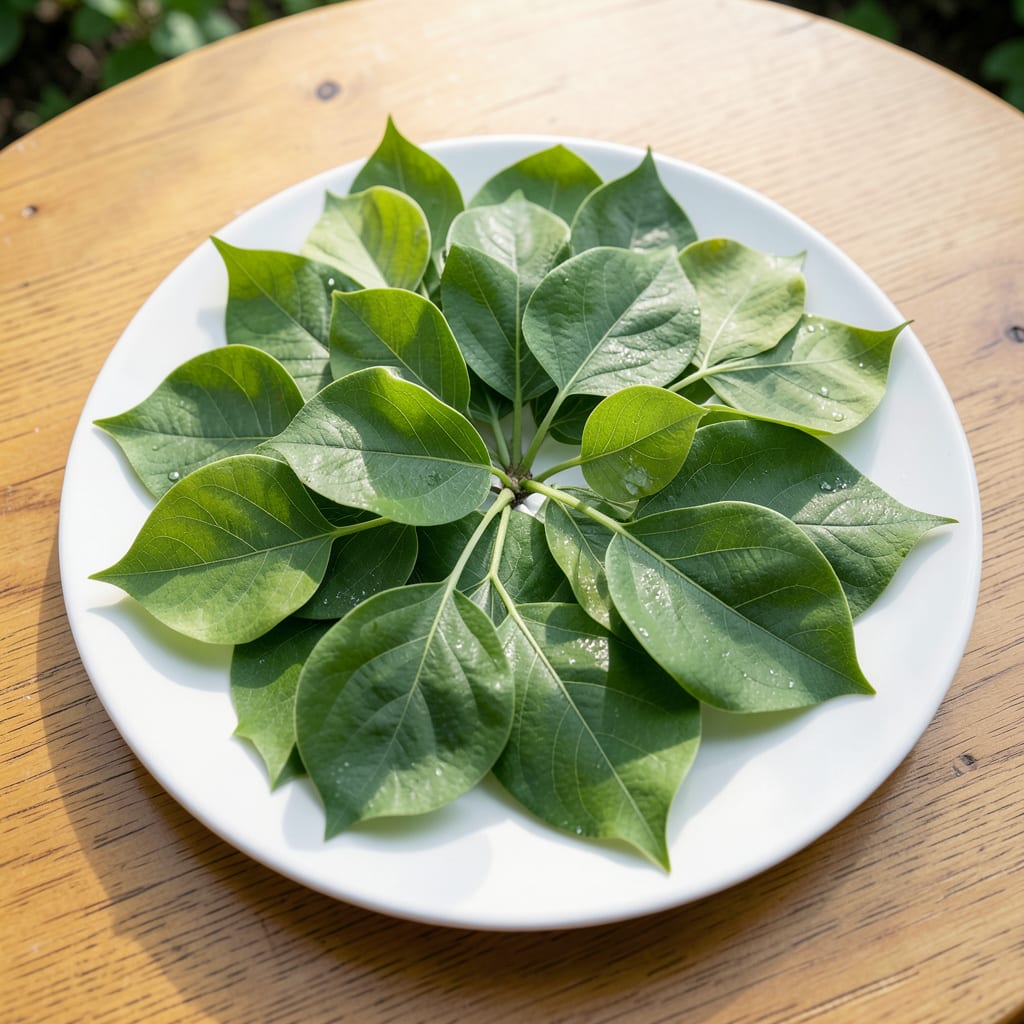
I fell for lilacs the first spring I saw their heart-shaped leaves unfurling. They’re the first sign that those famous fragrant blooms are coming, and the deep green foliage lasts all season.
These leaves thrive with consistent moisture and full sun, but watch for powdery mildew if humidity rises. A little care keeps them lush from spring through fall, setting the stage for next year’s flowers.
📚 In This Guide
Here’s how to recognize healthy lilac foliage and maintain its vibrant appearance throughout the growing season.
Common lilac leaves are heart-shaped with a smooth, slightly wavy margin and grow in opposite pairs along the stem. Each leaf measures 2-5 inches long with a pointed tip. The arrangement is decussate, meaning each pair of leaves emerges at a 90-degree angle from the pair below it.
Look for a deep green color on the upper surface and a paler underside. Healthy leaves feel slightly leathery to the touch. If you notice yellowing or curling edges, it often signals stress from insufficient water or poor soil conditions.
In spring, new lilac leaves emerge with a reddish-purple tint before turning green as they mature. By mid-summer, they reach full size and maintain their rich color. Come fall, expect the leaves to turn pale yellow or brown before dropping—this is normal and not a cause for concern.
If leaves drop prematurely in summer, check for pest damage or fungal issues like powdery mildew, which appears as a white, powdery coating. Early intervention with a fungicide or improved air circulation can prevent spread.
Lilacs prefer well-draining soil kept evenly moist but not soggy. Water deeply at the base once a week during dry spells, ensuring the top 1-2 inches of soil dry out between waterings. Overwatering leads to root rot, while drought stress causes leaves to wilt or turn crispy.
Use a soaker hose or drip irrigation to keep foliage dry, reducing the risk of fungal diseases. Mulch around the base with 2-3 inches of organic material to retain moisture and regulate soil temperature.
Lilacs thrive in full sun, requiring at least 6-8 hours of direct sunlight daily for healthy leaf growth and abundant blooms. Insufficient light results in sparse, weak foliage and fewer flowers. If your plant isn’t getting enough sun, consider transplanting it to a sunnier spot.
Good airflow is critical to prevent fungal issues. Space multiple lilac plants 5-6 feet apart to allow air to circulate freely. Prune any crowded branches in late winter to open up the center of the shrub.
Prune lilacs immediately after they finish blooming, typically in late spring or early summer. Remove dead, damaged, or diseased wood first, cutting back to healthy growth. Thin out one-third of the oldest stems at the base to encourage new growth and better airflow.
Avoid heavy pruning in fall or winter, as this can remove next year’s flower buds. Always sterilize pruning tools with rubbing alcohol between cuts to prevent the spread of disease. Proper pruning keeps leaves vibrant and the plant vigorous.
These practical insights will help you identify and care for lilac foliage like a pro.
Leaf Identification Tip: When examining plants in Step 1, pay special attention to that 90-degree angle between leaf pairs—this decussate arrangement is unique to lilacs and helps distinguish them from lookalikes. The heart-shape with pointed tip is another giveaway.
Moisture Management: For Step 3, I always check the soil by sticking my finger 1-2 inches deep. If it feels dry at that depth, it’s time to water deeply at the base. That once a week schedule works perfectly in most climates during dry periods.
Sunlight Strategy: The 6-8 hours of daily sun mentioned in Step 4 isn’t just a suggestion—it’s essential. If your lilac isn’t blooming well, it’s likely not getting enough light. Morning sun is ideal as it dries dew quickly, reducing fungal risks.
Pruning Wisdom: In Step 5, that one-third rule for old stems is critical. It might seem aggressive, but removing that much each year prevents the plant from becoming woody and unproductive. Always prune right after blooming to avoid cutting off next year’s flowers.
Yellow leaves often signal overwatering, poor drainage, or nutrient deficiencies. Check soil moisture and ensure proper drainage. A balanced fertilizer can help restore vibrant green leaves.
Lilac leaves typically appear in early to mid-spring, shortly after the last frost. In warmer climates, they may emerge earlier. Healthy buds will swell and unfurl into fresh foliage.
Yes! Lilac leaves decompose well and add organic matter to compost. Avoid using leaves from diseased plants, as they may spread pathogens. Chopping them speeds up the composting process.
Brown spots are often caused by fungal diseases like leaf spot. Remove affected leaves, improve air circulation, and apply a fungicide if needed. Avoid overhead watering to prevent future issues.
Yes, consider plants like Russian olive or smoke bush, which thrive with less water. Both offer attractive foliage and are more resilient in dry conditions than traditional lilacs.
