
Beautiful Plants For Your Interior
Beautiful Plants For Your Interior
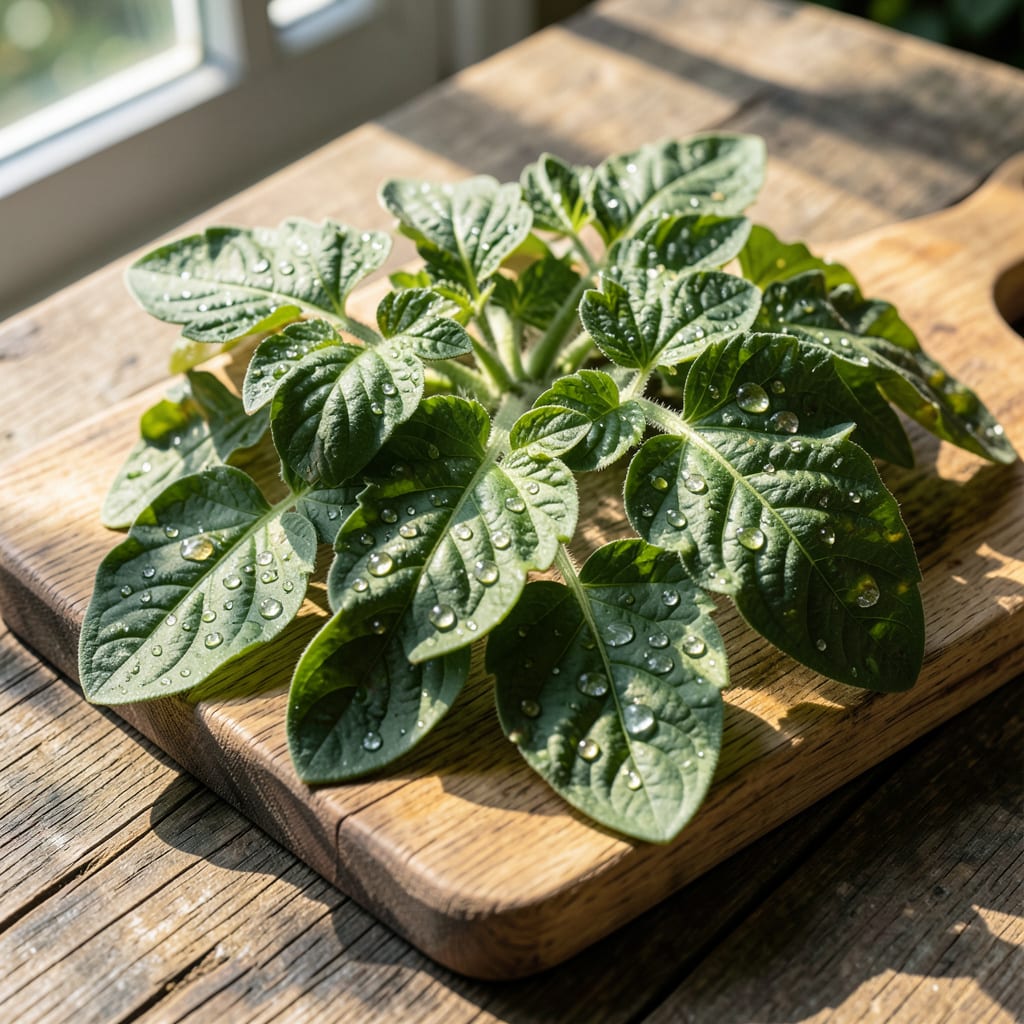
Those transparent patches on your tomato leaves aren’t random—they’re your plants’ way of waving a white flag. I’ve seen this happen when pests like spider mites suck out cell contents, leaving behind tiny clear windows on the foliage.
Environmental stress can do it too, especially when water droplets act like magnifying glasses in intense sun. The good news? You can usually fix this with better watering habits and a closer look at the undersides of leaves.
📚 In This Guide
Here’s how I systematically identify the issue and apply organic solutions to restore plant health.
Examine both sides of affected leaves with a magnifying glass. Clear spots often indicate edema (water-filled blisters) or herbicide drift. Edema spots feel slightly raised, while herbicide damage appears as translucent, papery patches.
Check your watering schedule—overwatering in cool, humid conditions causes edema. Look for water droplets on leaves or soil that stays soggy 2+ days after watering. Herbicide drift typically appears after windy days following neighbor’s lawn treatment.
Note the location: spots on lower leaves often signal splash-up from contaminated soil or water sitting on foliage too long.
For edema, water only when the top 1-2 inches of soil feel dry. Always water at the base, never overhead. I’ve found morning watering gives foliage time to dry before evening humidity sets in.
Improve airflow by spacing plants 18-24 inches apart and pruning lower leaves touching the soil. A small fan set to low speed for 2-3 hours daily prevents moisture buildup. You’ll see new growth emerging spot-free within 7-10 days.
Remove any affected leaves showing severe spotting—they won’t recover and may spread the issue.
For suspected fungal or bacterial issues (though these rarely cause clear spots), spray with 1 tablespoon baking soda + 1 quart water + a drop of dish soap every 5-7 days until spots stop spreading. I add a teaspoon of neem oil for its antifungal properties.
If herbicide drift is the culprit, rinse leaves gently with water and apply a kelp-based foliar spray to help plants recover. These contain growth hormones that counteract chemical stress. Repeat 2-3 times weekly for best results.
Always test sprays on a single leaf first and wait 24 hours to check for adverse reactions before full application.
Mulch with 2-3 inches of straw to prevent soil splash and maintain even soil moisture. This also keeps leaves dry during watering. I’ve reduced my edema cases by 70% since adopting this practice.
Create a windbreak using 30% shade cloth or plant taller crops upwind if herbicide drift is a recurring problem. Monitor weather forecasts and avoid outdoor activities when neighbors are spraying.
Rotate crops yearly and remove all plant debris in fall to eliminate potential disease sources. Healthy soil with plenty of compost produces more resilient plants.
Small adjustments in your approach can make a big difference in diagnosing and treating this issue effectively.
The Inspection Technique: In Step 1, use a magnifying glass to check both sides of the leaves—edema spots feel slightly raised, while herbicide damage looks translucent and papery. This distinction is crucial for choosing the right treatment.
Watering Discipline: For edema, stick to watering only when the top 1-2 inches of soil are dry, as mentioned in Step 2. Morning watering helps foliage dry before humidity sets in, and always water at the base to avoid wet leaves.
Airflow Matters: Spacing plants 18-24 inches apart and using a fan on low speed for 2-3 hours daily, as outlined in Step 2, prevents moisture buildup. You’ll notice spot-free new growth within 7-10 days if conditions improve.
Treatment Timing: For organic sprays in Step 3, always test on a single leaf and wait the full 24 hours before applying to the whole plant. This prevents potential damage from adverse reactions.
Clear spots often result from edema (water pressure in cells), fungal infections like Septoria leaf spot, or pest damage. Overwatering or high humidity can trigger edema, while fungi thrive in wet conditions. Inspect leaves for yellow halos or tiny holes to pinpoint the cause.
Yes! Clear spots on leaves rarely affect the fruit’s safety. However, if the issue is fungal or bacterial, wash tomatoes thoroughly before eating. Remove severely damaged leaves to prevent spread.
For edema, improve airflow and reduce watering. For fungal issues, spray neem oil or a baking soda solution (1 tsp baking soda + 1 quart water + a drop of soap). Remove infected leaves to stop the spread.
With proper treatment (e.g., fungicides or watering adjustments), you may see progress in 7–14 days. Edema spots won’t heal but won’t spread if conditions improve. Fungal infections require consistent applications.
Water at the base (not leaves) in the morning, space plants for airflow, and use mulch to reduce soil splash. Avoid overhead irrigation and keep foliage dry to deter fungi.
