
Beautiful Plants For Your Interior
Beautiful Plants For Your Interior
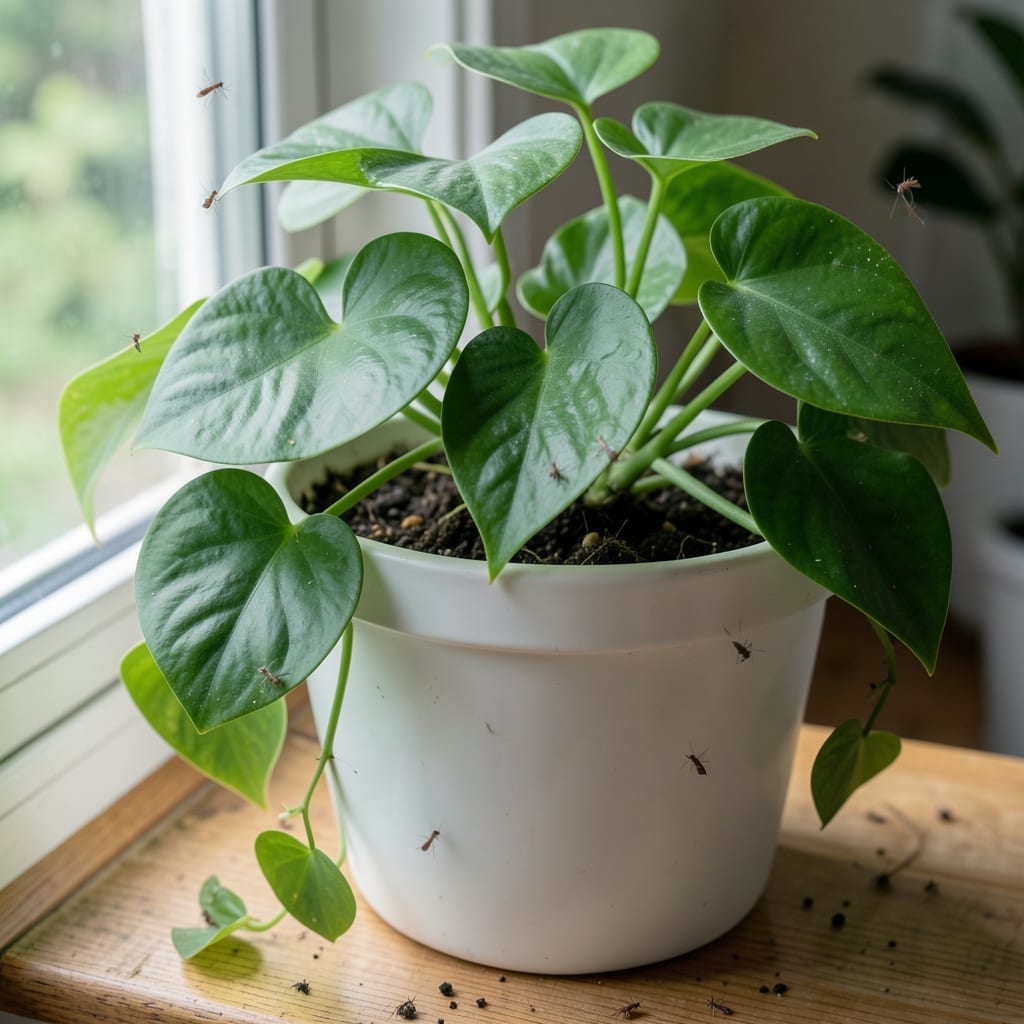
Those tiny black flies hovering around your houseplants aren’t just annoying—they’re a sign your soil is too wet. 🌱 I’ve battled these pests in every plant collection I’ve ever owned, and the solution starts with understanding what’s really going on beneath the surface.
The problem isn’t the flies themselves but their larvae, which thrive in damp soil and feed on plant roots. Overwatering is the usual culprit, but even well-meaning plant parents can create the perfect breeding ground with poor drainage or organic-rich potting mixes.
Fixing this means addressing both the adults and the eggs already in your soil. The good news? You can evict these uninvited guests without harsh chemicals, using simple household items and a few adjustments to your care routine.
Your plants will thank you with healthier roots and lush growth, and you’ll finally enjoy your indoor jungle without the buzzing irritation. Here’s exactly how to take back control.
The appearance of tiny dirt flies around your houseplants isn’t random—it’s usually a sign of hidden conditions in your plant’s environment. These pests, often fungus gnats, thrive in specific scenarios that can be both prevented and fixed.
Fungus gnats lay their eggs in moist soil. When you overwater your houseplants, the top layer of soil stays damp, giving these flies the perfect wet habitat to multiply. The larvae feed on decomposing organic matter and root hairs, worsening the problem. Action: Let the top 1-2 inches of soil dry out between waterings.
Old leaves, fallen petals, or uneaten compost in the pot provide food for fungus gnat larvae. As this matter breaks down, it releases nutrients that draw adult flies to lay eggs. Action: Remove dead plant debris and avoid leaving organic mulch or tea leaves on the soil surface.
Pots without drainage holes or those using dense, water-retentive soil mixes (like pure peat) keep moisture trapped. This stagnant dampness accelerates fungal growth and supports a full gnat life cycle. Action: Repot in containers with drainage and use a well-aerated, fast-draining potting mix with perlite or coarse sand.
Fungus gnats thrive in warm (70–80°F) and humid environments—common in indoor plant setups. Higher temperatures accelerate their life cycle, causing populations to explode in just weeks. Action: Improve airflow with a small fan and reduce humidity using a dehumidifier if needed.
Dealing with tiny dirt flies around your houseplants? Here’s how to tackle the issue head-on with simple, effective solutions for each likely cause.
Let the top 1-2 inches of soil dry out between waterings. Stick your finger in the soil—if it feels damp, hold off. Use pots with drainage holes to prevent soggy soil, and empty saucers after watering to avoid standing water. Prevention tip: 💡 Switch to a well-draining potting mix with perlite or sand to improve aeration.
Remove dead leaves, fallen petals, or uneaten food (like fruit peels) from the soil surface or nearby areas. These attract fungus gnats, which thrive on decay. Wipe down pot rims and trays with soapy water to eliminate hidden eggs. Prevention tip: 🎯 Top dress your plants with a layer of sand or gravel to deter adults from laying eggs in the soil.
If your plant sits in waterlogged soil, repot it into fresh, sterile potting mix. Choose containers with drainage holes, and add a layer of pebbles at the bottom to enhance drainage. For existing plants, loosen compacted soil with a fork to improve airflow. Prevention tip: ✨ Use terracotta pots—they wick away excess moisture faster than plastic.
Place yellow sticky traps near infested plants to catch adult flies. For larvae, water with a mix of 1 part hydrogen peroxide to 4 parts water to kill them on contact. Neem oil sprays (1 tsp per quart of water) can also disrupt their life cycle. Prevention tip: 🌡️ Quarantine new plants for 2-3 weeks to avoid introducing pests to your collection.
Look for tiny black flies hovering near soil or resting on leaves. You might also spot larvae in the topsoil.
They thrive in damp soil. If you don’t fix overwatering or poor drainage, new flies will hatch from existing eggs.
Adults are mostly annoying, but larvae can damage roots in severe cases. Act quickly to prevent long-term harm.
Apple cider vinegar traps can catch adults. Mix 1/4 cup vinegar and 1 tsp dish soap in a container near plants.