
Beautiful Plants For Your Interior
Beautiful Plants For Your Interior
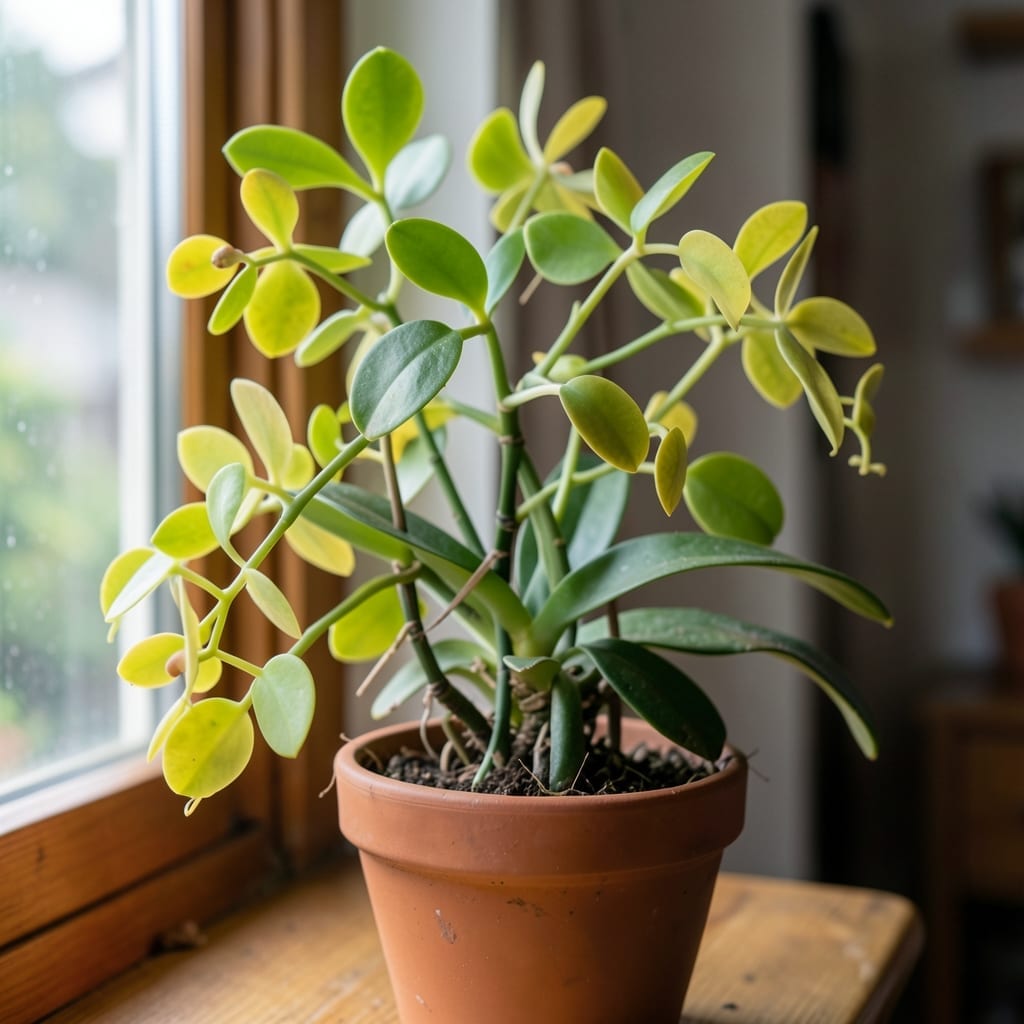
Yellow leaves on your dendrobium aren’t a death sentence. I’ve saved countless orchids by catching this early—it’s usually a simple imbalance of light or water.
Too much water drowns the roots, while too little leaves them parched. The wrong light exposure—either too harsh or too dim—stresses the plant just as much. Most cases fix with a small adjustment to your routine.
You’ll see new growth return in 2-3 weeks once conditions stabilize. The key is observing your plant’s environment and responding quickly before the issue spreads.
Works for any dendrobium variety, whether mounted, potted, or in a bark mix. Here’s how to diagnose and correct it.
Dendrobium leaves turn yellow due to several stress factors, often tied to environmental or care imbalances. Here’s what’s likely causing the discoloration:
Excess water suffocates the roots, blocking oxygen uptake. This leads to root rot, where fungal or bacterial infections degrade root tissue. As roots die, they can’t absorb nutrients, causing leaves to yellow (chlorosis). Check for mushy, dark roots and a foul odor—classic signs of overwatering.
Too much direct sunlight triggers photooxidative damage, where chlorophyll breaks down under excessive UV exposure. Conversely, insufficient light starves the plant of energy for photosynthesis, also resulting in yellowing. Dendrobiums thrive in bright, indirect light—adjust placement to avoid scorching or starvation.
Dendrobiums prefer stable temperatures (60–85°F). Sudden cold snaps (<50°F) or heat spikes (>90°F) disrupt metabolic processes, leading to leaf senescence (premature aging). Yellowing often starts at the leaf tips or edges in response to temperature shock.
A lack of nitrogen (essential for chlorophyll) or magnesium (central to photosynthesis) causes uniform yellowing. Nitrogen deficiency typically affects older leaves first, while magnesium shortage creates interveinal yellowing (green veins with yellow tissue). Use a balanced orchid fertilizer (e.g., 20-20-20) to correct imbalances.
Sap-sucking pests like spider mites or scale insects drain nutrients from leaves, causing localized yellow spots or stippling. Inspect leaf undersides and stems for webbing, sticky residue (honeydew), or tiny bumps. Treat with neem oil or insecticidal soap at first signs.
Tackling yellow leaves on your dendrobium orchid starts with pinpointing the cause. Below are practical fixes mapped to common issues, along with prevention tips to keep your plant thriving.
Fix: Stop watering immediately and let the potting mix dry out. Repot the orchid in fresh, well-draining bark mix if the roots are soggy or rotting. Trim any black, mushy roots with sterilized scissors.
Prevention: Water only when the top inch of the mix is dry. Use pots with drainage holes and avoid letting the plant sit in a saucer of water. 💡 Pro tip: Lift the pot to check its weight—light means it’s time to water.
Fix: Move your dendrobium to a spot with bright, indirect light. If leaves are pale yellow, it may need more light; if they’re dark or reddish-yellow, reduce exposure. East or north-facing windows are ideal.
Prevention: Rotate the plant weekly for even light distribution. Use sheer curtains to diffuse harsh sunlight. 🎯 Pro tip: Aim for 6–8 hours of gentle light daily.
Fix: Flush the potting mix with water to remove salt buildup, then fertilize with a balanced orchid fertilizer (20-20-20) at half strength. Yellowing lower leaves often signals nitrogen deficiency.
Prevention: Feed your dendrobium every 2–4 weeks during active growth (spring–summer) and reduce to monthly in fall/winter. Always water before fertilizing to avoid root burn.
Fix: Isolate the plant and wipe leaves with a damp cloth to remove pests like spider mites or scale. Apply neem oil or insecticidal soap weekly until the infestation clears.
Prevention: Inspect leaves regularly, especially the undersides. Keep humidity at 40–70% to deter pests and maintain good air circulation. ✨ Pro tip: A gentle spray of water can dislodge early invaders.
Water when the top 1 inch of bark mix feels dry, typically every 7-10 days. Always check moisture with your finger first. Overwatering causes more yellowing than underwatering.
No, once a leaf yellows it won’t recover. Focus on fixing the underlying issue to prevent new leaves from turning. Healthy new growth is your best sign of recovery.
Bright, indirect light is ideal—east or north windows work best. If leaves turn dark green, they need more light. If they turn reddish, reduce exposure.
Check leaf undersides for webbing, sticky residue, or tiny bumps. Spider mites and scale cause spotty yellowing. Treat with neem oil immediately if found.