
Beautiful Plants For Your Interior
Beautiful Plants For Your Interior
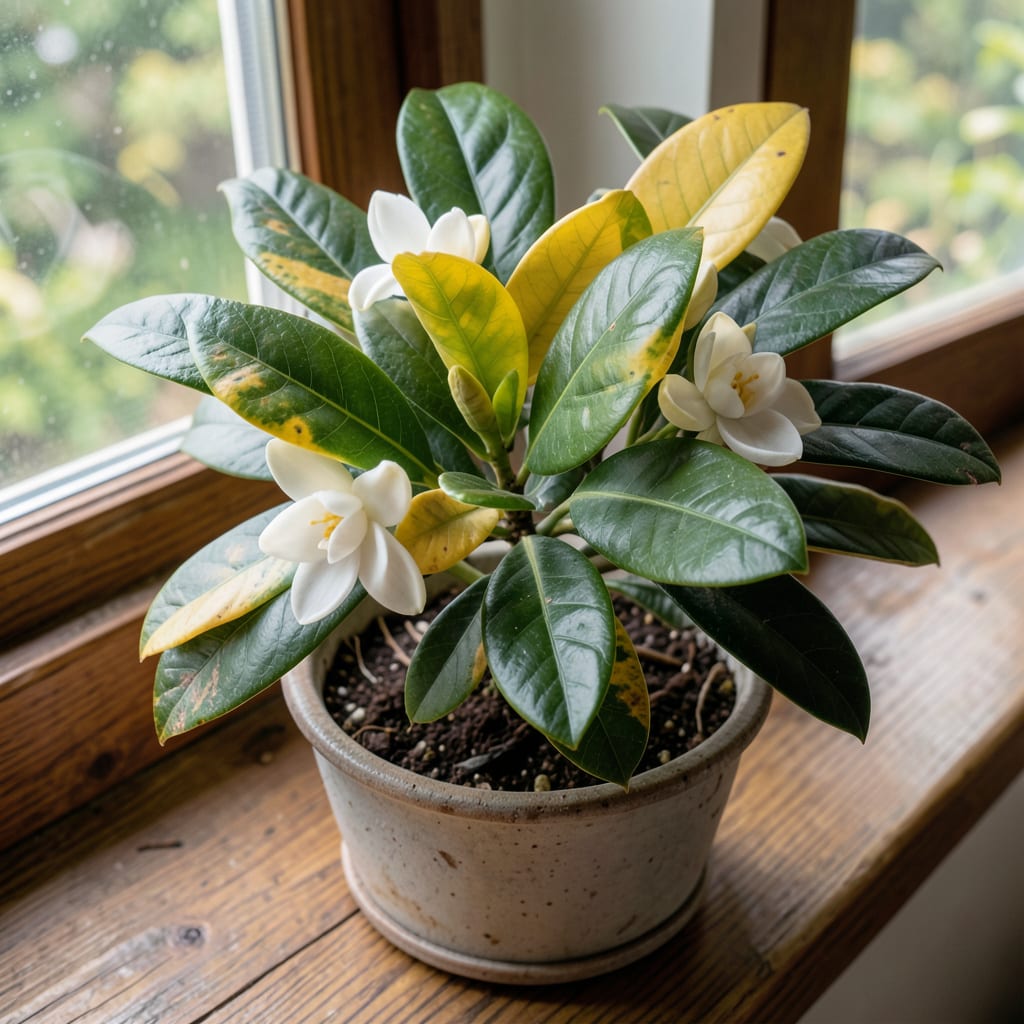
Yellow gardenia leaves had me stumped for months. Turns out, it’s usually one of three culprits: too much water, not enough iron, or a light shortage.
Overwatering is the sneakiest—soggy roots can’t breathe, and leaves turn yellow while veins stay green. Iron deficiency shows up the same way, but the soil might be fine.
Check your watering schedule first. If the soil stays wet for days, that’s your problem. For iron issues, a simple soil test confirms it fast.
Most fixes take 2-3 weeks to show results. The good news? Gardenias bounce back quickly once you correct the issue.
Gardenia leaves turn yellow due to several underlying issues, often tied to environmental stress or care mistakes. Here’s a breakdown of the most common causes:
Yellowing leaves often signal a lack of essential nutrients, particularly iron or magnesium. Gardenias thrive in acidic soil (pH 5.0–6.0). When soil pH rises, iron becomes less available, causing interveinal chlorosis—yellow leaves with green veins. A soil test can confirm deficiencies. Use chelated iron or Epsom salt (for magnesium) to correct the issue.
Excess water suffocates roots, leading to root rot and nutrient uptake failure. Gardenias prefer moist but well-draining soil. Yellow leaves, often accompanied by wilting, indicate overwatering. Check soil moisture before watering—stick your finger 1–2 inches deep; if dry, water; if damp, wait.
Too much direct sunlight can scorch leaves, while insufficient light weakens the plant. Gardenias need bright, indirect light. Extreme temperatures (below 60°F or above 90°F) also stress the plant, disrupting chlorophyll production. Maintain stable conditions to prevent yellowing.
Sap-sucking pests like spider mites or aphids drain nutrients, causing yellow spots or overall discoloration. Inspect leaf undersides for webbing or tiny insects. Treat with neem oil or insecticidal soap to restore plant health.
Revive your gardenia’s vibrant green leaves with these targeted fixes for the most common causes of yellowing:
If the issue is iron or magnesium deficiency (common in alkaline soil), treat with a chelated iron supplement or Epsom salt solution (1 tablespoon per gallon of water) applied to the soil every 2 weeks until leaves regain color. For general nutrient lack, use a slow-release, acid-loving plant fertilizer (like one for azaleas) every 4-6 weeks during growing season.
Prevention tip: 💡 Test soil pH yearly—gardenia thrives in 5.0–6.0 pH. Amend with sulfur or peat moss if needed.
Let the top 1–2 inches of soil dry out between waterings. If root rot is suspected, stop watering immediately, trim black/mushy roots, and repot in fresh, well-draining peat-based mix. Ensure pots have drainage holes!
Prevention tip: 🌡️ Use a moisture meter or the finger test—only water when soil feels dry.
Move potted gardenias to a spot with bright, indirect light (east or west-facing windows are ideal). Outdoors, ensure they get morning sun and afternoon shade. Rotate pots weekly for even exposure.
Prevention tip: ✨ If indoor light is weak, supplement with a grow light for 12–14 hours daily.
For spider mites or aphids, spray leaves with neem oil or insecticidal soap every 5–7 days until pests are gone. Wipe leaves gently with a damp cloth to remove residue.
Prevention tip: 🎯 Inspect leaves weekly (especially undersides) and isolate new plants for 2 weeks before introducing them.
Use a soil test kit from any garden center. Collect soil from 2-3 inches deep, mix with distilled water, and compare the color to the kit’s chart. Ideal pH is 5.0–6.0.
Severely yellow leaves won’t recover, but new growth will be green once the issue is fixed. Remove damaged leaves to redirect energy. Results typically appear in 2-3 weeks.
Water when the top 1-2 inches of soil feel dry. This usually means every 5-7 days in warm weather, less in cooler months. Always use well-draining soil.
If watering isn’t the issue, check for poor drainage, nutrient deficiencies, or pests. Root rot from soggy soil often mimics drought stress symptoms.
