
Beautiful Plants For Your Interior
Beautiful Plants For Your Interior
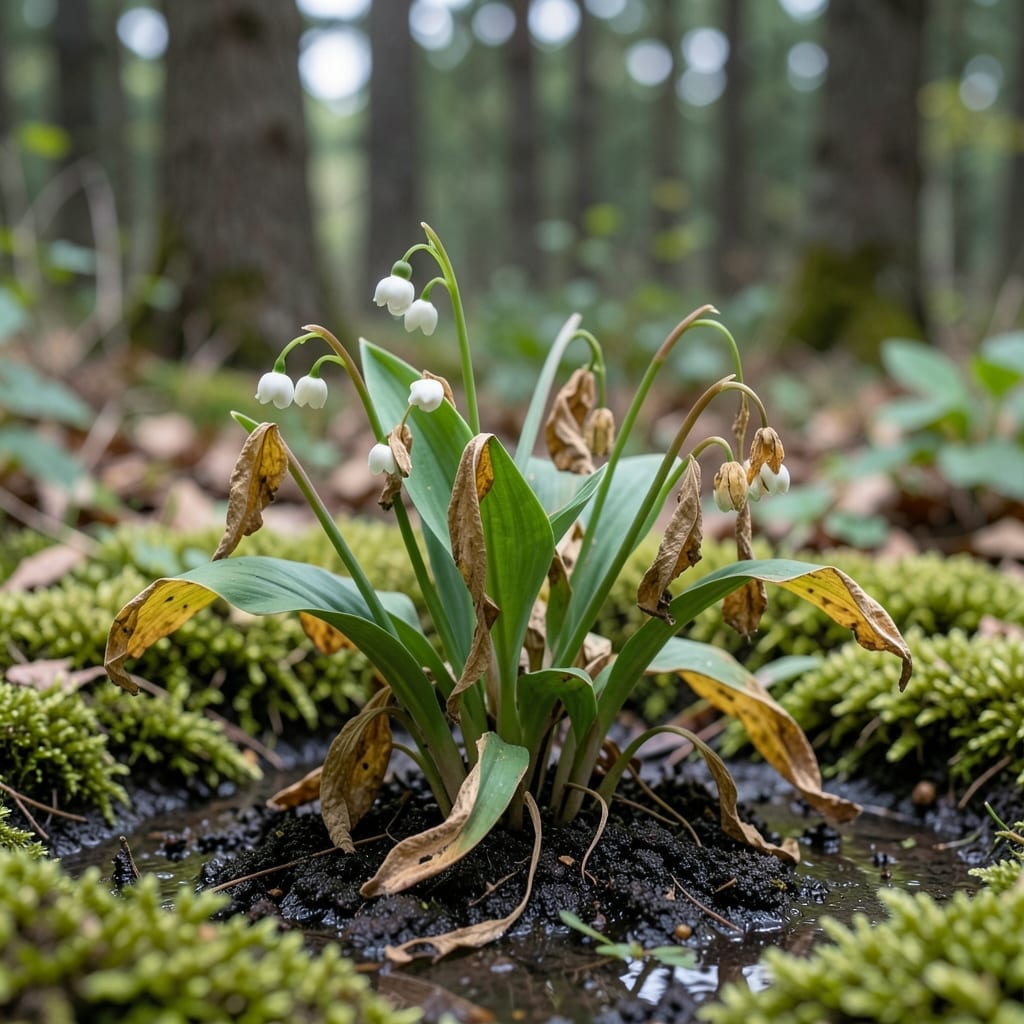
Your lily of the valley isn’t gone yet. I’ve nursed these tough little plants back from the brink more times than I can count—usually after I’ve overwatered them or let them bake in the wrong spot.
The first sign is always the same: yellowing leaves, mushy stems, or a sudden wilt. Most often, it’s too much water or not enough light. Sometimes it’s pests or disease, but those are easier to spot if you know what to look for.
With the right adjustments—better drainage, a shadier spot, or a quick treatment—these plants bounce back fast. They’re stubborn like that. Within 2-3 weeks, you’ll see new growth pushing through.
Don’t dig them up just yet. A little care now can save years of future blooms.
Lily of the valley (Convallaria majalis) can wilt or die for several reasons, often tied to environmental stress or improper care. Understanding these causes helps you prevent future issues and revive struggling plants. Below are the most common culprits.
These plants thrive in moist but well-drained soil. Soggy conditions suffocate roots, leading to rot and death. If your soil retains water or forms puddles, it’s likely the cause. Ensure containers have drainage holes and amend garden beds with organic matter to improve airflow.
Lily of the valley prefers partial to full shade. Direct sunlight scorchers leaves, causing brown tips or complete wilting. If planted in a sunny spot, relocate them to a shadier area or use shade cloth during peak hours.
These perennials are hardy but struggle in extreme heat or freeze-thaw cycles. High temperatures dry out soil quickly, while late frosts can damage new growth. Mulch heavily in winter and water deeply during heatwaves to stabilize conditions.
Overcrowding or wet foliage invites fungal infections like anthracnose or leaf blight. Remove affected leaves immediately, improve air circulation, and avoid overhead watering. Fungicides can help if the problem persists.
Yellowing leaves or stunted growth may signal lack of nutrients, particularly nitrogen or iron. Test your soil and amend with compost or a balanced fertilizer to restore vitality.
If your lily of the valley looks lifeless, don’t lose hope—it can often bounce back with the right care. Below are practical fixes for common issues, along with tips to keep your plants thriving.
Yellowing leaves and mushy stems signal too much water. Fix: Stop watering immediately and let the soil dry out. If the plant is in a pot, ensure it has drainage holes. For garden plants, improve drainage by mixing in compost or sand. Trim any rotten roots with clean scissors before replanting.
Prevention tip: 💡 Water only when the top inch of soil is dry, and always use well-draining soil.
Leggy growth or crispy brown edges mean light issues. Fix: Move potted plants to a spot with bright, indirect light. If they’re in the ground, provide afternoon shade with a sheer curtain or by planting near taller plants. For sun-scorched leaves, trim the damaged foliage to encourage new growth.
Prevention tip: ✨ Lily of the valley thrives in partial shade—aim for 3–4 hours of morning sun.
Slugs, snails, or aphids can weaken the plant. Fix: Handpick visible pests or spray with a mild soap-and-water solution (1 tsp dish soap per quart of water). For slugs, set up beer traps or use diatomaceous earth around the base.
Prevention tip: 🎯 Keep the garden clean of debris and rotate plants yearly to disrupt pest cycles.
Wilted or blackened leaves often result from extreme heat or frost. Fix: Shield plants from harsh conditions—use mulch to insulate roots in winter and provide shade cloth in summer. If frost damage occurs, prune dead foliage and wait for regrowth.
Prevention tip: 🌡️ Plant in a sheltered spot and mulch heavily before the first frost.
Yes! These hardy plants often bounce back with the right care. Focus on fixing the root cause—usually drainage, light, or water issues. With proper adjustments, you should see new growth within 2-3 weeks.
Water when the top 1 inch of soil feels dry. Avoid soggy conditions, as overwatering is a leading cause of decline. They prefer consistently moist but well-draining soil.
Move struggling plants to partial shade immediately. Too much direct sun scorches leaves, while too little causes weak growth. Aim for 3-4 hours of morning sunlight daily.
Yes, trim brown or mushy leaves to redirect energy to healthy growth. Always use clean scissors to prevent spreading disease. Remove only the damaged parts, leaving green stems intact.