
Beautiful Plants For Your Interior
Beautiful Plants For Your Interior
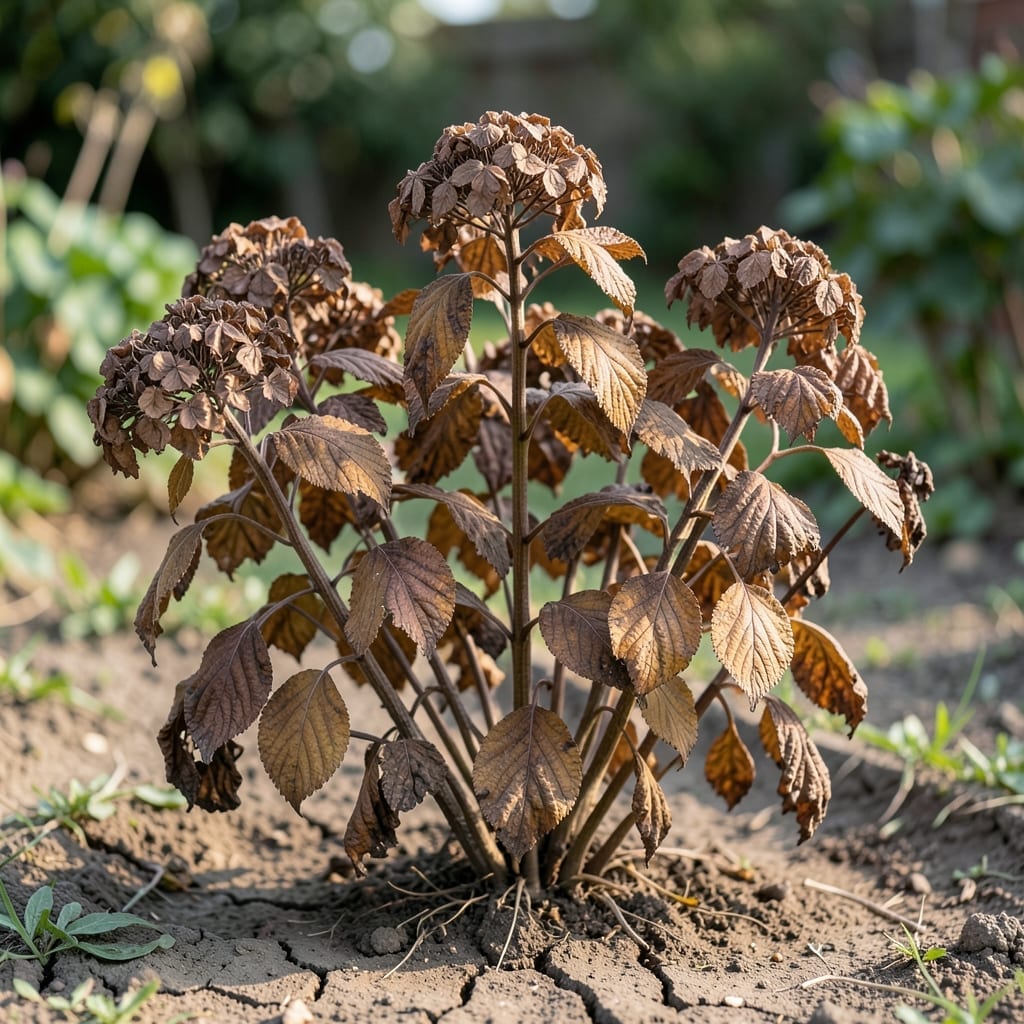
My hydrangea looked like a goner last summer. The leaves crisped, the branches dried, and I was ready to dig it up. But I discovered most “dead” hydrangeas can bounce back with the right approach.
Usually, it’s not disease or pests—it’s water stress or the wrong location. Too much sun, too little water, or heavy clay soil can push these plants to the brink. The good news? They’re tougher than they look.
With some pruning, a deep watering schedule, and a little shade adjustment, you might see new growth within 3-4 weeks. I’ve revived three this way, and each came back stronger.
Even if the top looks gone, check the base for green under the bark. If it’s still alive, there’s hope. Let’s get it growing again.
A dead hydrangea tree often results from environmental stress, poor care, or disease. Below are the most common causes, explained with actionable insights to help you diagnose and prevent them.
Hydrangeas thrive in consistently moist but well-drained soil. Overwatering suffocates roots, leading to rot, while drought stress causes wilting and leaf drop. Check soil moisture 1–2 inches deep—if it’s soggy or bone-dry, adjust your watering schedule. Mulching helps retain moisture without waterlogging.
Most hydrangeas prefer partial shade, especially in hot climates. Full sun can scorch leaves, causing browning and premature death. If your plant is in direct sunlight for 6+ hours daily, relocate it or provide afternoon shade with a canopy or taller plants.
Hydrangeas are sensitive to late frosts or heatwaves. A sudden cold snap can kill new growth, while extreme heat stresses the plant, leading to decline. Protect young plants with frost cloth in spring and ensure adequate hydration during heat spells.
Yellowing leaves or stunted growth often signal a lack of nitrogen, phosphorus, or iron. Test your soil—hydrangeas prefer slightly acidic to neutral pH (5.5–7.0). Amend with compost or a balanced fertilizer (10-10-10) and address pH imbalances with sulfur (to lower) or lime (to raise).
Root rot (from Phytophthora fungi), powdery mildew, or pests like aphids and spider mites can weaken hydrangeas. Treat fungal issues with fungicides and improve airflow. For pests, use neem oil or insecticidal soap. Remove severely infected plants to prevent spread.
Bringing a struggling hydrangea back to life starts with identifying the issue and taking targeted action. Below are practical fixes for common problems, paired with prevention tips to keep your plant thriving long-term.
If the soil is bone-dry and leaves are crispy, give your hydrangea a slow, deep watering at the base until the top 6 inches of soil are moist. Water early in the morning to reduce evaporation. Prevention: Mulch with 2–3 inches of organic matter (like bark or compost) to retain moisture, and water 1–2 times per week during dry spells.
Yellowing leaves and soggy soil signal too much water. Stop watering immediately and let the soil dry out. If the plant is in a pot, ensure it has drainage holes. For in-ground hydrangeas, amend heavy clay soil with compost or sand. Prevention: Use a moisture meter or the finger test (stick your finger 2 inches into the soil—water only if dry).
Brown, scorched edges on leaves often mean too much direct sunlight. Move potted hydrangeas to a spot with dappled shade or morning sun only. For planted hydrangeas, create shade with a temporary screen or plant taller companions nearby. Prevention: Most hydrangeas prefer partial shade (4–6 hours of morning sun). Monitor leaf health and adjust as needed.
Weak growth or pale leaves? Use a balanced, slow-release fertilizer (10-10-10) in early spring. For acid-loving varieties (like bigleaf hydrangeas), opt for a formula with added iron or sulfur. Prevention: Feed lightly every 6–8 weeks during the growing season, and test soil pH annually (aim for 5.5–6.5 for most types).
Inspect leaves for aphids, spider mites, or powdery mildew. Blast pests off with water or apply neem oil or insecticidal soap. For fungal issues, remove affected leaves and improve air circulation. Prevention: Space plants properly, avoid overhead watering, and clean up fallen debris to deter pests and diseases.
💡 Pro Tip: Prune dead or damaged branches in late winter to encourage fresh, healthy growth.
Scratch the bark near the base with your fingernail. If you see green tissue underneath, the plant is still alive. Brown, dry wood means it’s gone. Check multiple stems for accuracy.
Prune in late winter or early spring before new growth starts. Remove only dead or damaged branches first. For healthy stems, wait until after blooming to avoid cutting off flower buds.
Yes, but do it in early spring or fall when the plant is dormant. Dig a wide root ball and replant at the same depth. Water thoroughly and keep the soil moist for 2-3 weeks after moving.
Too much fertilizer can burn roots, causing wilting. Always follow package instructions and water deeply after applying. Use a balanced 10-10-10 formula for best results.