
Beautiful Plants For Your Interior
Beautiful Plants For Your Interior
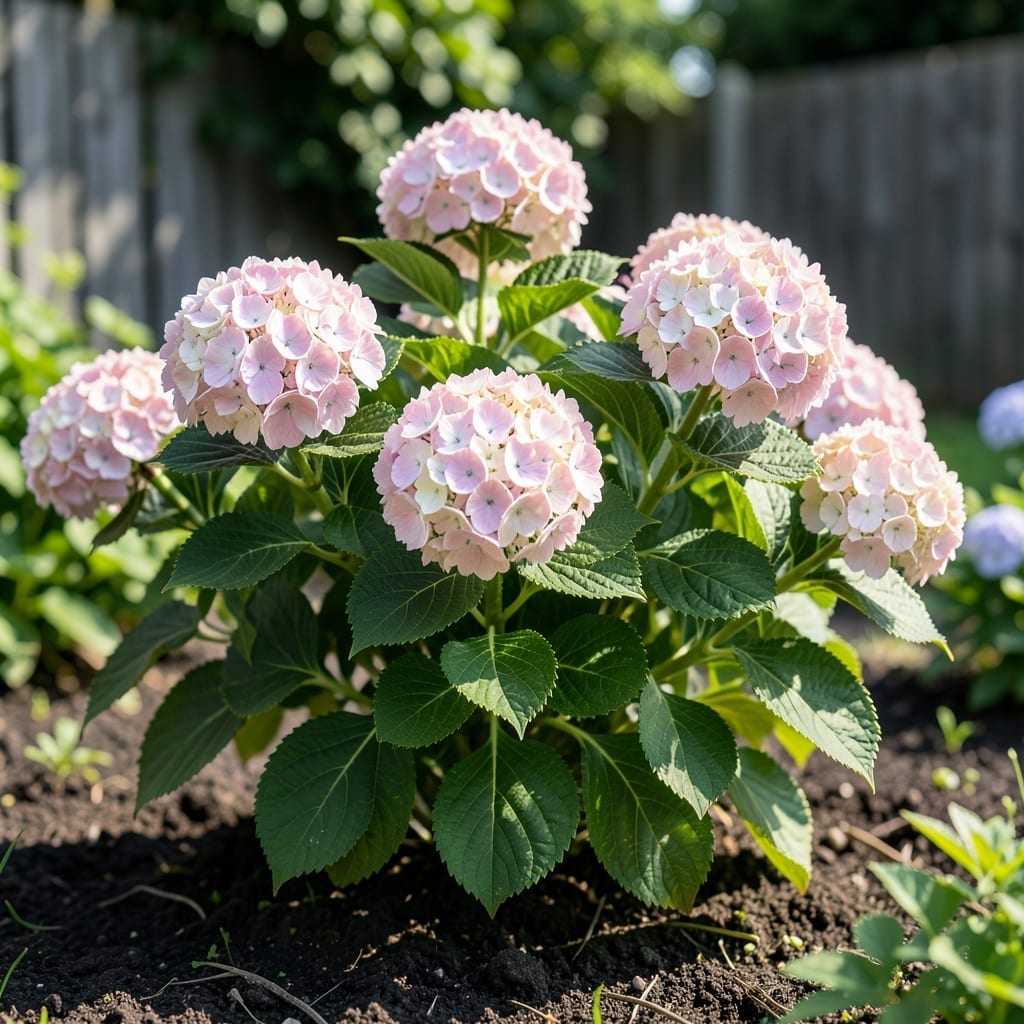
There’s nothing quite like the vibrant blooms of a Hydrangea 🌸 lighting up your garden. But getting those lush flowers depends on one crucial factor: the right balance of sunlight.
Too much sun can scorch the leaves, while too little may leave you with lackluster blooms. I’ve seen gardeners struggle with this exact issue, and the solution is simpler than you think.
Discover how to give your Hydrangeas the ideal light conditions they crave for those stunning, show-stopping flowers you’ve been dreaming of.
 Best Window Placement
If you’ve ever wondered do hydrangeas like sun or shade, the answer depends on the variety. Not all hydrangeas have the same light requirements, and giving them the wrong exposure can lead to poor blooming or stressed plants. I’ve tested different types in my own garden, and the differences are striking.
From bigleaf hydrangeas to panicle hydrangeas, each thrives under specific conditions. Knowing these nuances helps you place them where they’ll flourish with vibrant blooms and healthy foliage.☀️
| Variety | Sunlight Needs | Notes |
|---|---|---|
| Bigleaf Hydrangea | Partial shade | 4-6 hours morning sun, afternoon shade |
| Panicle Hydrangea | Full sun to partial sun | Tolerates 6+ hours of direct sun |
| Oakleaf Hydrangea | Partial shade | Prefers dappled sunlight under trees |
| Smooth Hydrangea | Partial sun | Thrives with 4-6 hours of sun daily |
Bigleaf hydrangeas, like the popular mophead and lacecap varieties, prefer partial shade. They do best with morning sun and afternoon shade, especially in hotter climates. Too much direct sun can scorch their leaves.
Panicle hydrangeas, such as Limelight and Little Lime, are the sun lovers of the group. They can handle full sun in cooler zones but appreciate some shade in intense heat. I’ve seen them thrive even in 6-8 hours of sunlight.
Oakleaf hydrangeas are the most shade-tolerant. They naturally grow under tall trees in the wild, so they’re perfect for woodland gardens or shady spots. Their white blooms and red fall foliage are stunning in dappled light.
Smooth hydrangeas, like Annabelle, are adaptable. They do well in partial sun but can tolerate more shade than panicle types. In my experience, they bloom best with at least 4-6 hours of sunlight.
If you’re unsure about your hydrangea’s variety, observe its bloom shape and leaf structure. Bigleaf hydrangeas have large, glossy leaves, while oakleaf types have lobed leaves resembling oak trees. This can help you determine its light needs.
For gardeners in hot climates, even sun-loving hydrangeas benefit from afternoon shade. I always recommend mulching around the base to retain moisture, especially in sunnier spots. This keeps roots cool and prevents stress.
Remember, soil moisture plays a big role too. Hydrangeas in sunnier locations will need more frequent watering to keep the soil consistently moist. A drip irrigation system can be a game-changer for these plants.🌿
Even with the best intentions, it’s easy to misjudge your hydrangea’s light needs. I’ve seen sunburned leaves and weak blooms signal that something’s off. Recognizing these signs early can save your plant from long-term stress.
Look for brown crispy edges on leaves, which often mean too much sun. On the flip side, leggy growth with few blooms usually indicates not enough light. These visual cues help you adjust care quickly.☀️
⚠️ Warning: Yellowing leaves can mean sun scorch or poor drainage. Check soil moisture and light exposure to pinpoint the issue.
If your hydrangea has smaller-than-usual blooms, it might need more sunlight. I’ve found that moving plants to a brighter spot often improves flower size within one growing season.
Wilting in afternoon heat is another red flag. This often happens when hydrangeas in full sun aren’t getting enough water. A thick layer of mulch can help retain moisture and protect roots.
For shade-loving varieties like oakleaf hydrangeas, pale foliage can indicate they’re getting too much sun. These plants thrive in dappled light and may struggle in open, sunny areas.
Don’t forget to check the bloom color. Some hydrangeas change color based on soil pH, but faded blooms can also signal insufficient light. I always recommend noting these changes in a garden journal.
Adjusting light exposure doesn’t have to be drastic. Sometimes, simply shifting a potted hydrangea a few feet or adding a shade cloth can make a big difference in its health and flowering.🌿