
Beautiful Plants For Your Interior
Beautiful Plants For Your Interior
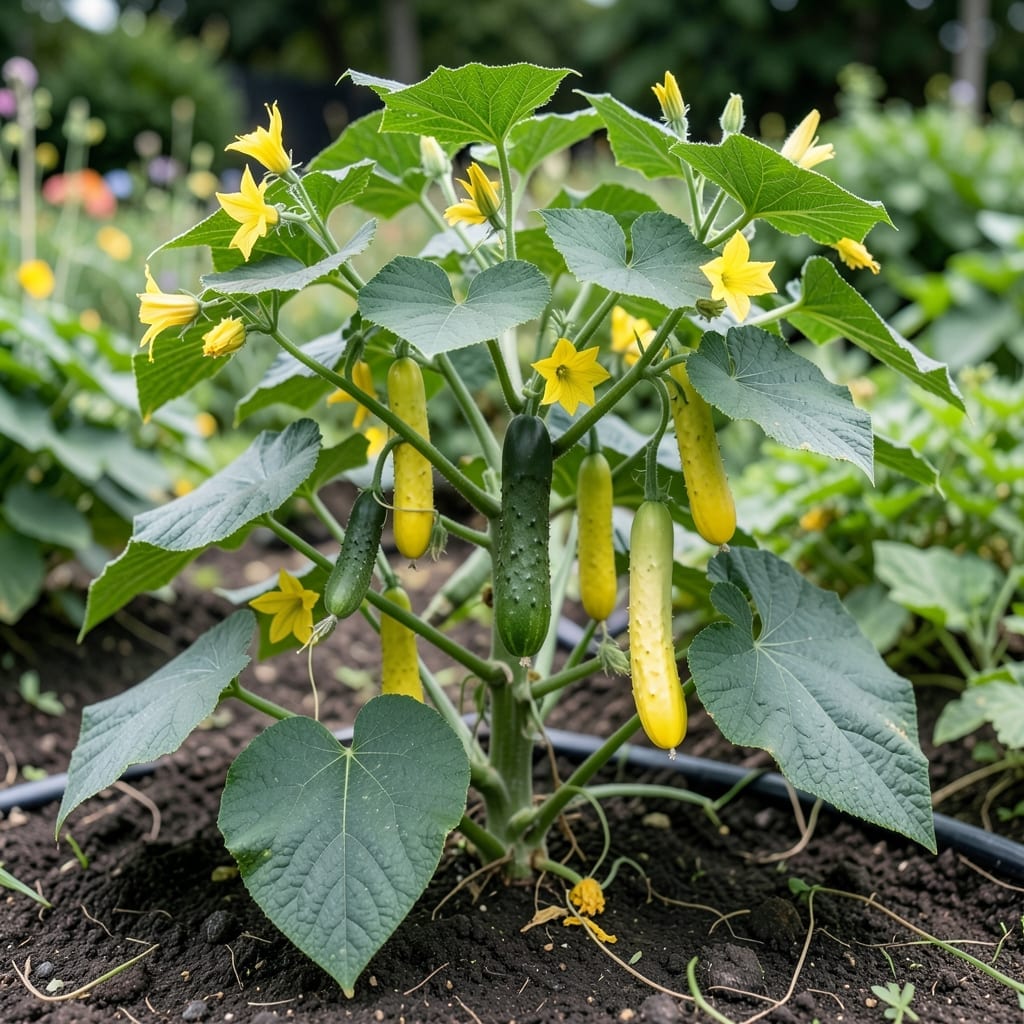
Yellow cucumbers caught me off guard last summer. Turns out, it’s rarely just one issue—could be hungry plants, thirsty roots, or even uninvited pests throwing a party on your vines.
We’ll break down the clues your plants are giving you and fix what’s actually wrong. The solution is usually simpler than you think, and your next harvest can still be crisp and green.
📚 In This Guide
Here’s how I diagnose and fix yellow cucumbers in my garden every time.
Start by examining the entire cucumber vine, not just the yellow fruit. Check for pale leaves, stunted growth, or spots on the foliage. These symptoms often appear alongside yellowing cucumbers and point to the root cause.
Note the fruit’s texture—soft or mushy yellowing usually indicates over-ripeness or disease, while firm yellow cucumbers often signal a nutrient deficiency or environmental stress. I always check the underside of leaves for pests like spider mites or aphids.
Inconsistent moisture is a primary culprit for yellow cucumbers. Cucumbers need 1-2 inches of water per week, delivered consistently to the root zone. Overwatering or poor drainage can lead to root rot, which manifests as yellowing fruit and leaves.
I water deeply in the morning so the soil stays evenly moist but never waterlogged. If your soil is heavy clay, amending with compost improves drainage. Check that water reaches 6-8 inches deep—this encourages deep rooting and prevents shallow, stressed roots.
Nitrogen deficiency often causes yellowing starting from the bottom leaves and moving upward. However, too much nitrogen produces lush leaves but few cucumbers. I apply a balanced 10-10-10 fertilizer at planting, then switch to a low-nitrogen formula when fruiting begins.
If the yellowing appears between leaf veins, suspect magnesium deficiency. A foliar spray of Epsom salt (1 tablespoon per gallon of water) can correct this quickly. Always water the soil before applying foliar treatments to prevent leaf burn.
Cucumber beetles, aphids, and spider mites can stress plants enough to cause yellow fruit. I inspect the vines daily, especially the undersides of leaves and near fruit. A strong blast of water often dislodges aphids, while neem oil treats broader infestations.
For fungal diseases like powdery mildew, remove affected leaves immediately and improve air circulation around plants. Space vines 36-48 inches apart and avoid overhead watering. Copper fungicide sprays can prevent spread if applied at the first sign of trouble.
Cucumbers require full sun (at least 6-8 hours daily) and thrive in temperatures between 70-90°F. Yellow fruit often appears on plants exposed to prolonged temperatures below 50°F or above 95°F.
If your plants are in containers, move them to a sunnier spot or use shade cloth during peak afternoon heat. In cooler climates, black plastic mulch warms the soil, while row covers protect from early season chills. I’ve found that evening temperatures below 60°F significantly slow growth and can trigger yellowing.
These practical insights will help you diagnose and treat yellow cucumbers more effectively.
Assessment Insight: In Step 1, pay close attention to the fruit’s texture as it tells you a lot. Soft or mushy yellowing usually means over-ripeness or disease, while firm yellow cucumbers typically point to nutrient deficiencies or environmental stress. I always start here before jumping to solutions.
Watering Wisdom: For Step 2, remember cucumbers need that 1-2 inches of water per week consistently. The morning watering I mentioned ensures the soil stays evenly moist but never waterlogged. Check that moisture reaches 6-8 inches deep—this is crucial for healthy root development.
Temperature Attention: Step 5’s temperature range of 70-90°F is ideal. I’ve noticed yellow fruit often appears when plants are exposed to prolonged temperatures below 50°F or above 95°F. Evening temperatures below 60°F can also slow growth significantly.
Spacing Strategy: In Step 4, spacing vines 36-48 inches apart isn’t just about room to grow—it’s critical for air circulation. This simple step helps prevent many fungal diseases that can cause yellowing.
Cucumber yellowing is often caused by overripening, nutrient deficiencies (like nitrogen or potassium), or diseases such as cucumber mosaic virus. Check for other symptoms like spots or wilting to pinpoint the issue.
Yes, if it’s just overripe! However, if the yellowing is due to disease or rot, it’s best to discard it. Taste a small piece first—bitter or off flavors mean it’s not safe to eat.
Ensure consistent watering, balanced fertilization, and proper sunlight. Remove diseased plants immediately to prevent spread, and use row covers to protect from pests carrying viruses.
Lemon cucumbers are naturally yellow when ripe and sweet. Disease or stress-related yellowing often comes with other symptoms like spots or soft texture. Check the variety you planted!
Remove infected plants to stop the spread. Use fungicides or neem oil for fungal issues, and practice crop rotation. For viral diseases, prevention (like pest control) is key—treatment options are limited.