
Beautiful Plants For Your Interior
Beautiful Plants For Your Interior
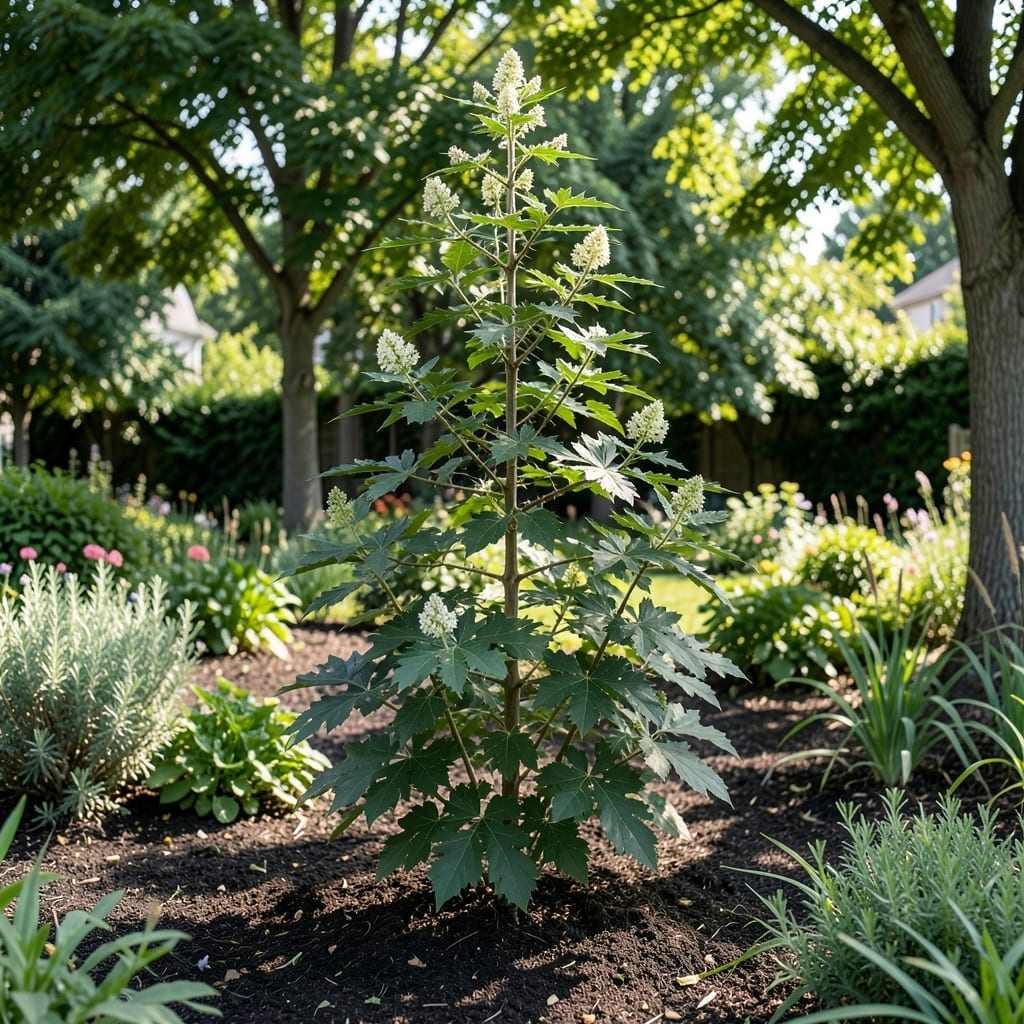
This dramatic plant commands attention with its spiny stems and lush foliage. I first encountered it while exploring a botanical garden, and its architectural form immediately caught my eye. Despite its intimidating appearance, it’s surprisingly low-maintenance.
With the right light and well-draining soil, you’ll watch it grow into a striking focal point. It thrives on a bit of neglect and rewards you with tropical vibes that transform any space.
📚 In This Guide
Here’s the method I rely on to keep this striking succulent thriving with minimal effort.
Place your plant in a location with bright, indirect light for 6-8 hours daily. Direct afternoon sun can scorch the thick leaves, while too little light causes etiolated growth—you’ll notice pale, stretched stems reaching awkwardly toward the light source.
An east-facing window often provides the perfect balance, but I’ve had success with south-facing exposures when filtered through a sheer curtain. Rotate the container quarter-turn weekly to ensure even growth on all sides.
Water only when the top 2-3 inches of soil feels completely dry. This species stores moisture in its thick canes, making it highly susceptible to root rot. I check by inserting my finger into the soil—if it comes out clean, it’s time to water deeply until it drains from the bottom.
During active growth in spring and summer, this typically means watering every 2-3 weeks. In winter dormancy, you might water just once a month. Always use room temperature water to avoid shocking the roots.
Use a well-draining cactus or succulent mix with 50% perlite or coarse sand added. The container must have drainage holes—this isn’t negotiable. I prefer unglazed terra cotta pots because they allow excess moisture to evaporate through the walls.
Repot every 2-3 years or when roots emerge from the drainage holes. Choose a container only 1-2 inches larger in diameter than the current one—too much space holds excess moisture that can lead to root problems.
Keep your plant in temperatures between 65-85°F during the growing season. It can tolerate brief dips to 50°F, but prolonged exposure below this will damage the plant. I bring mine indoors when nighttime temperatures consistently drop below 55°F.
Average household humidity of 40-50% works perfectly. If your air is particularly dry in winter, consider placing the pot on a tray of pebbles with water, but ensure the pot itself never sits in water.
Take cuttings in spring or early summer using clean, sharp shears. Select a healthy cane and cut a 4-6 inch section just below a leaf node. Allow the cutting to callus over for 3-5 days in a warm, dry location—you’ll know it’s ready when the cut end looks dry and slightly hardened.
Plant the callused end in moist (not wet) propagation mix. Place in bright, indirect light and maintain 70-75°F soil temperature. Roots typically form in 4-6 weeks, at which point you can treat it as a mature plant.
Caring for devil’s walking cane is simple once you understand its needs—here’s what I wish I knew sooner.
The Light Factor: That 6-8 hours of bright, indirect light daily isn’t just a suggestion. I learned the hard way that insufficient light causes etiolated growth—those pale, stretched stems are a cry for help. A sheer curtain over a south-facing window works wonders, and don’t forget that quarter-turn weekly for even growth.
Watering Wisdom: The 2-3 inches dry soil rule is your best defense against root rot. This succulent stores moisture in its thick canes, so overwatering is the quickest way to kill it. I check with my finger—if it comes out clean, it’s time to water deeply until it drains from the bottom. In winter, that once-a-month schedule is often enough.
Soil and Container: That 50% perlite or coarse sand mix isn’t optional—it’s essential for drainage. And those drainage holes? Non-negotiable. I prefer unglazed terra cotta pots because they allow excess moisture to evaporate through the walls, giving you a little extra insurance against overwatering.
Temperature Matters: Keep your plant between 65-85°F during growing season. It can tolerate brief dips to 50°F, but when nighttime temps consistently drop below 55°F, it’s time to bring it indoors. I’ve lost a few plants by pushing this boundary—don’t make my mistake.
Yes, this succulent is toxic if ingested. Keep it away from pets and children, as it can cause vomiting, diarrhea, or skin irritation. Wear gloves when handling to avoid sap contact.
Water sparingly—only when the soil is completely dry. Overwatering leads to root rot. In winter, reduce watering to once a month or less.
Absolutely! It thrives indoors with bright, indirect light. A south-facing window is ideal. Rotate the pot occasionally for even growth.
Yellowing leaves often signal overwatering or poor drainage. Check the roots for rot and ensure the pot has drainage holes. Adjust your watering schedule.
Try non-toxic, low-maintenance options like Haworthia or Echeveria. Both are pet-friendly and require similar care, making them great substitutes.