
Beautiful Plants For Your Interior
Beautiful Plants For Your Interior
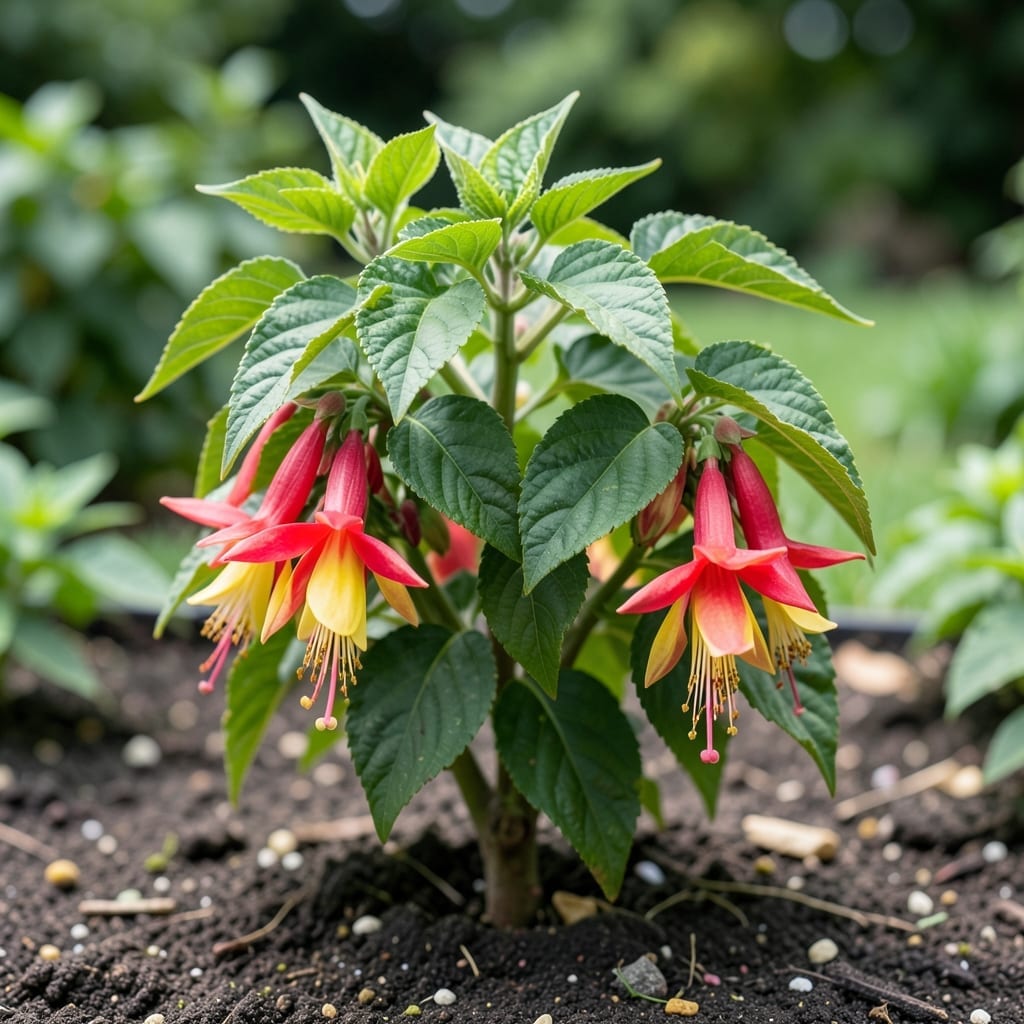
Fuchsia and yellow plants create a garden that pops with energy. I first tried this combo last summer, and the contrast was breathtaking—like nature’s own fireworks display.
These colors complement each other perfectly, with fuchsia’s deep tones making yellow blooms appear brighter. The pairing works in borders, containers, or as focal points, and it attracts pollinators like crazy.
📚 In This Guide
Here’s the method I use to create bold, eye-catching garden combinations with these vivid hues.
Begin with statement plants that naturally feature both colors. I like to start with fuchsia-flowered salvias and pair them with golden variegated hostas for immediate impact. These create a visual foundation that ties the color scheme together from the start.
Look for plants where the fuchsia appears in flowers and the yellow in foliage—this creates natural harmony. Petunias in deep magenta shades work beautifully alongside chartreuse sweet potato vines. The contrast is striking yet balanced when both colors appear on the same plant or in close proximity.
Add depth by incorporating plants that bridge the two hues. Purple-leafed heucheras act as perfect transition elements between fuchsia and yellow, while orange marigolds create a warm connection to the yellow tones. This prevents the combination from looking too stark.
I always include at least one plant with silver or white foliage to lighten the composition. Lamb’s ear or dusty miller provide the perfect foil for intense fuchsia and yellow, preventing visual fatigue. The metallic tones also make both colors appear more vibrant through contrast.
Distribute the colors in a 60-30-10 ratio for best results. I typically use fuchsia as the dominant color (60%), yellow as the secondary (30%), and the bridging colors (10%). This creates visual cohesion while maintaining the bold contrast.
Place the most intense fuchsia elements at eye level where they’ll be most visible. Use yellow in masses at the front of borders or in containers where it can catch the light. The bridging colors should be scattered throughout to create flow between the two main hues.
The combination works best when you mix different textures. I pair the bold, trumpet-shaped fuchsia flowers of angel’s trumpet with the fine, needle-like foliage of golden creeping jenny. This textural contrast makes both colors stand out more dramatically.
Consider leaf shapes as well—broad, flat hosta leaves next to the delicate, fern-like foliage of fuchsia plants create interesting shadows and light play. The variation in form keeps the eye moving through the composition, discovering new color interactions at every turn.
These design principles will transform your garden into a vibrant masterpiece.
Anchor Plant Strategy: In Step 1, always begin with plants that naturally feature both colors like fuchsia-flowered salvias paired with golden variegated hostas. This creates immediate visual harmony and establishes your color foundation before adding other elements. The contrast between bold flowers and subtle foliage makes both colors pop.
Color Bridge Technique: As mentioned in Step 2, don’t skip the transition elements. Purple-leafed heucheras work beautifully to soften the contrast between fuchsia and yellow, while orange marigolds create a warm bridge to the yellow tones. Without these, your composition may look too jarring rather than intentionally bold.
Distribution Wisdom: The 60-30-10 ratio in Step 3 isn’t arbitrary—it’s the golden rule for balanced color schemes. Using fuchsia as your dominant (60%) creates the wow factor, while yellow at 30% provides the perfect complement. The remaining 10% for bridging colors prevents visual fatigue and keeps the eye moving through your garden.
Texture Matters: Step 4’s advice about textural contrast is non-negotiable. Pairing bold, trumpet-shaped fuchsia flowers with fine, needle-like foliage creates depth that flat color alone can’t achieve. This interplay of form and color makes your design look professionally curated rather than accidental.
Opt for complementary colors like purple or white to balance the vibrancy. Try pairing with lavender, white roses, or silver foliage plants for a striking contrast.
Spring is ideal for planting most flowers. Fuchsia thrives in cooler temperatures, while yellow blooms like marigolds or daffodils prefer warmer seasons. Check your local climate for timing!
Absolutely! Use fuchsia in containers and yellow flowers as borders or focal points. This combo works beautifully in compact spaces for a bold, cheerful look.
Use green foliage or neutral tones as separators. Balance the colors by planting them in clusters rather than mixing them randomly.