
Beautiful Plants For Your Interior
Beautiful Plants For Your Interior
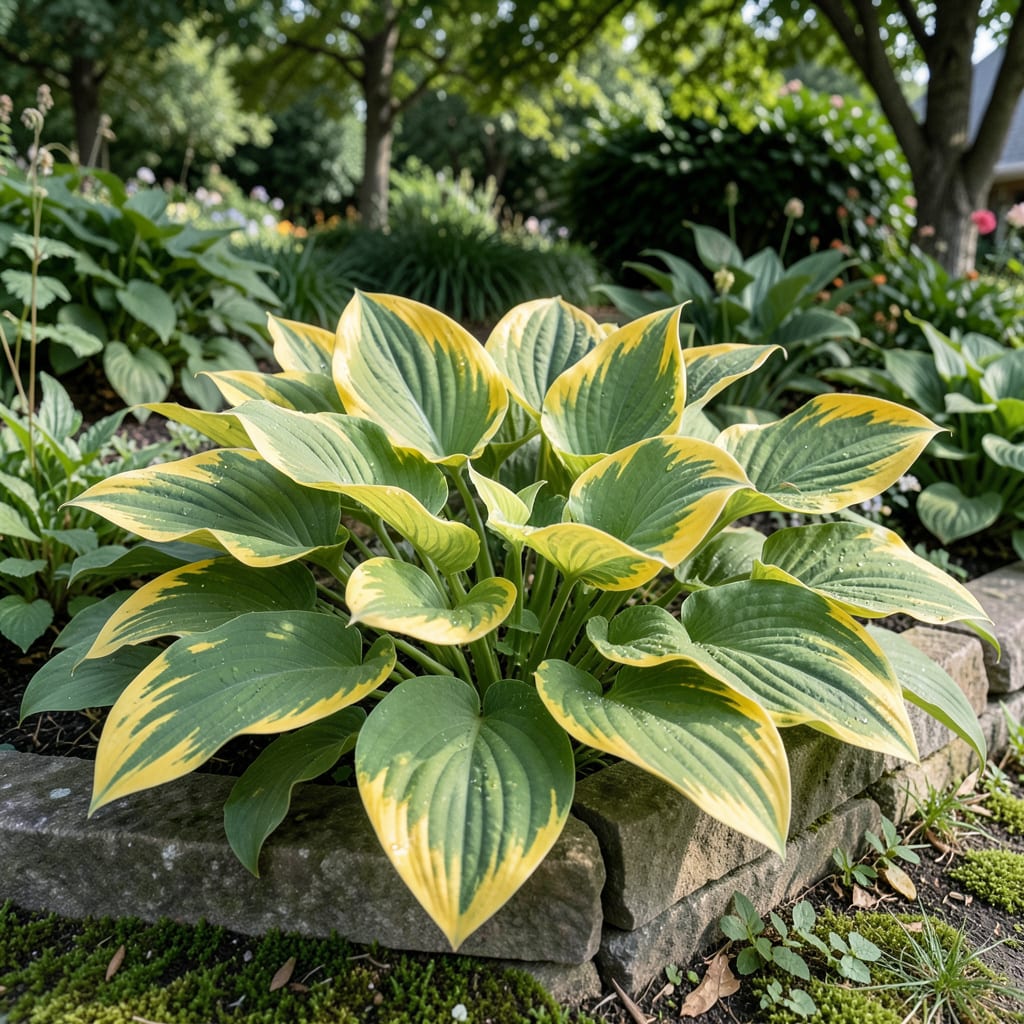
Yellow hosta leaves always feel like a gut punch after all that care. I’ve been there—watching my favorite shade plants fade from lush green to sad yellow, wondering where I went wrong.
Turns out, it’s usually one of three culprits: too much water, hungry soil, or sneaky pests. The fix starts with checking what’s actually happening below the surface before assuming the worst.
Once you pinpoint the issue, the solution is often simpler than you’d think. A soil test, a little fertilizer, or adjusting your watering routine can bring those leaves back to their vibrant green in no time.
No green thumb required—just a little detective work and patience. Your hostas will thank you.
Hostas are hardy, but their leaves can turn yellow when their growing conditions are disrupted. Below are the most common causes, explained with actionable insights to help you diagnose and fix the issue.
Yellowing often signals a lack of essential nutrients, particularly nitrogen, iron, or magnesium. Nitrogen deficiency typically affects older leaves first, causing uniform yellowing. Iron deficiency, however, leads to interveinal chlorosis—yellowing between leaf veins while veins stay green. Magnesium deficiency shows as yellow patches with green veins, often starting at leaf edges. A soil test can confirm which nutrient is lacking, allowing you to amend the soil with targeted fertilizers (e.g., iron chelates for iron deficiency).
Both overwatering and underwatering stress hostas, leading to yellow leaves. Overwatering suffocates roots, reducing their ability to absorb nutrients, while underwatering causes dehydration and nutrient transport issues. Check soil moisture 1–2 inches deep; it should feel slightly damp but not soggy. Adjust watering frequency based on weather and soil drainage.
Hostas thrive in slightly acidic to neutral soil (pH 6.0–7.0). If the pH is too high (alkaline), nutrients like iron and manganese become less available, even if present in the soil. A pH test kit can reveal imbalances. To lower pH, mix in sulfur or peat moss; to raise it, add lime. Re-test soil after amending to ensure the pH is within the ideal range.
Pathogens like Phytophthora or Fusarium can cause yellowing, often accompanied by brown spots or wilting. These thrive in poorly drained, waterlogged soil. Remove infected leaves immediately to prevent spread, and improve drainage with organic matter like compost. Fungicides (e.g., copper-based) may be necessary for severe cases.
Sap-sucking pests such as aphids, spider mites, or slugs weaken hostas by draining nutrients, leading to yellow, stunted growth. Inspect leaf undersides for pests or their residue (e.g., sticky honeydew). Treat with neem oil or insecticidal soap, and handpick slugs at dusk or dawn.
Here’s how to tackle each common cause of yellowing hosta leaves with simple, actionable fixes and prevention tips to keep your plants thriving.
If your hostas lack nitrogen, iron, or magnesium, a balanced fertilizer can work wonders. Use a slow-release, 10-10-10 fertilizer in early spring, or opt for a liquid feed every 4–6 weeks during the growing season. For iron deficiency (yellow leaves with green veins), apply chelated iron according to package instructions.
Prevention tip: 💡 Test your soil annually and amend with compost to maintain nutrient levels naturally.
Hostas love moisture but hate soggy roots. If overwatering is the culprit, reduce watering frequency and ensure the soil drains well. For poorly drained areas, mix in organic matter like peat moss or compost to improve texture. Water deeply once a week (more in extreme heat) rather than shallow daily watering.
Prevention tip: 🌡️ Use a moisture meter to check soil dampness—water only when the top inch feels dry.
Hostas prefer partial to full shade. If leaves are scorched or yellowing from excessive sun, relocate potted hostas to a shadier spot or create shade with a garden umbrella or taller plants. For in-ground hostas, consider planting shade-tolerant companions like ferns to filter light.
Prevention tip: ✨ Choose hosta varieties bred for sun tolerance (e.g., ‘Sun Power’ or ‘Guacamole’) if your garden gets more light.
Slugs and snails are common pests that damage hosta leaves, leading to yellowing. Handpick them at dusk or use beer traps (bury a shallow dish filled with beer). For a chemical-free barrier, sprinkle diatomaceous earth around plants. For spider mites, spray leaves with neem oil or insecticidal soap.
Prevention tip: 🎯 Encourage natural predators like birds and ground beetles by adding a birdbath or mulching with organic material.
Fungal diseases like anthracnose or root rot thrive in damp, crowded conditions. Remove and destroy affected leaves to prevent spread. Thin out dense plantings to improve airflow, and avoid overhead watering. Apply a copper-based fungicide if the problem persists.
Prevention tip: 💡 Space hostas 18–24 inches apart and water at the base to keep foliage dry.
Yes, hostas prefer shade and can develop yellow or scorched leaves with too much direct sunlight. Move them to a shadier spot or provide filtered light with taller plants.
Check the soil 1-2 inches deep—if it feels soggy, you’re likely overwatering. Hostas need moist but well-draining soil. Reduce watering and improve drainage with compost.
This is classic iron deficiency. Use chelated iron or amend soil with sulfur to lower pH and improve iron availability. A soil test can confirm.
Unfortunately, once leaves turn yellow, they won’t recover. Focus on fixing the underlying issue to prevent new leaves from yellowing. Remove damaged foliage to redirect energy.
