
Beautiful Plants For Your Interior
Beautiful Plants For Your Interior
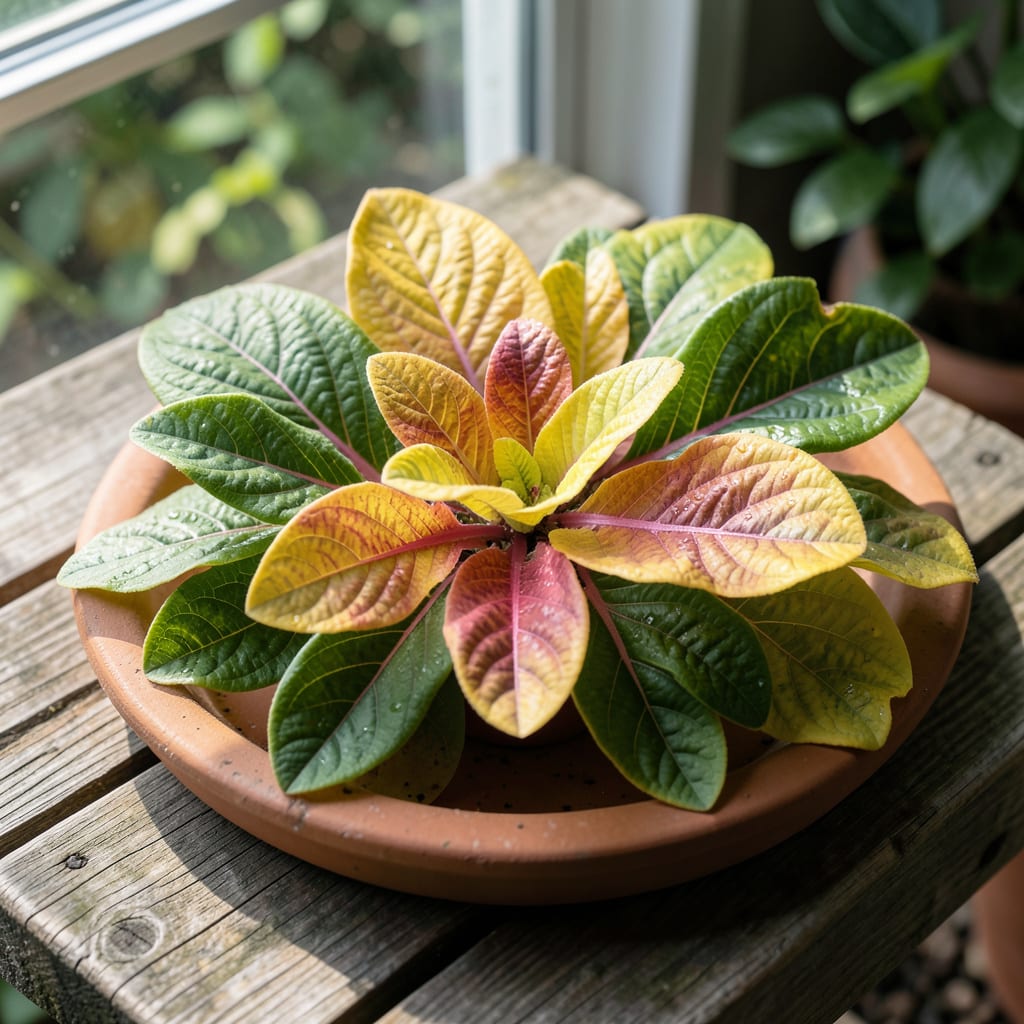
Yellow leaves on your fuchsia aren’t a death sentence. I’ve saved dozens of plants from this exact issue by catching it early and addressing the root cause.
Most yellowing comes from 3 common culprits: too much water, not enough nutrients, or uninvited pests. The fix is usually simpler than you think—just requires observing your plant’s specific symptoms.
With a few adjustments to your care routine, you’ll see new vibrant green growth within 2-3 weeks. No fancy equipment or expensive treatments needed.
This works for hanging baskets, container plants, or garden fuchsias. Let’s get your plant back to its best.
Fuchsia leaves turning yellow often signal underlying issues that disrupt their vibrant health. Below are the most common causes, explained with actionable insights.
Yellow leaves, especially on older foliage, may indicate a nitrogen deficiency. Nitrogen is vital for chlorophyll production, and its absence slows growth and causes uniform yellowing. A magnesium deficiency can also trigger yellowing between leaf veins, as this nutrient is central to photosynthesis. Test your soil and amend it with a balanced fertilizer or Epsom salts for magnesium.
Fuchsias thrive in moderate temperatures (60–75°F). Exposure to extreme heat or cold disrupts their metabolic processes, leading to yellowing. Similarly, drafts or sudden temperature swings can shock the plant. Move potted fuchsias indoors during temperature extremes and ensure they’re placed in stable microclimates.
Root rot from overwatering or poorly draining soil suffocates the roots, preventing nutrient uptake. Yellowing leaves often appear droopy or mushy. Check the soil moisture before watering—let the top inch dry out. Use well-draining pots and soil mixes with perlite or vermiculite to improve aeration.
Spider mites, aphids, or whiteflies sap the plant’s juices, weakening it and causing yellow spots or mottling. Inspect the undersides of leaves for pests or sticky residue (honeydew). Treat infestations with insecticidal soap or neem oil, and isolate affected plants to prevent spread.
Too much direct sunlight can scorch fuchsia leaves, turning them yellow or brown. Conversely, insufficient light leads to pale, yellowish growth as photosynthesis falters. Fuchsias prefer bright, indirect light. Adjust their placement to a east-facing window or under filtered shade outdoors.
Yellowing leaves on your fuchsia can often be reversed with the right care. Below are targeted solutions for the most common causes, along with prevention tips to keep your plant thriving.
Fix: Let the soil dry slightly between waterings. Ensure your pot has drainage holes, and use a well-draining potting mix. If root rot is suspected, trim affected roots and repot in fresh soil.
Prevention: Water only when the top inch of soil feels dry. Elevate pots to avoid waterlogging. 💡 Pro tip: Use a moisture meter to avoid guesswork.
Fix: Move your fuchsia to a spot with bright, indirect light (e.g., east-facing window). If leaves scorch under direct sun, provide afternoon shade.
Prevention: Rotate the plant weekly for even light exposure. Avoid dark corners or harsh midday sun.
Fix: Feed with a balanced, water-soluble fertilizer (10-10-10) every 2–4 weeks during growing season. For iron deficiency (yellowing between veins), use chelated iron.
Prevention: Refresh soil annually and avoid over-fertilizing, which can burn roots. ✨ Pro tip: Yellow lower leaves often signal nitrogen deficiency—adjust your fertilizer accordingly.
Fix: Wipe leaves with soapy water to remove aphids or spider mites. For severe cases, use neem oil or insecticidal soap. Isolate affected plants to prevent spread.
Prevention: Inspect leaves regularly (especially undersides) and maintain good airflow around the plant.
Fix: Move fuchsias indoors if temperatures drop below 50°F (10°C) or rise above 85°F (29°C). Avoid drafts from vents or doors.
Prevention: Keep plants in a stable environment. Use a thermometer to monitor conditions near the plant.
With these adjustments, your fuchsia should regain its vibrant green foliage. Consistency in care is key—observe your plant’s response and tweak as needed!
Water when the top 1 inch of soil feels dry. Typically, this means watering every 3-5 days in warm weather. Always check moisture first to avoid overwatering.
No, once leaves turn yellow, they won’t regain their green color. Focus on fixing the underlying issue to prevent new leaves from yellowing. Remove damaged leaves to redirect energy.
Use a balanced, water-soluble fertilizer like 10-10-10 or 20-20-20. Apply every 2-4 weeks during the growing season. For magnesium issues, add Epsom salts.
Yes, remove yellow leaves with clean scissors to improve appearance and prevent pest attraction. This also helps the plant focus on healthy growth. Always sanitize tools between cuts.
