
Beautiful Plants For Your Interior
Beautiful Plants For Your Interior
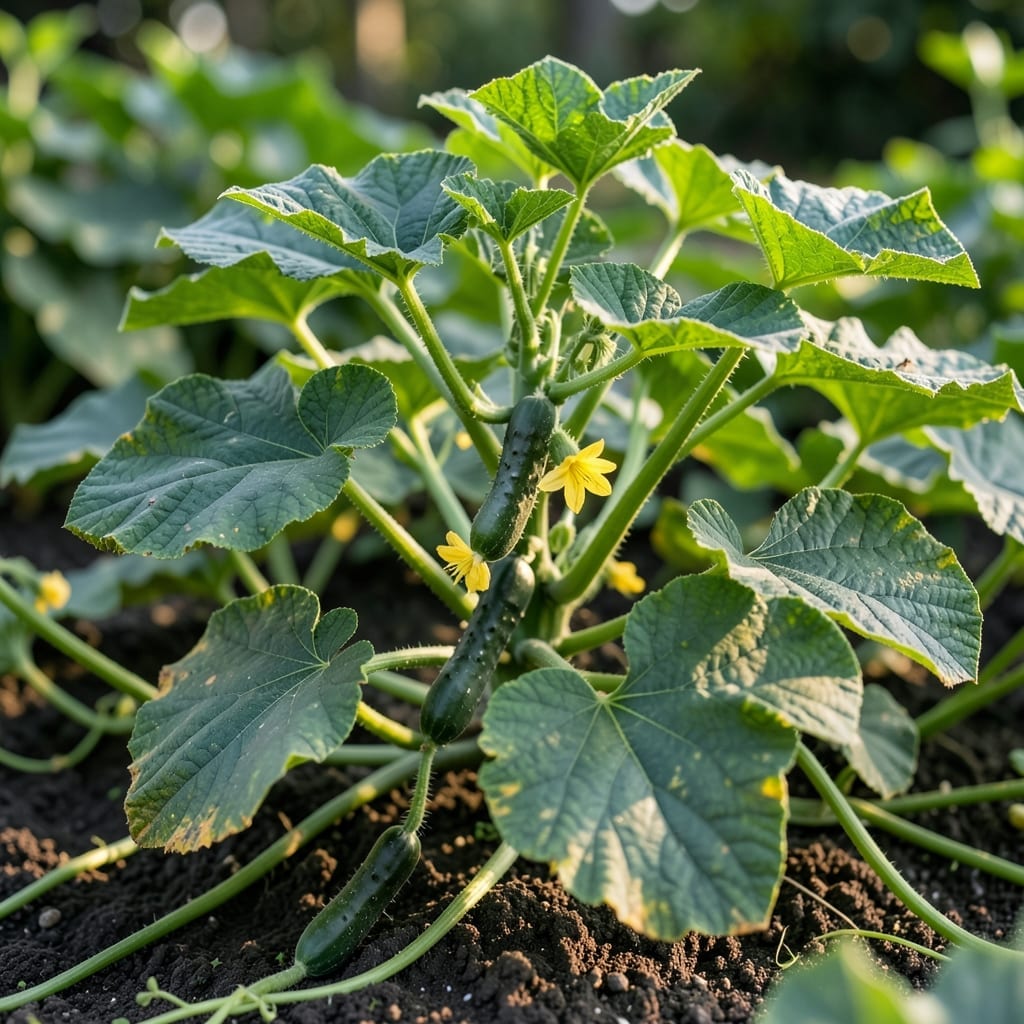
Yellow leaves on your cucumber plants aren’t just unsightly—they’re a distress signal. I’ve seen entire vines turn from vibrant green to sickly yellow overnight, and it’s always a race to figure out why before the whole crop suffers.
Between you and me, it’s rarely just one issue. Overwatering, nutrient shortages, or sneaky pests all show up as those same yellow flags. The good news? Each cause has a quick fix once you know what you’re dealing with.
I learned the hard way that checking soil moisture with a finger beats any guesswork. A simple test can tell you if your plants are drowning or starving before it’s too late.
With the right tweaks, those leaves can bounce back to their vibrant green in days. Let’s get your cucumbers thriving again.
Yellowing leaves on cucumber plants often signal an underlying issue, and pinpointing the cause is key to restoring plant health. Here are the most common culprits:
A lack of essential nutrients, particularly nitrogen or magnesium, can cause leaves to turn yellow. Nitrogen deficiency starts with lower leaves yellowing, while magnesium deficiency often appears as yellow patches between leaf veins. Test your soil and amend with a balanced fertilizer or Epsom salt for magnesium.
Too much water suffocates roots, reducing oxygen uptake and preventing nutrient absorption. This leads to yellowing leaves, often accompanied by wilting. Ensure your cucumber plants are in well-draining soil, and water only when the top inch of soil is dry. Pro tip: Use mulch to retain moisture without waterlogging.
Diseases like powdery mildew or bacterial leaf spot can cause yellowing, often with additional symptoms like spots or a white, powdery coating. Improve air circulation, avoid wetting leaves, and apply a copper-based fungicide if needed.
Pests such as aphids or spider mites sap nutrients from leaves, causing them to yellow. Inspect the undersides of leaves for tiny insects or webbing. Treat with neem oil or insecticidal soap to eliminate the invaders.
Extreme heat, cold drafts, or sudden temperature swings can stress cucumber plants, leading to yellowing leaves. Protect plants with row covers or shade cloth during harsh conditions, and maintain consistent temperatures for optimal growth.
Don’t panic—yellow leaves on your cucumber plants can often be reversed with the right care. Below are targeted solutions for the most common causes, along with prevention tips to keep your garden thriving.
Fix: Check the soil moisture 1-2 inches deep. If it’s bone dry, water deeply until the top 6 inches are moist. If soggy, let the soil dry out before watering again. Aim for consistent moisture—about 1-2 inches of water per week, including rainfall.
Prevention: Use a drip irrigation system or soaker hose to deliver water directly to the roots. Mulch around plants to retain moisture and prevent runoff. 💡 Pro tip: Water in the early morning to reduce evaporation and fungal risks.
Fix: Test your soil (kits are available at garden centers). For nitrogen deficiency (uniform yellowing), apply a balanced fertilizer (10-10-10). For magnesium (yellow patches between veins), sprinkle 1 tablespoon of Epsom salt per gallon of water at the base. Potassium deficiency (yellow edges) calls for a potassium-rich amendment like compost or wood ash.
Prevention: Enrich soil with compost before planting. Side-dress with organic matter every 3-4 weeks during the growing season.
Fix: Inspect leaves for aphids, spider mites, or cucumber beetles. Blast pests off with a strong spray of water or apply neem oil (mix 2 tablespoons per gallon of water). For severe infestations, use insecticidal soap.
Prevention: Encourage beneficial insects like ladybugs by planting companion flowers (marigolds, nasturtiums). Rotate crops yearly to disrupt pest cycles.
Fix: Remove and destroy infected leaves to prevent spread. For fungal issues (like powdery mildew), apply a baking soda spray (1 teaspoon baking soda, 1 quart water, 1 drop dish soap). Copper fungicide works for bacterial problems.
Prevention: Space plants 12-24 inches apart for airflow. Avoid wetting leaves—water at the base. Clean garden tools with rubbing alcohol between uses.
Fix: If leaves yellow in scorching sun, provide afternoon shade with a shade cloth. For leggy, pale plants (lack of sun), relocate pots or thin nearby plants to allow 6-8 hours of sunlight daily.
Prevention: Choose a planting spot with consistent, partial sun. Use trellises to maximize light exposure for vining varieties.
Once leaves turn yellow, they won’t regain their green color. However, fixing the underlying issue can prevent further yellowing and help new growth stay healthy. Focus on correcting watering, nutrients, or pest problems.
Water deeply once or twice a week, ensuring the top 1-2 inches of soil are moist but not soggy. In hot weather, check soil daily and adjust as needed. Always water at the base to avoid wetting leaves.
A balanced 10-10-10 fertilizer works for general nutrient deficiencies. For magnesium, use Epsom salt (1 tablespoon per gallon of water). Always test soil first to target the right deficiency.
Inspect leaves regularly for aphids or mites. Use neem oil or insecticidal soap at the first sign of trouble. Plant companion flowers like marigolds to deter pests naturally.