
Beautiful Plants For Your Interior
Beautiful Plants For Your Interior
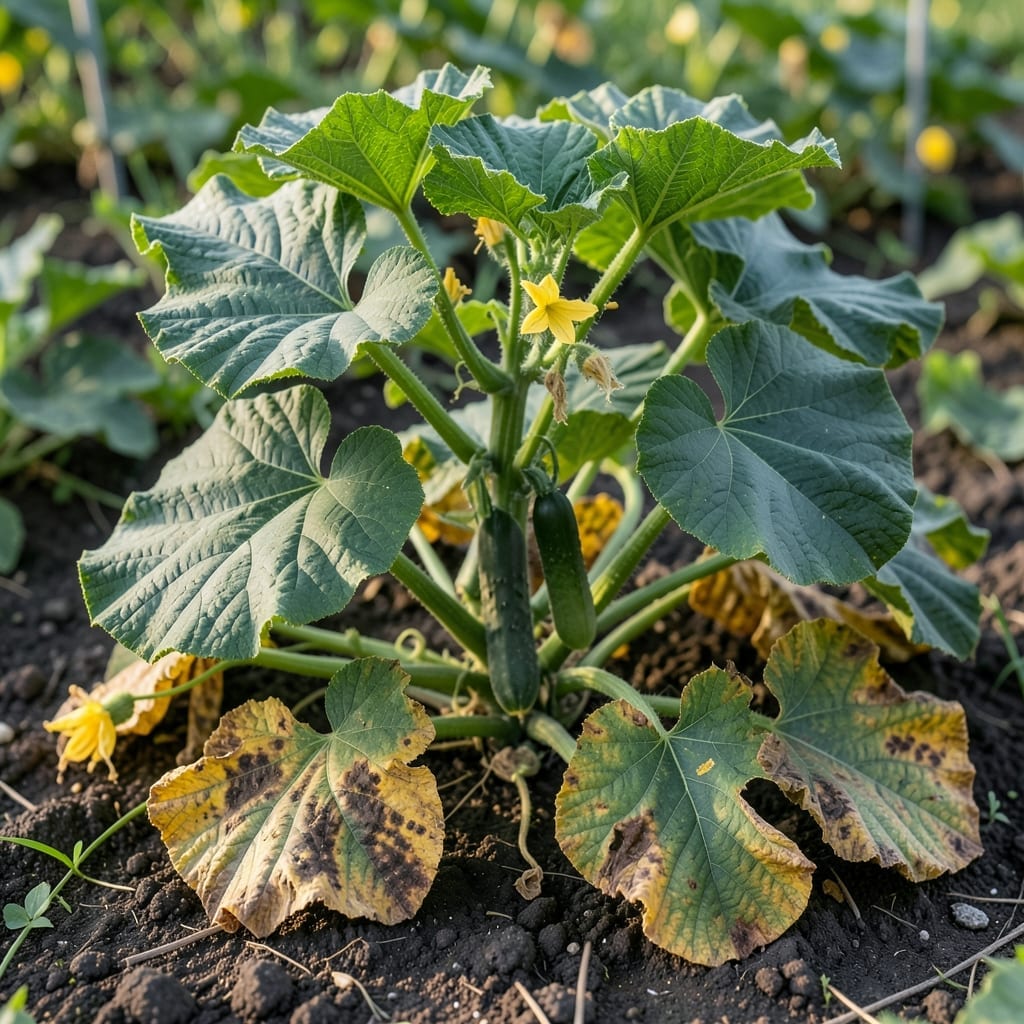
Spotted yellow leaves on your cucumber plants last week? I ignored mine for 3 days and lost half the vines to powdery mildew.
Early detection is everything. White spots, yellow patches, or curled edges all signal different problems—but each has a fix if you act fast.
Organic treatments like neem oil or baking soda spray stop most issues without harsh chemicals. Prevention starts with airflow and morning watering.
Healthy plants finish the season strong, producing crisp cucumbers instead of diseased foliage. Here’s how to save yours.
Understanding why cucumber leaves fall prey to disease is the first step in prevention. Several factors contribute to the development of leaf diseases in cucumbers, often working in combination.
Fungal and bacterial pathogens thrive in wet, humid conditions. Overwatering, poor soil drainage, or frequent overhead irrigation creates the perfect environment for spores to germinate and spread. Pythium and Phytophthora are common culprits in waterlogged soils, while downy mildew (Pseudoperonospora belbahrii) flourishes in high humidity.
Some diseases, like fusarium wilt (Fusarium oxysporum) or bacterial leaf spot (Pseudomonas syringae), can persist in contaminated soil or infected seeds. If your garden has a history of cucumber diseases, the pathogens may already be lurking, ready to attack new plants.
Extreme temperatures—either too hot or too cold—weaken cucumber plants, making them more susceptible to infection. Heat stress can reduce a plant’s ability to resist powdery mildew (Podosphera xanthii), while cold, damp nights encourage fungal growth. Poor air circulation in dense plantings also traps moisture, accelerating disease spread.
Insects like aphids, cucumber beetles, or whiteflies can physically damage leaves, creating entry points for pathogens. Their feeding also spreads viruses such as cucumber mosaic virus (CMV), which causes mottling and distortion of leaves. Even minor wounds from pruning or hail can invite bacterial or fungal invaders.
Over- or under-fertilization, particularly with nitrogen, can lead to lush but weak foliage that’s more prone to disease. A deficiency in key nutrients like potassium or calcium can also compromise a plant’s natural defenses, leaving it vulnerable to infections.
Tackling cucumber leaf issues starts with identifying the cause and applying the right fix. Here’s a straightforward guide to common problems and their solutions, along with prevention tips to keep your plants thriving.
Mix 1 teaspoon baking soda, 1 quart of water, and a few drops of dish soap. Spray this solution on the leaves every 7–10 days or after rain. This disrupts the fungus and prevents its spread. Prevention tip: 💡 Space plants properly for airflow and water at the base to keep leaves dry.
Apply neem oil directly to leaves to deter beetles, or use floating row covers to physically block pests. Remove any yellowing leaves, as they attract beetles. Prevention tip: 🎯 Rotate crops yearly and plant companion herbs like dill or marigolds to repel pests naturally.
If leaves are yellowing or wilting, check soil moisture. Let the top 1–2 inches of soil dry out between waterings. Ensure pots or beds have drainage holes to avoid root rot. Prevention tip: ✨ Water early in the day so excess moisture evaporates quickly.
For severe cases, use a copper-based fungicide as directed on the label. Remove and destroy infected leaves immediately to stop the spread. Prevention tip: 🌡️ Avoid overhead watering and thin out dense foliage to improve air circulation.
Yellowing between leaf veins often signals a lack of magnesium or iron. Use a balanced organic fertilizer or add compost to the soil. Prevention tip: 🔥 Test soil annually and amend it based on the results for long-term health.
With these targeted fixes and consistent care, your cucumber plants can bounce back and stay vibrant all season long.
Disease spots often have fuzzy edges or white/gray growth, while pest damage looks like holes or chewed edges. Check undersides of leaves for tiny insects or webbing.
Yes, if the fruit itself looks healthy. Wash thoroughly and avoid eating any cucumbers with visible mold or rot. Most leaf diseases don’t affect the edible parts.
Remove infected leaves immediately and apply a copper fungicide or neem oil. Isolate affected plants and avoid overhead watering to prevent further contamination.
Not recommended. Solarize soil by covering with clear plastic for 4-6 weeks or replace it entirely. Pathogens can survive and infect new plants.