
Beautiful Plants For Your Interior
Beautiful Plants For Your Interior
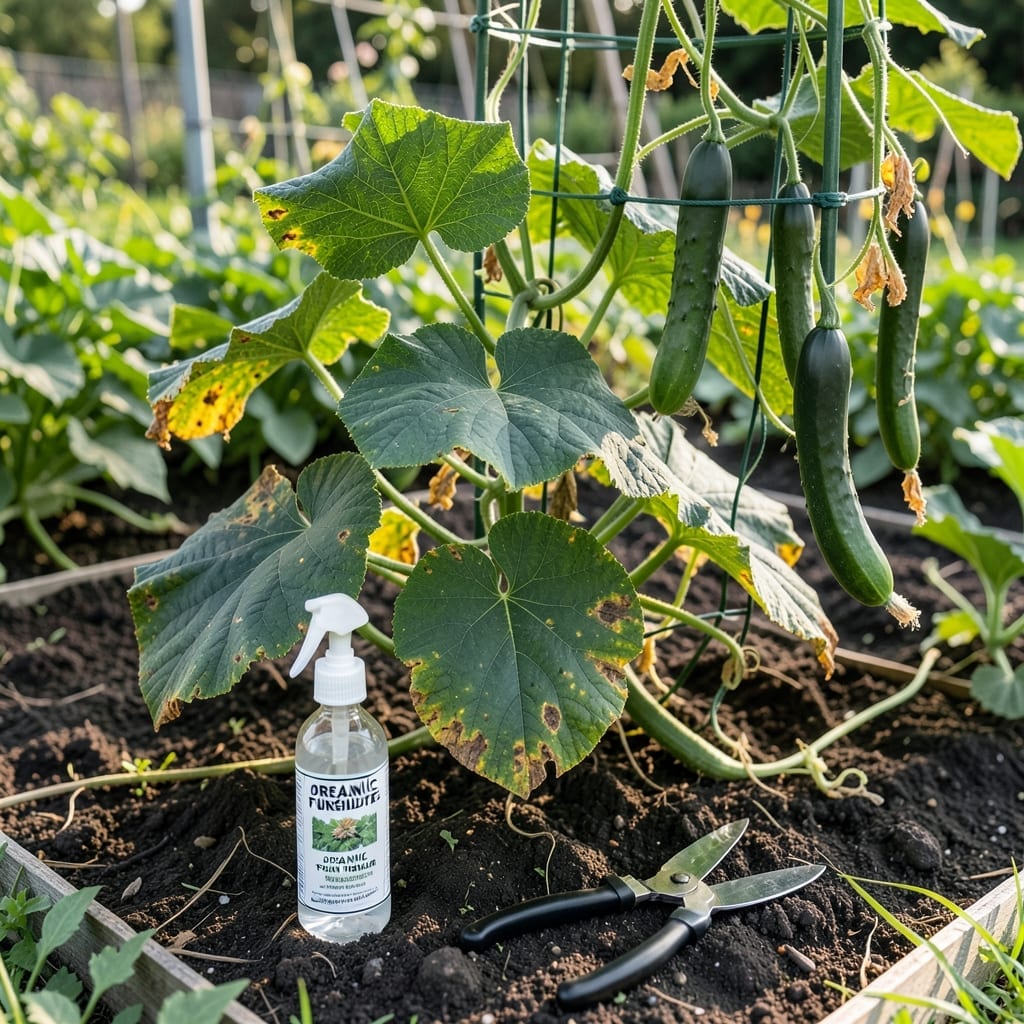
Spotted the first yellow leaves on your cucumber vines yet? I lost an entire crop to blight my second year gardening before learning how to stop it in its tracks.
Here’s the thing—blight spreads fast, but early action saves plants. 3 simple steps can prevent the heartbreak: watch for water-soaked spots, remove infected leaves immediately, and adjust your watering routine.
Organic prevention works better than you’d expect. Copper sprays, resistant varieties, and crop rotation keep plants healthy without harsh chemicals. My vines now stay productive through late summer.
Even in wet seasons, these methods protect your harvest. No more watching healthy plants wither overnight.
Cucumber blight doesn’t strike at random—it thrives under specific conditions. Understanding the root causes helps you interrupt the cycle before it takes hold. Here’s why your plants may be at risk:
Most cucumber blight cases stem from Phytophthora or Pythium fungi, which love soggy, poorly drained soil. These pathogens produce zoospores that swim through waterlogged soil to infect roots and stems. When temperatures rise above 75°F (24°C) and moisture lingers, spores germinate rapidly, leading to damping-off in seedlings or wilt in mature plants.
Watering from above splashes fungal spores from the soil onto leaves, creating entry points for infection. This is especially true for Alternaria and Cercospora leaf blights, which need just 6–12 hours of leaf wetness to establish. Drip irrigation or soaker hoses at the base of plants can drastically reduce this risk.
Dense plantings or tall neighboring crops restrict airflow, keeping foliage damp longer after rain or irrigation. Stagnant humidity allows fungal spores to settle and penetrate leaf tissues. Pruning excess leaves and spacing plants 18–24 inches apart improves ventilation and lowers infection rates.
Blight pathogens can overwinter in old crop residue or on contaminated seeds. Planting untreated seeds or failing to rotate crops (avoiding cucurbits in the same spot for 3–4 years) gives the fungus a head start. Always use certified disease-free seeds and remove all plant debris after harvest.
Stopping cucumber blight starts with quick action and smart habits. Below are targeted fixes for the most common causes, paired with prevention tips to keep your plants thriving. 🌱
Fix: Remove infected leaves immediately to prevent spread. Apply copper-based fungicides or a homemade baking soda spray (1 tsp baking soda, 1 quart water, ½ tsp dish soap). Spray in the early morning for best results.
Prevent: Space plants 18–24 inches apart for airflow. Water at the base to keep foliage dry. Rotate crops yearly to break fungal cycles. 💡
Fix: Prune affected leaves with sterilized shears. Treat with neem oil or a hydrogen peroxide solution (1 tbsp 3% H₂O₂ per gallon of water) every 5–7 days until symptoms fade.
Prevent: Avoid overhead watering. Use drip irrigation and mulch to reduce soil splashing. Disinfect tools and stakes after each use. ✨
Fix: Provide afternoon shade with row covers or shade cloth if temperatures exceed 90°F. Improve drainage if soil is waterlogged.
Prevent: Plant in well-draining soil and use raised beds if needed. Monitor humidity—aim for 40–60% for optimal growth. 🎯
Fix: Thin out dense foliage by pruning excess leaves. Stake or trellis vining cucumbers to lift them off the ground.
Prevent: Space plants properly at planting. Avoid over-fertilizing with nitrogen, which encourages leafy, crowded growth. 🌿
Consistency is key—check plants weekly for early signs and act fast. A little care goes a long way in keeping blight at bay!
Blight can spread rapidly—sometimes within 24-48 hours in warm, wet conditions. Check plants daily and remove infected leaves immediately to prevent further damage.
Yes, if caught early! Prune affected areas, adjust watering, and apply organic treatments like copper fungicide or neem oil. Severe cases may require removal to protect nearby plants.
Always water at the base of the plant using drip irrigation or soaker hoses. Avoid overhead watering, especially in the evening, to keep foliage dry and reduce spore spread.
Yes! Look for disease-resistant varieties like ‘Diva’, ‘Straight Eight’, or ‘Marketmore 76’. These are bred to tolerate common blight pathogens better.