
Beautiful Plants For Your Interior
Beautiful Plants For Your Interior
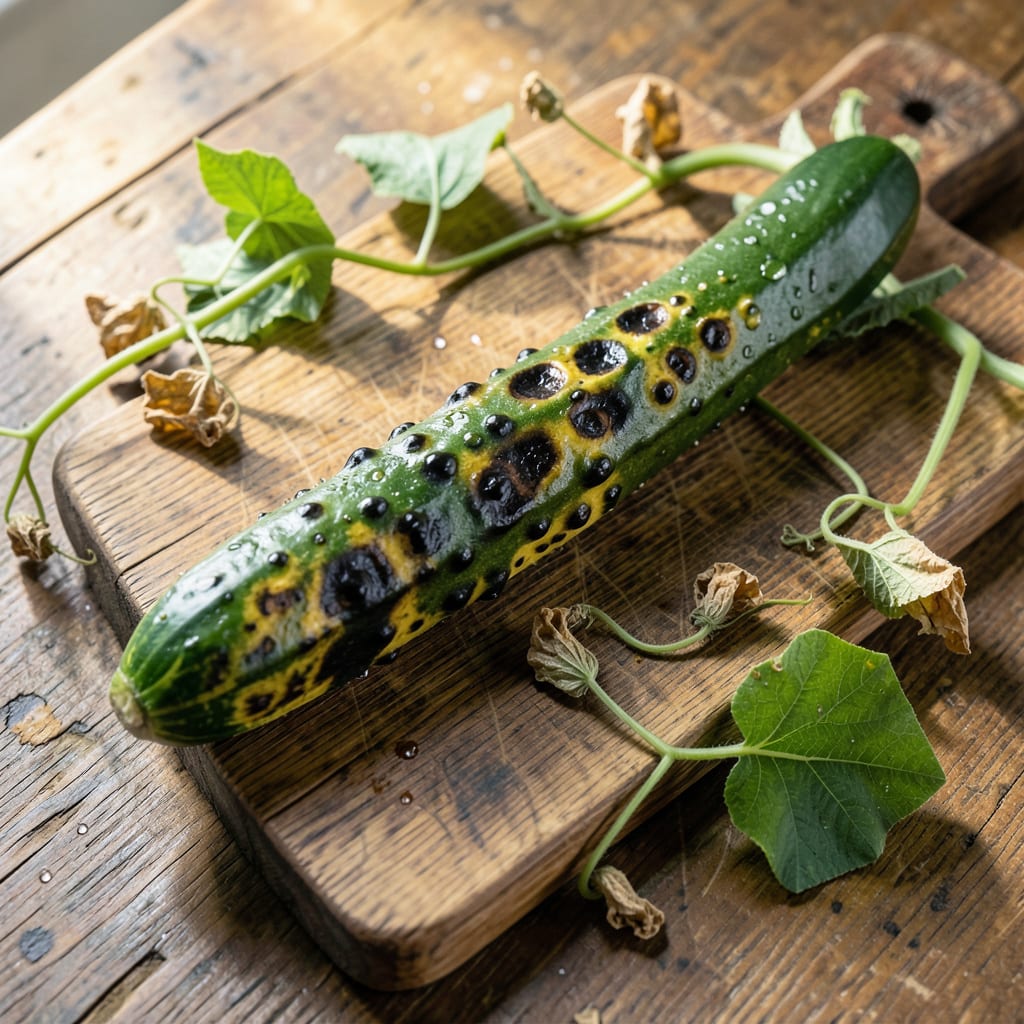
That sunken, mushy stem on your cucumber plant isn’t just sad—it’s urgent. I’ve lost entire vines overnight to stem rot, and the key is catching it before it spreads to healthy growth.
This isn’t about blame—it’s about wet soil, poor airflow, or a fungal party you didn’t invite. The good news? Organic fixes exist that can save your plant if you act within 24-48 hours of spotting symptoms.
You’ll stop the rot’s advance, strengthen remaining vines, and prevent future outbreaks with simple habitat tweaks. No harsh chemicals required—just targeted, natural interventions.
Works for container or in-ground plants, and the same principles apply to squash and melons too. Here’s what to do.
Stem rot in cucumber plants is a frustrating issue, but understanding the root causes can help you prevent it. Here are the most common triggers, explained scientifically:
Excess moisture is the #1 cause of stem rot. When soil stays soggy, it suffocates the roots and encourages Phytophthora or Pythium fungi, which thrive in waterlogged conditions. These pathogens attack the stem base, leading to soft, discolored, or collapsing tissue. Actionable fix: Ensure your cucumber beds have well-draining soil, and water only when the top inch of soil feels dry.
Several soil-borne pathogens directly cause stem rot, including Fusarium oxysporum and Sclerotinia sclerotiorum. These microbes enter through wounds or stressed tissue, breaking down the stem’s structural integrity. Actionable fix: Rotate crops yearly, avoid planting cucumbers in the same spot, and use disease-resistant varieties like ‘Marketmore 76’ or ‘Straight Eight’.
High humidity (above 80%) and warm temperatures (75–85°F) create a perfect breeding ground for rot-causing organisms. Cool, wet springs or poorly ventilated greenhouses can also accelerate infection. Actionable fix: Improve airflow with spacing (12–18 inches between plants) and use drip irrigation to keep foliage dry.
Injured stems from gardening tools, insects, or rough handling are entry points for pathogens. Even contaminated tools or infected plant debris can spread the disease. Actionable fix: Sterilize tools with rubbing alcohol, remove and burn infected plants, and avoid working in wet conditions.
Stem rot in cucumbers can be managed and even reversed with quick action. Address each root cause with these targeted fixes, and add preventative care to keep your plants thriving.
If soggy soil is the culprit, stop watering immediately and let the top 1–2 inches of soil dry out. Water only when the soil feels dry at that depth. Fix drainage by amending heavy clay soil with compost or creating raised beds. Use drip irrigation to keep foliage dry and deliver water directly to the roots.
For fungal issues like Phytophthora or bacterial soft rot, remove infected plant parts with sterilized pruners and discard them (not in compost). Apply a copper-based fungicide or a Bacillus subtilis spray for organic control. Rotate crops next season to prevent recurrence. Avoid overhead watering to reduce spore spread.
Stem rot often follows pest wounds. Check for cucumber beetles or aphids and treat with neem oil or insecticidal soap. Use row covers early in the season to block pests. Remove plant debris and weeds that harbor insects, and inspect stems weekly for early signs of damage.
Prevention Tips:
Look for soft, mushy stems near the base, often with dark spots. The plant may wilt even when soil is moist. Early signs include yellowing leaves and stunted growth.
Yes, if caught early! Remove affected stems with sterilized shears. Improve drainage, reduce watering, and apply copper fungicide. Severe cases may require removing the entire plant.
Rotate crops yearly, space plants 12-18 inches apart, and use drip irrigation. Mulch with straw to prevent soil splash. Always sterilize tools between uses.
‘Marketmore 76’, ‘Straight Eight’, and ‘Diva’ show good resistance. These varieties handle stress better and recover faster from minor infections.
