
Beautiful Plants For Your Interior
Beautiful Plants For Your Interior
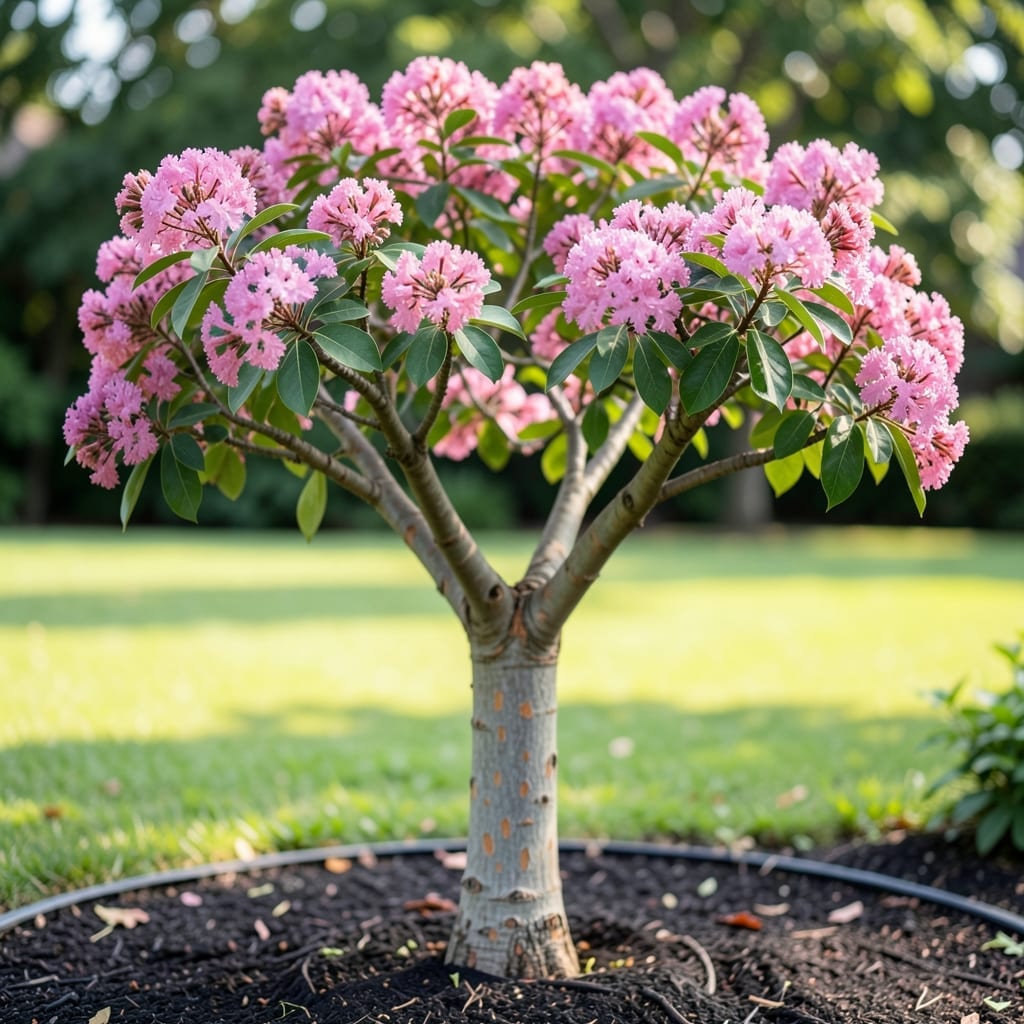
Black leaves on your crepe myrtle aren’t a death sentence. I’ve nursed plenty back to health, and the solution is usually simpler than you’d think.
That dark coating is often sooty mold, a fungus that thrives on aphid honeydew. Other culprits include overwatering or poor drainage. The good news? Most cases respond to basic pruning and better air circulation.
You’ll see improvement within 2-3 weeks of treating the underlying issue. The key is identifying the root cause first, not just the black symptoms.
Works for established trees and new plantings alike. Let’s diagnose and fix this together.
Crepe myrtles are beloved for their vibrant blooms and hardy nature, but when their leaves or bark start turning black, it’s often a sign of an underlying issue. Below are the most common causes, explained with actionable insights.
The primary culprit behind blackened crepe myrtle foliage is sooty mold, a fungal disease that thrives on the honeydew secreted by sap-sucking pests like aphids, scale, or whiteflies. This sticky residue creates the perfect breeding ground for the mold, which appears as a black, powdery coating on leaves and stems. Action: Treat the pest infestation first with insecticidal soap or neem oil to cut off the mold’s food source.
Extreme heat, drought, or poor soil drainage can stress crepe myrtles, leading to discoloration. Blackened bark or leaves may signal scorch from intense sunlight or waterlogged roots. Action: Ensure consistent watering (1–2 inches per week) and mulch to retain moisture. Prune damaged areas to encourage healthy regrowth.
Beyond sooty mold, other fungi like powdery mildew or leaf spot can cause dark patches. These thrive in humid conditions with poor air circulation. Action: Improve airflow by thinning branches, and apply a fungicide like copper sulfate if the issue persists.
Overuse of herbicides or improperly applied pesticides can burn foliage, turning it black. Action: Always follow label instructions, and avoid spraying on windy days to prevent drift onto the plant.
If your crepe myrtle is turning black, the most likely culprit is sooty mold. Here’s how to tackle it and restore your plant’s health.
Sooty mold thrives on the honeydew secreted by pests like aphids, scale, or whiteflies. Start by inspecting your crepe myrtle for these insects, especially on the undersides of leaves. Use a strong blast of water to dislodge aphids, or apply neem oil or insecticidal soap for a more targeted approach. For severe infestations, consider a systemic insecticide. Reapply treatments every 7–10 days until pests are gone.
Once pests are under control, remove the black mold. Mix a solution of mild dish soap and water (1 teaspoon soap per gallon of water) and gently scrub the affected leaves and branches with a soft cloth or sponge. For stubborn mold, a baking soda solution (1 tablespoon baking soda + 1 teaspoon dish soap + 1 gallon water) can help. Avoid harsh chemicals, as they can damage the plant.
Sooty mold loves damp, stagnant conditions. Prune overcrowded branches to allow better airflow and sunlight penetration. Space out your crepe myrtles properly when planting, and remove fallen leaves and debris around the base to reduce moisture buildup. Water at the base of the plant in the morning to keep foliage dry.
💡 Prevention Tip: Encourage natural predators like ladybugs and lacewings by planting pollinator-friendly flowers nearby. These beneficial insects help keep pest populations in check, reducing the risk of future sooty mold outbreaks.
Most often, it’s sooty mold growing on honeydew from pests like aphids. Other causes include fungal diseases, poor drainage, or chemical burns from pesticides.
Control pests with neem oil and improve airflow by pruning. Water at the base in the morning to keep leaves dry.
Not always. Dark bark can be natural, but if it’s spreading with black leaves, check for sooty mold or environmental stress.
Avoid harsh chemicals. Use a mild soap-water solution or baking soda mix to gently clean affected areas.