
Beautiful Plants For Your Interior
Beautiful Plants For Your Interior
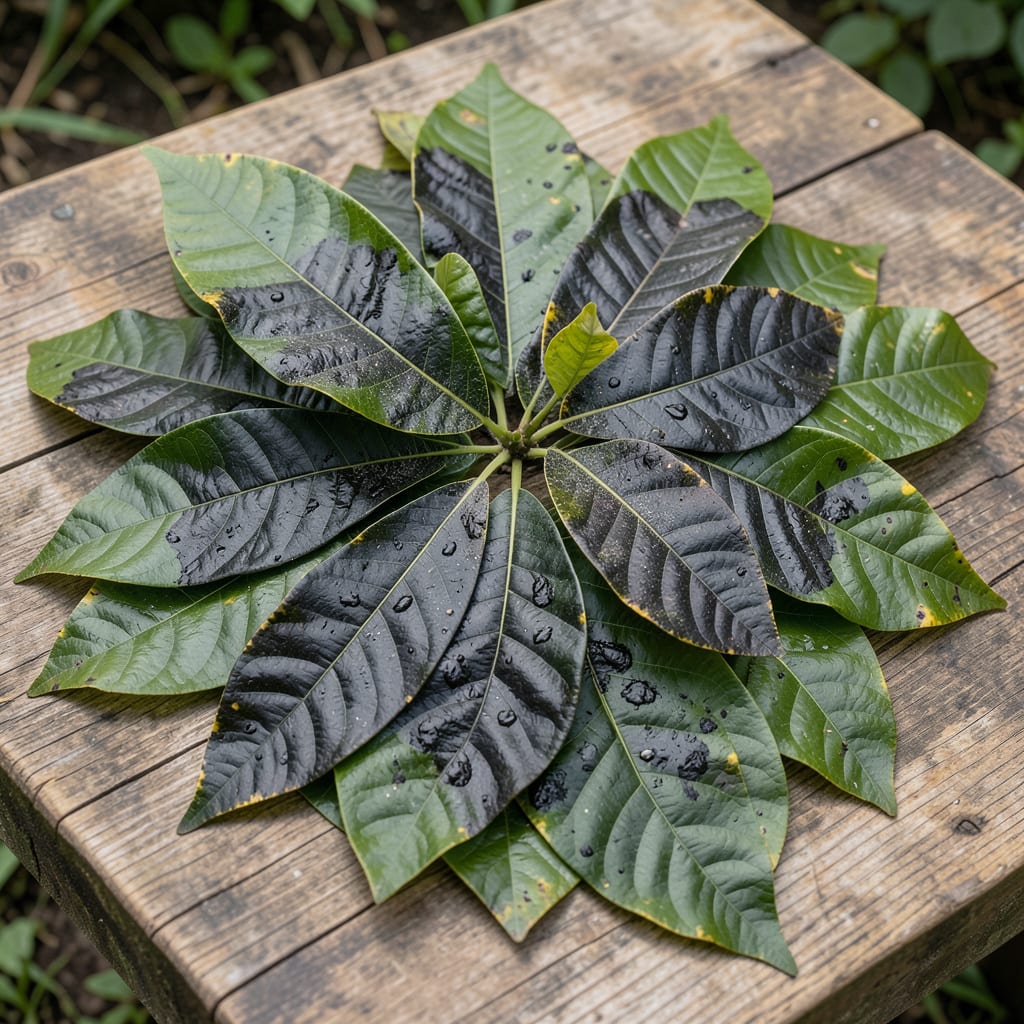
Watching your mango tree’s leaves turn black feels like losing a piece of summer. I’ve been there—panicked, searching for answers while the damage spreads.
Good news: this is fixable. The key is identifying whether it’s fungus, pests, or stress. With the right approach, you’ll see healthy green growth returning within weeks.
📚 In This Guide
Here’s how I systematically identify and resolve the issue to restore vibrant, healthy foliage.
Begin by examining the affected leaves closely to determine the pattern of blackening. If the discoloration appears as irregular black spots with yellow halos, it’s often a sign of anthracnose, a fungal disease common in humid conditions. This typically starts on young leaves and fruits before spreading.
If entire leaves turn black uniformly, especially on the undersides, suspect sooty mold caused by sap-sucking pests like aphids or scale. Check for sticky residue (honeydew) on leaves or stems, which confirms this diagnosis. In severe cases, the black coating can block sunlight, weakening the tree significantly.
For sooty mold, inspect the tree for clusters of small, soft-bodied insects like aphids or the hard, shell-like bumps of scale. These pests excrete honeydew, which attracts the black mold. Flip leaves over—pests often hide on the undersides where they’re less visible.
For fungal issues like anthracnose, look for dark, sunken lesions on stems or fruits, often accompanied by leaf curl. High humidity and poor air circulation create ideal conditions for fungal spores to thrive. I’ve found that morning inspections after dew formation reveal the most active fungal growth.
If pests are the culprit, apply neem oil or insecticidal soap to the tree, focusing on the undersides of leaves where pests congregate. Repeat applications every 7-10 days until the infestation clears. Neem oil also has antifungal properties, making it a dual-purpose solution for many mango tree issues.
For confirmed fungal diseases, remove and destroy all infected leaves and fruits to prevent further spread. Apply a copper-based fungicide according to label instructions, especially during the tree’s flowering and early fruit development stages. Always treat in the early morning or late evening to avoid burning leaves in direct sunlight.
Improve air circulation around the tree by pruning dense branches to allow sunlight and airflow to reach the center. This reduces humidity levels that fungi love. Space mango trees at least 25-30 feet apart to minimize competition and promote better ventilation.
Water at the base of the tree using drip irrigation rather than overhead sprinkling, which wets leaves and invites fungal growth. A 2-3 inch layer of mulch around the base (kept 6 inches away from the trunk) helps retain soil moisture while preventing water from splashing onto lower leaves. This simple change often prevents future blackening issues.
After treatment, monitor the tree weekly for new signs of blackening or pest activity. Healthy mango trees recover quickly with proper care, but stress from drought, poor soil, or nutrient deficiencies can make them vulnerable to recurring problems. I recommend a balanced fertilizer (such as 6-6-6) applied every 2-3 months during the growing season.
Keep the area around the tree free of fallen leaves and debris, as these can harbor fungal spores or pests. Regularly clean your pruning tools with rubbing alcohol to avoid spreading pathogens between cuts. With consistent care, your mango tree will regain its lush, green foliage and continue producing abundant, healthy fruit.
These practical insights will help you address blackening leaves more effectively and prevent future issues.
Diagnostic Precision: In Step 1, pay close attention to the pattern of blackening—irregular spots with yellow halos indicate anthracnose, while uniform blackening on leaf undersides points to sooty mold. This distinction is crucial for choosing the right treatment, as fungal and pest-related issues require different approaches.
Timing Treatment Applications: When applying neem oil or insecticidal soap in Step 3, stick to the 7-10 day repeat schedule. Skipping applications or stopping too soon often allows pests to rebound, undoing your progress. Consistency is key to breaking the pest life cycle.
Cultural Practice Adjustment: The 25-30 feet spacing mentioned in Step 4 isn’t just a suggestion—it’s essential for airflow. Crowded trees create the humid microclimate that fungi thrive in. If your trees are already planted too closely, focus on aggressive pruning to open up the canopy.
Long-Term Vigilance: Step 5’s weekly monitoring is your best defense against recurrence. I’ve found that early morning inspections, when dew is still present, reveal problems before they become severe. Keep a garden journal to track patterns and catch issues faster next time.
Black leaves often signal fungal infections like anthracnose or sooty mold, or environmental stress like overwatering or nutrient deficiencies. Check for spots, mold, or pest activity to pinpoint the issue.
If the damage is minor, trimming affected leaves and improving care (watering, sunlight, and fungicides) may help. Severely damaged leaves won’t recover but new growth can stay healthy with proper treatment.
Ensure good airflow, avoid overhead watering, and apply copper-based fungicides preventatively. Regularly inspect for pests and maintain balanced fertilization to keep foliage vibrant.
Copper fungicides or neem oil are effective for fungal issues like anthracnose. Apply early in the season or at first signs of trouble, following label instructions for safe use.
Prune affected leaves immediately to prevent spread, especially during dry weather. Sterilize tools between cuts, and avoid pruning during rainy seasons to reduce fungal risks.
