
Beautiful Plants For Your Interior
Beautiful Plants For Your Interior
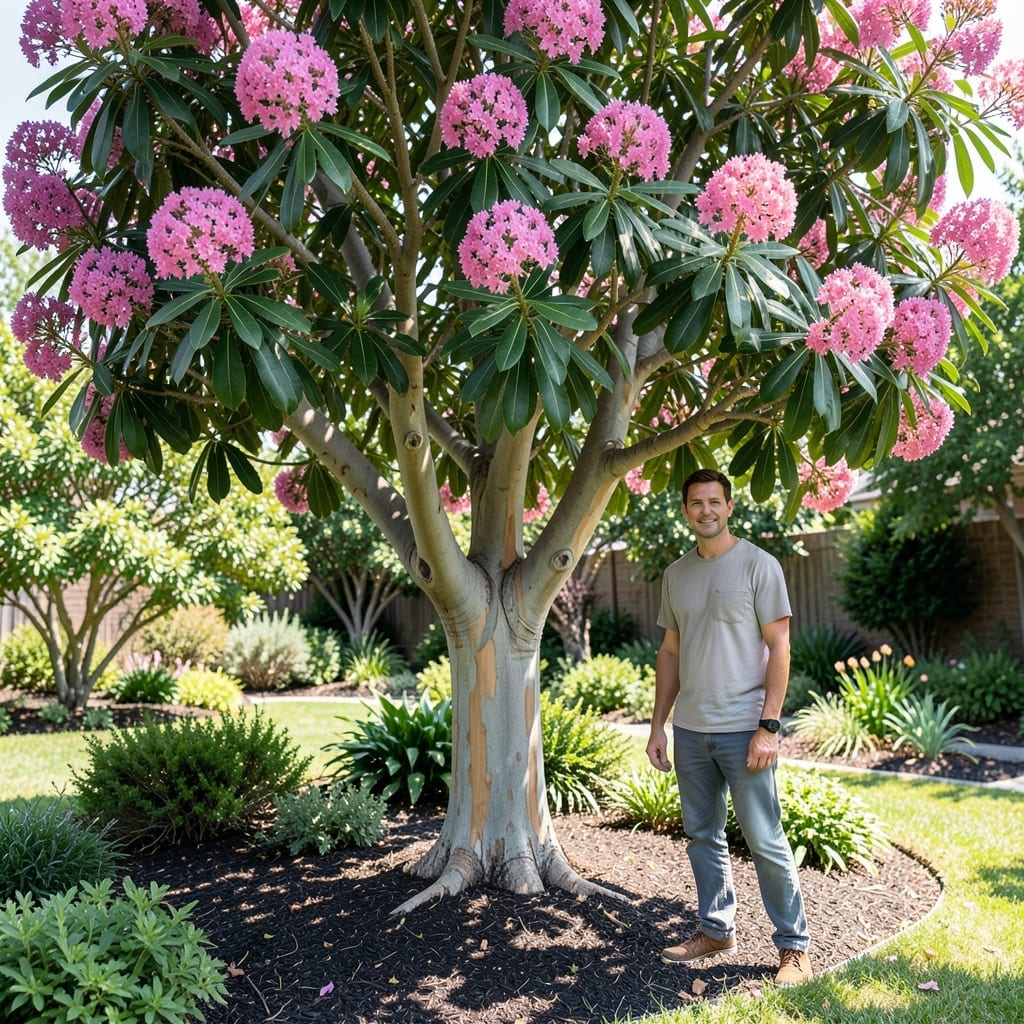
Crepe myrtles are beloved for their stunning summer blooms and adaptability, but their mature height varies dramatically by variety. Whether you’re planting a dwarf 🌳 Crepe Myrtle Tree or a towering specimen, knowing the growth potential is key to proper landscape planning.
From compact shrubs to majestic trees, these plants can range from a modest 3 feet to an impressive 25 feet tall. Understanding these differences helps you choose the perfect fit for your space and avoid future maintenance headaches.
I’ll walk you through the height ranges for each type and share practical tips for managing growth. Let’s discover how to make the most of these beautiful plants in your garden.

When planning your landscape, understanding crepe myrtle height is crucial. These versatile plants come in a range of sizes, from petite shrubs to towering trees, each offering unique benefits for different garden spaces.
I’ve found that selecting the right variety can prevent future headaches. Dwarf types stay compact, while standard varieties can reach impressive heights, so matching the plant to your space is key for long-term success.
| Variety | Height Range | Example Cultivars |
|---|---|---|
| Dwarf | 3-6 ft | Pocomoke, Petite Orchid |
| Semi-Dwarf | 7-12 ft | Acoma, Tonto |
| Intermediate | 13-20 ft | Natchez, Muskogee |
| Standard | 20-25 ft | Catawba, Miami |
For small gardens or containers, I recommend the dwarf varieties. These stay under 6 feet and work beautifully in borders or as focal points on patios. They’re perfect for gardeners with limited space.
The semi-dwarf types reach 7-12 feet tall, making them ideal for medium-sized yards. I’ve used these successfully as privacy screens or to create a colorful summer hedge that doesn’t overwhelm the space.
Intermediate crepe myrtles grow 13-20 feet tall and work well as small shade trees. In my experience, they provide just enough canopy to create a cozy garden nook without the commitment of a full-sized tree.
For those with ample space, the standard varieties can reach 20-25 feet. These make stunning specimen trees and can even provide light shade. I’ve seen them used effectively as street trees in warmer climates.
Remember that these height ranges are for mature plants under ideal conditions. Your specific climate, soil, and care practices can influence the final size. I always suggest checking the specific cultivar’s tag for the most accurate information.
It’s also worth noting that growth rates vary. Dwarf varieties typically reach their mature height in 3-5 years, while standard types may take 5-10 years to reach full size. This gradual growth allows you to enjoy the plant’s beauty at every stage.
Choosing the right crepe myrtle height for your space ensures years of enjoyment with minimal maintenance. Whether you opt for a petite shrub or a grand tree, these adaptable plants will reward you with their stunning summer blooms and attractive bark. 🌳
Several key factors determine how tall your crepe myrtle will grow. While genetics set the baseline, environmental conditions play a huge role in reaching that potential. I’ve seen the same variety thrive at 20 feet in one yard and struggle at 12 feet in another.
Soil quality stands out as the most important. Rich, well-draining soil encourages robust growth, while poor soil stunts development. I always recommend amending with compost before planting for best results.
In my experience, sunlight exposure makes a dramatic difference. Plants in full sun consistently outperform those in partial shade by 30-40% in height. I’ve measured this difference in my own garden over several growing seasons.
Water availability also impacts growth significantly. While crepe myrtles are drought-tolerant once established, consistent moisture during the first 2-3 years helps them reach their full potential. I recommend deep weekly watering during dry spells.
Don’t overlook pruning practices. While proper pruning can shape your tree, improper techniques like topping can actually stunt growth. I’ve seen well-meaning gardeners accidentally limit their plant’s height through aggressive pruning.
Finally, climate zone matters. In cooler zones, crepe myrtles may grow more slowly and stay smaller. In ideal zones, they’ll reach their maximum potential more quickly. Always check your local conditions.
By optimizing these factors, you can help your crepe myrtle reach its full genetic height potential while maintaining its health and beauty. 🌳