
Beautiful Plants For Your Interior
Beautiful Plants For Your Interior
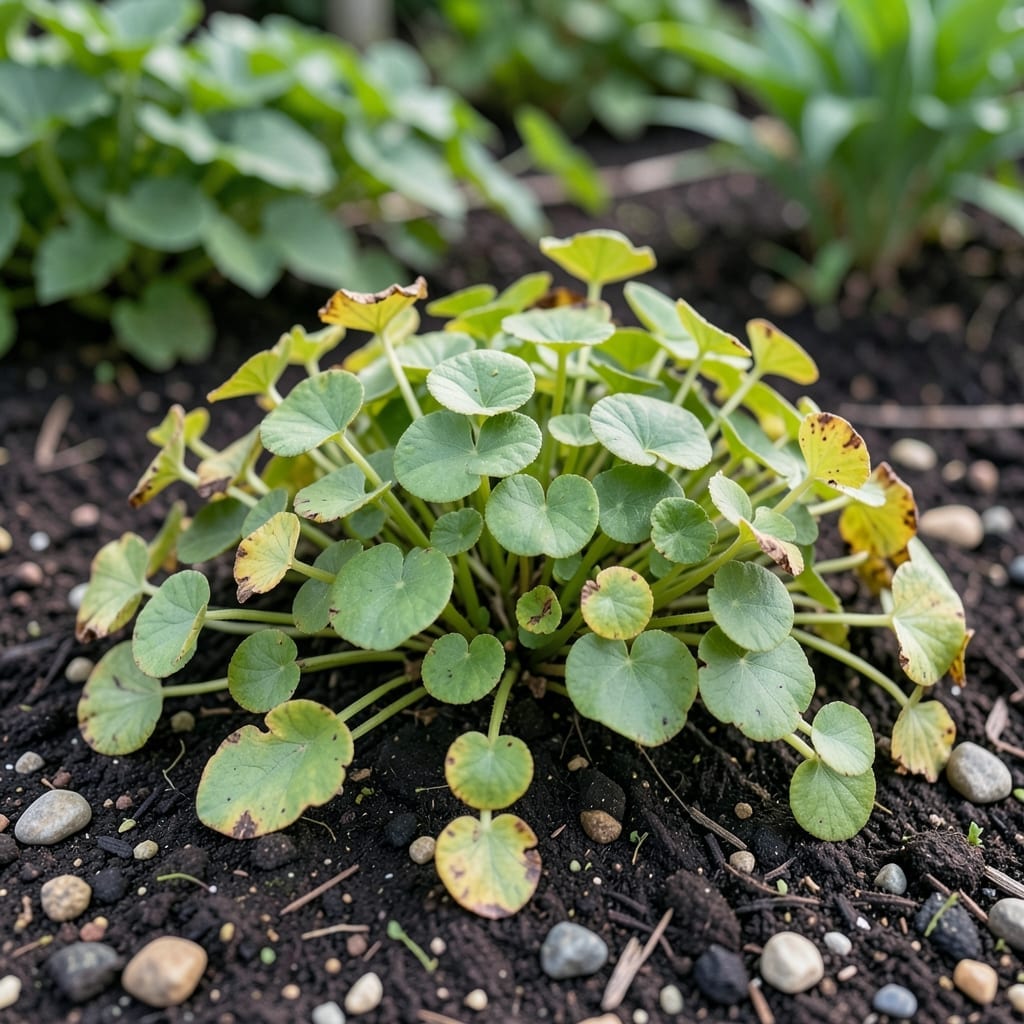
Watching vibrant green creeping jenny turn brown hits different. I’ve lost count of how many times I’ve panicked over those crispy edges, only to realize the fix was simpler than I thought.
Most brown-outs trace to 3 common culprits: underwatering, too much sun, or soil that’s either bone-dry or waterlogged. The plant’s tough, but it has limits. Once you spot the pattern, revival becomes straightforward.
With the right adjustments, those golden-green leaves bounce back within 2-3 weeks. You’ll see new growth pushing through the brown, and the spread returns to its usual aggressive charm.
Works for ground cover, containers, or hanging baskets. Here’s how to diagnose and fix it fast.
Creeping Jenny (Lysimachia nummularia) is a hardy ground cover, but even this resilient plant can develop brown leaves or stems. Here’s why it happens:
In hot, dry conditions, Creeping Jenny loses moisture faster than its roots can absorb it. Wilting and browning often start at the edges of leaves, where dehydration hits first. This plant thrives in consistently moist soil, so prolonged dry spells or intense sunlight (especially in afternoon heat) can scorch its foliage.
While Creeping Jenny loves moisture, soggy soil suffocates its roots, leading to root rot. Fungal pathogens like Phytophthora or Pythium thrive in waterlogged conditions, turning leaves yellow-brown and mushy. Poorly draining soil or containers without drainage holes are common culprits.
Fungi such as Alternaria or Septoria can cause brown spots or patches, often with a yellow halo. These spread in humid conditions, especially if the plant’s foliage stays wet (e.g., from overhead watering or crowding). Improving air circulation and avoiding evening watering can help prevent outbreaks.
A lack of nitrogen (causing uniform yellowing) or potassium (leading to brown, crispy edges) can make Creeping Jenny look lackluster. Poor soil or competition from aggressive plants may deplete these essential nutrients. A balanced, slow-release fertilizer can often revive its vibrant green color.
Sap-sucking pests like aphids or spider mites weaken the plant, causing leaves to turn brown or curl. Check the undersides of leaves for tiny insects or fine webbing. A strong blast of water or insecticidal soap can dislodge and treat these pests effectively.
If your creeping jenny is losing its vibrant green color, don’t panic—there are simple fixes for most causes. Below, we break down solutions for each common issue, along with tips to keep your plant thriving long-term.
Too much direct sunlight can scorch the leaves, turning them brown and crispy. Move your plant to a spot with partial shade, especially during peak afternoon hours. If it’s in a container, shift it to a shadier area. For in-ground plants, consider adding a lightweight shade cloth.
Prevention tip: 💡 Creeping jenny prefers bright, indirect light. Aim for 3–4 hours of morning sun and shade the rest of the day.
Underwatered? Give it a deep soak until the soil is moist 1–2 inches down. Overwatered? Let the soil dry out slightly between waterings and ensure the container has drainage holes. Yellowing leaves often signal overwatering, while dry, brittle leaves indicate thirst.
Prevention tip: 🌡️ Stick your finger in the soil—water only when the top inch feels dry. Use well-draining soil to avoid root rot.
A lack of nitrogen or iron can cause browning. Feed your plant with a balanced, water-soluble fertilizer (10-10-10) every 4–6 weeks during the growing season. For iron deficiency (yellowing between veins), apply chelated iron per package instructions.
Prevention tip: ✨ Mix compost into the soil at planting to give it a nutrient boost from the start.
Inspect leaves for aphids, spider mites, or fungal spots. Blast pests off with water or use insecticidal soap. For fungal issues (like leaf spot), remove affected leaves and improve air circulation. Avoid overhead watering to keep foliage dry.
Prevention tip: 🎯 Space plants 12–18 inches apart to reduce humidity and disease risk.
Creeping jenny is frost-sensitive. If cold snaps turn leaves brown, trim back damaged growth in spring—new shoots will emerge. In colder climates, mulch heavily or grow it in containers you can move indoors before frost.
Prevention tip: 🌱 Plant in USDA zones 4–9, and cover with frost cloth if unexpected cold hits.
Underwatered leaves feel dry and brittle, while overwatered ones turn yellow-brown and mushy. Check soil moisture 1 inch down—dry means water, soggy means stop.
Once leaves brown, they won’t recover, but trimming them encourages new growth. Focus on fixing the underlying issue, and fresh green leaves will appear within 2-3 weeks.
Yes! Blast pests off with water or apply insecticidal soap. Isolate affected plants to prevent spreading. Most recover quickly with prompt treatment.
Not always, but afternoon sun can scorch leaves in hot climates. Morning sun with afternoon shade is ideal. Use shade cloth if you notice browning in full-sun spots.