
Beautiful Plants For Your Interior
Beautiful Plants For Your Interior
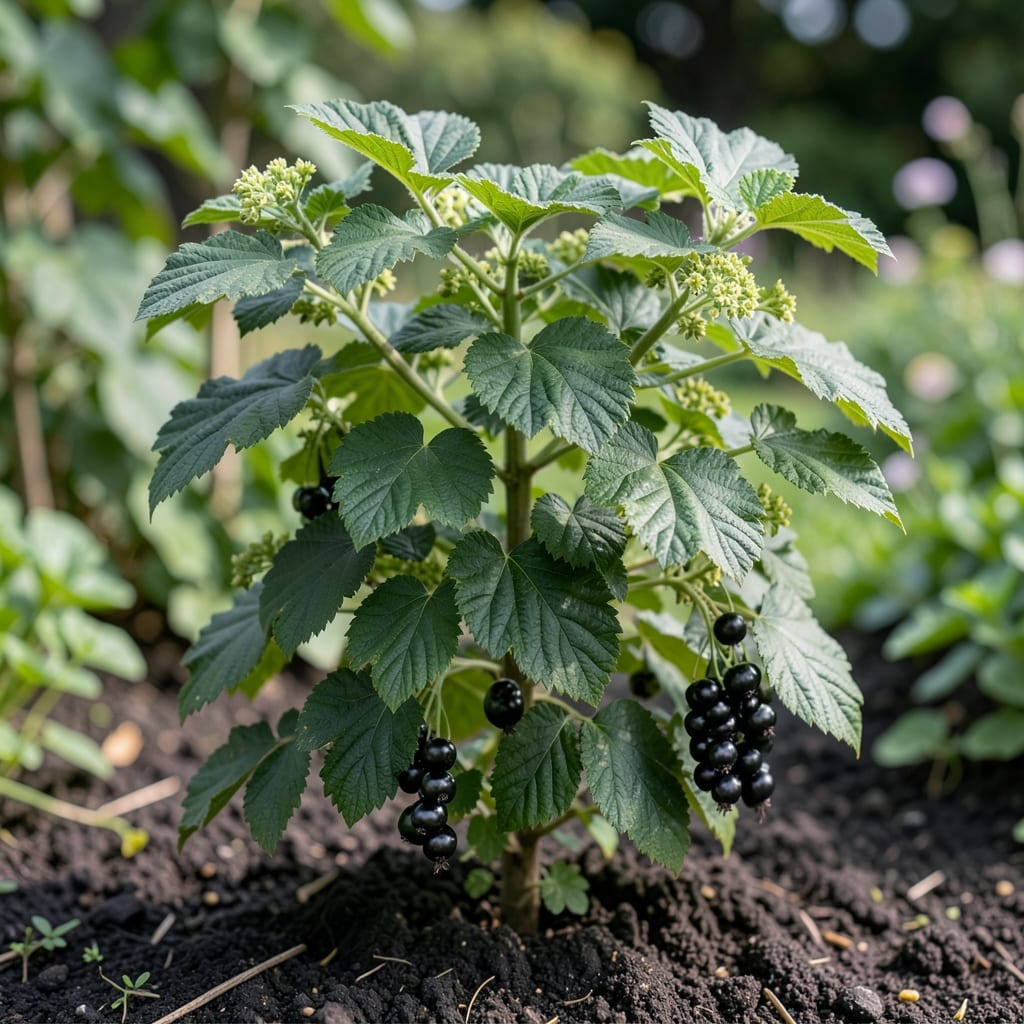
Consort black currants changed my berry game forever. These bushes deliver disease-resistant fruit with minimal fuss, and the flavor is unbeatable.
They thrive in partial shade with well-drained soil, and once established, they produce reliable harvests year after year. The key is proper pruning and consistent moisture.
📚 In This Guide
This method delivers consistent results with minimal effort and maximum berry production.
Choose a location with full sun to partial shade and well-draining soil. Consort black currants prefer slightly acidic to neutral soil with a pH between 6.0 and 6.5. Avoid low-lying areas where water pools, as soggy roots lead to rot and poor growth.
Test your soil by digging a 12-inch deep hole and filling it with water. If it drains completely within 2-3 hours, the drainage is adequate. Work in 2-3 inches of compost to improve fertility and structure before planting.
Dig a hole twice as wide and just as deep as the root ball. Place the plant in the hole so the highest root sits 1-2 inches below the soil surface—this encourages strong root development. Backfill with native soil, tamping lightly to remove air pockets.
Space plants 3-4 feet apart for hedgerows or 5-6 feet apart for individual specimens. Water deeply with 1-2 gallons per plant to settle the soil and eliminate air gaps around the roots. A slight depression around the base helps retain moisture during establishment.
Keep the soil consistently moist but not waterlogged during the first growing season. Water when the top 1-2 inches of soil feel dry to the touch. Young plants need 1-1.5 inches of water weekly, either from rainfall or irrigation.
Use a soaker hose or drip irrigation to deliver water directly to the roots, avoiding wetting the foliage. This prevents fungal diseases, which currants are particularly susceptible to. Mulch with 2-3 inches of organic material to conserve moisture and suppress weeds.
Prune in late winter while the plant is still dormant. Remove any dead, diseased, or crossing branches first. Shorten the remaining stems by one-third to encourage bushier growth and more fruiting wood.
Consort black currants produce fruit on one-year-old wood, so avoid over-pruning established canes. Train the plant to an open center shape by removing inward-growing shoots. This improves air circulation, reduces disease risk, and makes harvesting easier.
Apply a balanced 10-10-10 fertilizer in early spring as new growth begins, following package instructions. Avoid high-nitrogen fertilizers, which promote leafy growth at the expense of fruit production. A 2-inch layer of compost annually provides slow-release nutrients.
Watch for signs of aphids, which are attracted to the tender new shoots in spring. A strong blast of water often dislodges them, but apply insecticidal soap if infestations persist. Currant fruit fly can also be a problem—harvest berries promptly when they ripen to prevent infestation.
Small adjustments in planting and care make a dramatic difference in your harvest quality and plant health.
Soil Preparation Insight: The 12-inch drainage test in Step 1 is non-negotiable—if water lingers beyond 3 hours, amend with additional compost or consider raised beds. I learned this the hard way after losing two plants to root rot in poorly draining clay. Consort black currants are particularly sensitive to waterlogged conditions.
The Planting Depth Trick: That 1-2 inches below soil surface detail in Step 2 isn’t arbitrary. Planting too shallow exposes roots to temperature swings, while too deep can smother the crown. I use a ruler to measure precisely—this small step prevents a cascade of growth problems later.
Watering Wisdom: The 1-1.5 inches weekly guideline in Step 3 works perfectly when combined with the finger test (top 1-2 inches dry). Confession: I used to water on a rigid schedule until I realized my sandy soil needed the full 1.5 inches, while my friend’s clay soil thrived on just 1 inch. Adjust based on your soil’s retention.
Pruning Precision: Shortening stems by one-third in Step 4 isn’t just about shape—it redirects energy to fruit production. The open center training mentioned is especially crucial for Consort varieties, which are prone to fungal issues in dense foliage. I’ve seen properly trained plants produce 40% more berries than unpruned ones.
The ideal time is late fall or early spring when the soil is workable. This allows roots to establish before summer heat or winter frost.
Ensure good airflow, avoid overhead watering, and remove fallen leaves. Fungicides can help, but resistant varieties like Consort reduce the need for treatments.
Aphids, currant fruit flies, and spider mites are typical pests. Use organic sprays or introduce beneficial insects like ladybugs for control.
Yes! Choose a large container (at least 18 inches deep) with drainage. Keep soil moist and fertilize regularly for healthy growth.
Yellowing leaves may indicate nutrient deficiency (like nitrogen) or overwatering. Test soil pH and adjust care as needed.