
Beautiful Plants For Your Interior
Beautiful Plants For Your Interior
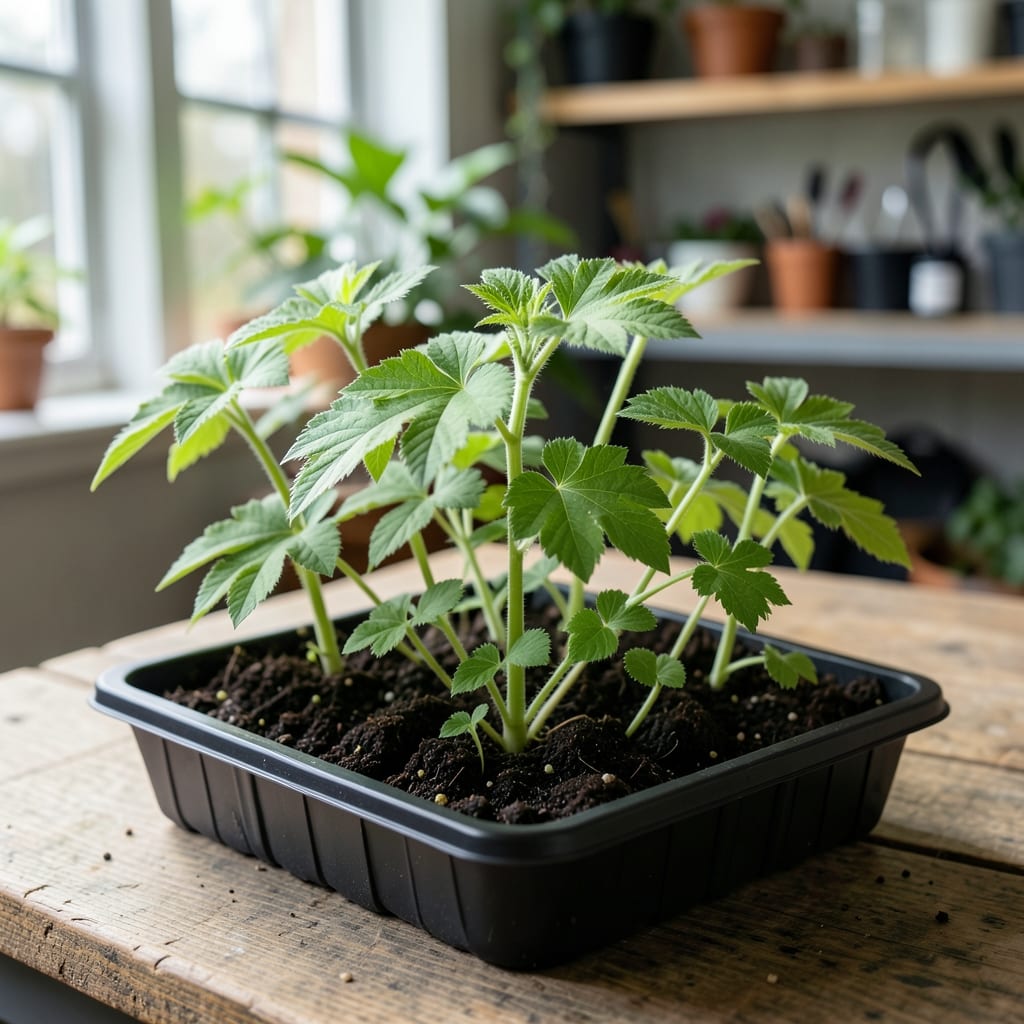
Those first delicate leaves on your cleome seedlings hold all the promise of summer. 🌱 I’ve learned the hard way that getting them past the seedling stage requires just the right balance of light, moisture, and patience.
You’ll see stronger stems and vibrant growth within days when you nail the basics. The key is consistent moisture without soggy soil, and light that mimics their native sunny conditions.
📚 In This Guide
Here’s how I get vibrant, healthy cleome seedlings every time—simple and foolproof.
Begin 6-8 weeks before your last frost date to give cleomes time to establish. Fill seed trays or small pots with a well-draining seed-starting mix. I use a sterile blend to avoid damping-off, which can wipe out seedlings overnight.
Sow seeds ¼ inch deep and space them 1 inch apart. Cleome seeds are large, so you can place them precisely without thinning later. Cover lightly with soil—just enough to hide the seeds from light.
Mist the surface with water until evenly moist but not soggy. A spray bottle prevents dislodging the seeds. You’ll see germination in 10-14 days if kept at 70-75°F.
As soon as seedlings emerge, move them to a spot with 12-16 hours of bright light daily. A south-facing window works, but I swear by a full-spectrum grow light positioned 2-4 inches above the plants. Raise it as they grow to maintain that gap.
Without enough light, seedlings stretch and become leggy. You’ll know they’re happy when stems are thick and sturdy and leaves are a deep green. Rotate trays daily to prevent leaning toward the light source.
Keep the soil consistently moist but never waterlogged. I check daily by pressing my finger into the mix—water when the top inch feels dry. Always water at the base to avoid wetting the leaves, which can invite fungal issues.
Once seedlings develop 2-3 sets of true leaves, start fertilizing with a half-strength liquid fertilizer every 2 weeks. Cleomes are heavy feeders, and this boost encourages lush, healthy foliage.
About 1-2 weeks before transplanting, start hardening off the seedlings. Place them outside in a shaded, sheltered spot for 1-2 hours the first day. Gradually increase time and sun exposure over 7-10 days.
Watch for wilting or leaf burn—if it happens, move them back to shade immediately. Once they tolerate a full day outside without stress, they’re ready for the garden. Transplant on a cloudy day or in the evening to reduce shock.
Space plants 12-18 inches apart in well-draining soil. Cleomes love full sun and will reward you with vigorous growth and those iconic spider-like blooms.
Small adjustments make the difference between spindly, struggling seedlings and the vigorous plants that produce those iconic spider blooms.
Timing Secret: That 6-8 week indoor start isn’t just about frost dates—it’s about giving cleomes enough time to develop strong root systems before facing outdoor conditions. I’ve found that starting at the 8-week mark produces the most robust seedlings for my zone.
The Heat Factor: Maintaining 70-75°F for germination is non-negotiable. I keep my seed trays on top of the refrigerator where it’s consistently warm. If your home runs cooler, a seedling heat mat works wonders to hit that sweet spot for 10-14 day germination.
Light Strategy: The 12-16 hours of bright light in Step 2 prevents the leggy, weak stems that plague so many seed starters. Here’s what nobody tells you—rotate those trays daily. Cleomes will grow toward the light, and without rotation, you’ll end up with a tray of plants all leaning in the same direction.
Hardening Off Hack: That first 1-2 hour outdoor exposure in Step 4 is just the beginning. I learned the hard way that skipping even one day of the 7-10 day hardening process can set seedlings back. Start in deep shade, then gradually move to brighter spots over the week.
Cleome seeds typically germinate in 10-14 days under ideal conditions (70-75°F soil temperature and consistent moisture). Patience is key—some may take up to 3 weeks!
Yellowing often signals overwatering, poor drainage, or nutrient deficiencies. Check soil moisture and ensure pots have drainage holes. A balanced fertilizer can help if the issue persists.
Yes! Start indoors 6-8 weeks before the last frost. Use seed trays with well-draining soil, provide bright light ( grow lights work great), and harden off seedlings before transplanting.
Thin seedlings to 12-18 inches apart once they have 2-3 true leaves. Use scissors to snip unwanted seedlings at soil level to avoid disturbing roots.
They can attract aphids or spider mites. Use insecticidal soap or neem oil for pests. Ensure good airflow to prevent fungal issues like damping-off.