
Beautiful Plants For Your Interior
Beautiful Plants For Your Interior
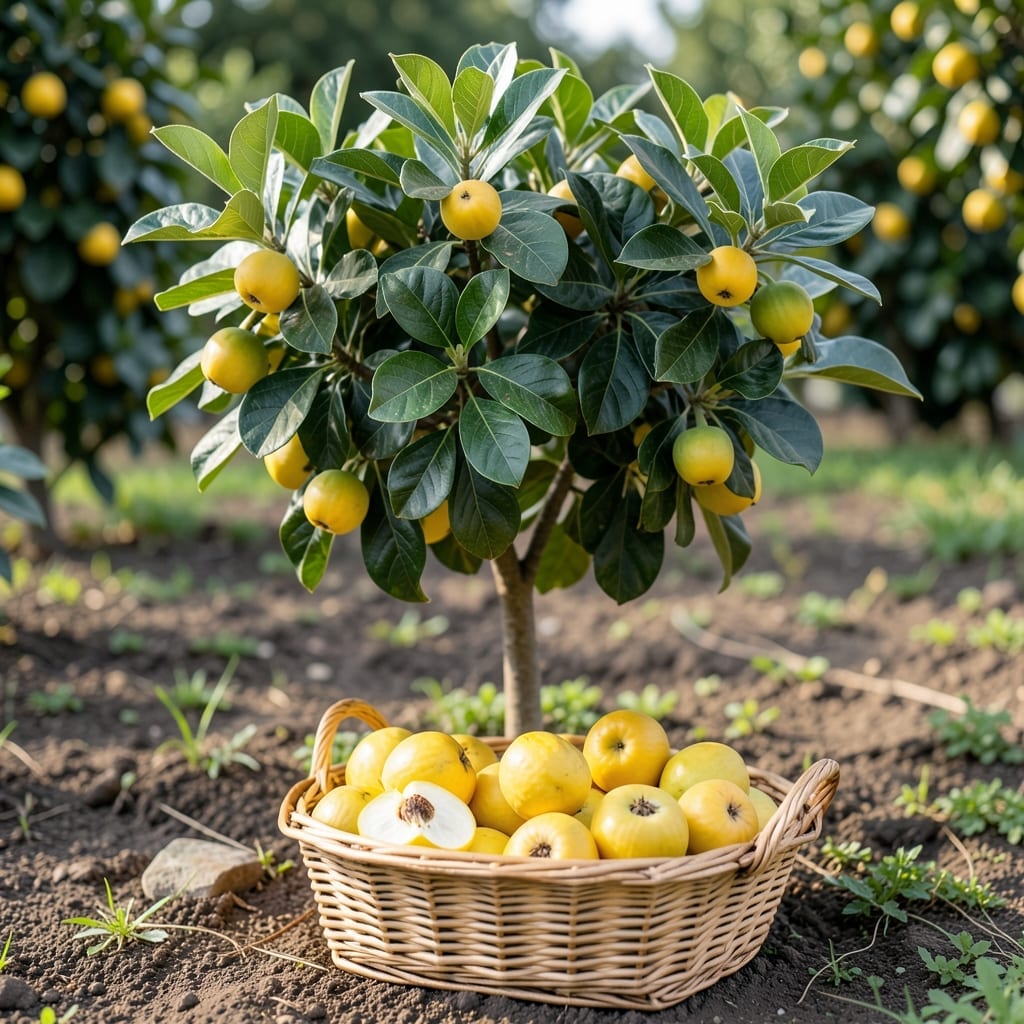
Popular Chinese fruits with white flesh include lychee, longan, and sugar apples. These tropical options offer sweet, juicy interiors with subtle floral or creamy flavors, often used in desserts or eaten fresh.
I love how these fruits bring a unique taste experience that’s hard to find elsewhere. The lychee has a fragrant, almost perfumed quality, while longan leans toward a richer, honey-like sweetness. What’s fascinating is their cultural significance—many are prized in traditional medicine for their cooling properties. 💫
💡 In This Article
These fruits share a delicate balance of sweetness and moisture that sets them apart. Lychee, for example, contains 66% water and natural sugars like fructose and glucose, creating its signature juicy burst. The white flesh is protected by a rough pink shell, which traps the fruit’s floral aroma compounds—primarily linalool and geraniol—until you bite in.
Longan’s texture is slightly firmer than lychee’s, with a smooth, translucent interior. Its sugar content reaches 15-18%, giving it a candy-like sweetness, while the seed in the center adds a subtle bitterness that contrasts beautifully.
Sugar apples, on the other hand, have a custard-like consistency due to their high pectin content, which thickens naturally as the fruit ripens. 🔥
Growing conditions heavily influence their flavor profiles. Lychee thrives in tropical climates with high humidity (60-70%) and temperatures between 68-86°F. Longan prefers similar warmth but can tolerate slightly cooler nights. Sugar apples need well-drained soil and consistent warmth, as even mild frost can damage the tree.
The nutritional profiles are equally impressive. Lychee offers 72mg of vitamin C per 100g, more than an orange. Longan is rich in iron and potassium, while sugar apples provide a good dose of vitamin B6. Each fruit’s white flesh indicates a low acidity level, making them gentle on the stomach compared to citrus-heavy options. ✨
Culturally, these fruits are often used in desserts like lychee jelly or longan tea, where their natural sweetness can shine without added sugar. Their white color symbolizes purity in Chinese tradition, which is why they’re frequently served at celebrations. The texture contrast—juicy, firm, or creamy—adds another layer of appeal for chefs and home cooks alike.
💫
The white flesh indicates low acidity, making them gentler on the stomach. It also signifies high water content (66% in lychee) and natural sweetness from fructose and glucose.
Lychee and longan need USDA zones 10-11, but sugar apples tolerate slightly cooler areas. All require frost-free conditions and well-draining, acidic soil.
Lychee turns bright pink, longan develops a golden-brown shell, and sugar apples soften slightly when pressed. Harvest when they give gently and have full color.
Lychee packs 72mg vitamin C per 100g, longan is rich in iron, and sugar apples provide vitamin B6. All are low-acid and easy to digest.