
Beautiful Plants For Your Interior
Beautiful Plants For Your Interior
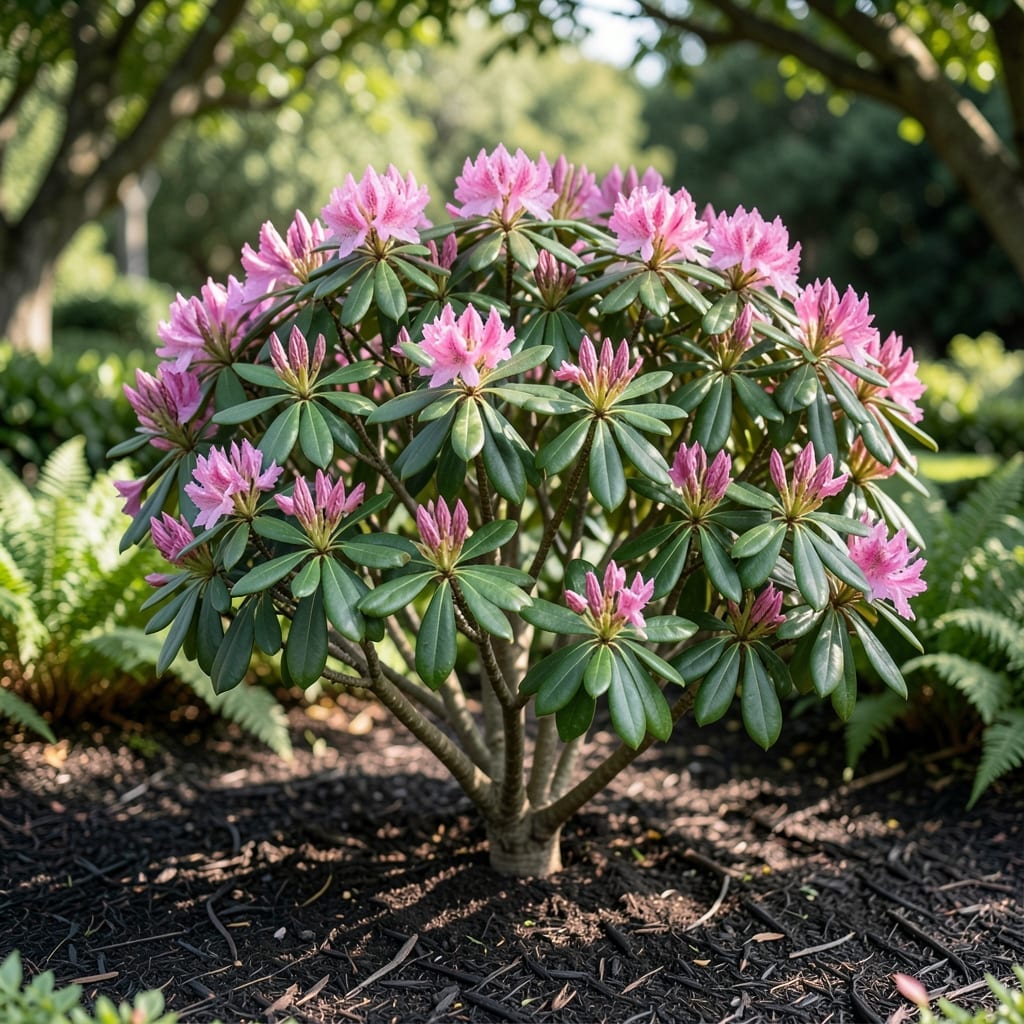
Rhododendrons bring vibrant color to gardens, but their success hinges on replicating their natural habitat. These stunning 🌸 shrubs aren’t just about beauty—they demand specific conditions to truly thrive.
I’ve seen too many gardeners struggle with wilting plants or lackluster blooms. The truth is, most failures come from overlooking simple environmental needs that make all the difference.
From soil pH to sunlight exposure, every detail matters when cultivating these acid-loving plants. The right balance transforms struggling Rhododendrons into showstopping centerpieces.
Discover the exact conditions your 🌸 Rhododendrons crave to flourish in zones 4-8. Let’s create the perfect foundation for your garden’s star performer.
If you want vibrant rhododendrons, the foundation starts with acidic soil. These shrubs demand a pH between 4.5 and 5.5 to absorb nutrients properly. Anything higher causes chlorosis, turning leaves yellow.
I always test my soil first. A simple pH test kit from the garden center works perfectly. If your soil is too alkaline, amend it with elemental sulfur or pine bark fines to lower the pH naturally. 🌱
| Requirement | Specification |
|---|---|
| pH Range | 4.5 to 5.5 |
| Soil Type | Organic-rich, well-draining |
| Amendments | Pine bark, sulfur, peat moss |
| Drainage | Essential to prevent root rot |
| Organic Matter | Compost or leaf mold |
Well-draining soil is non-negotiable for rhododendrons. Their shallow root systems drown easily in soggy conditions. I mix in 30% organic matter like compost or leaf mold to improve structure.
For heavy clay soils, consider planting in raised beds. This gives you control over the soil mix. Fill the bed with a blend of peat moss, pine bark, and perlite for the perfect growing medium.
Avoid using lime or wood ash near rhododendrons. These raise soil pH and can quickly make the environment hostile. I’ve seen healthy plants decline within weeks after accidental lime application.
Mulching helps maintain soil acidity and moisture. Use 2-3 inches of pine needles, oak leaves, or bark chips. These materials slowly break down, adding organic matter and keeping the pH in the ideal range.
If you’re planting multiple rhododendrons, space them 4-6 feet apart. This allows for good air circulation and prevents competition for nutrients. I’ve found this spacing also makes maintenance easier.
Remember, soil preparation is a one-time investment that pays off for years. Take the time to get it right, and your rhododendrons will reward you with lush foliage and spectacular blooms. 🌿
Finally, test your soil every 2-3 years. pH can change over time, especially in areas with hard water. A quick test ensures your rhododendrons continue to thrive in their ideal conditions.
Rhododendrons flourish in partial shade, thriving with 4-6 hours of filtered sunlight daily. Morning sun with afternoon shade is ideal, protecting leaves from harsh rays that can scorch them.
These shrubs prefer USDA zones 4-8, where temperatures stay moderate. In hotter climates, dappled shade under tall trees creates the perfect microclimate for vibrant blooms.
In zone 4, winter mulch protects roots from freeze-thaw cycles. I always add 2-3 inches of pine bark around the base for insulation.
For gardeners in warmer zones, afternoon shade becomes non-negotiable. I’ve seen rhododendrons wilt in full sun, but they bounce back quickly with proper shade.
East-facing exposures often provide the best balance of light. My own rhododendrons under oak trees produce the most vibrant blooms with this setup.
Remember, even in ideal zones, microclimates matter. A north-facing wall or tree canopy can create perfect conditions where others fail. ✂️