
Beautiful Plants For Your Interior
Beautiful Plants For Your Interior
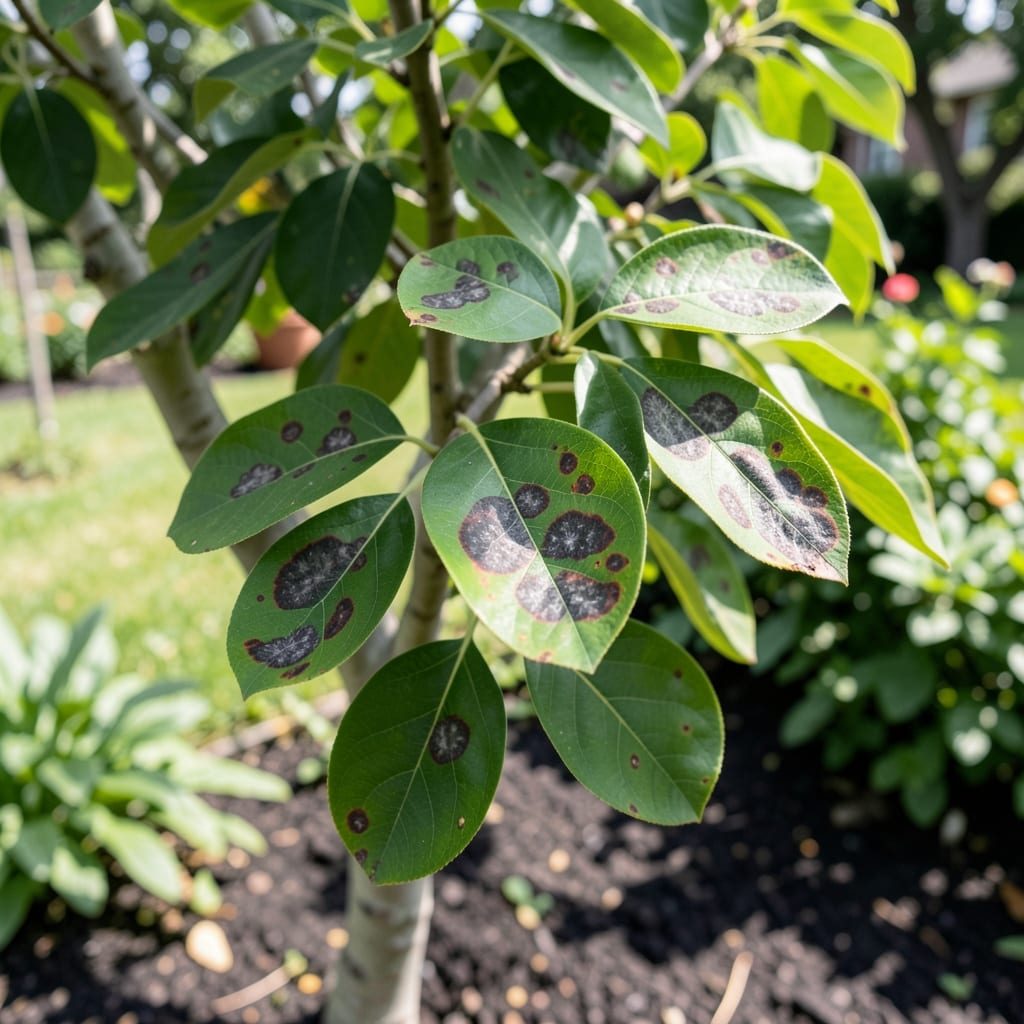
Spotted leaves on your crepe myrtle aren’t just unsightly—they’re a warning sign. I first noticed the purple-brown splotches on my own plants after a particularly wet spring, and learned this fungus spreads fast in humid conditions.
This issue starts with tiny spots that grow into larger patches, eventually yellowing and dropping leaves prematurely. The good news? It’s rarely fatal, but it weakens your plants and ruins their summer beauty. I’ve found early action makes all the difference.
You can control it without harsh chemicals using simple cultural practices. Better air circulation, proper watering habits, and seasonal cleanup break the disease cycle naturally. My crepe myrtles now stay spot-free most years.
Works for any variety, any garden size. Here’s what to do first.
Cercospora leaf spot on crepe myrtles is primarily driven by environmental conditions and fungal biology. Here’s why it happens:
The fungus Cercospora thrives in wet, humid environments. Prolonged leaf wetness—from rain, irrigation, or dew—creates the perfect breeding ground. Overhead watering or poor air circulation (common in dense plantings) keeps foliage damp, accelerating spore germination and infection.
Cercospora spores activate in temperatures between 75–85°F (24–29°C). Crepe myrtles in hot, humid climates (like the Southern U.S.) are especially vulnerable during summer. Heat stress weakens plants, making them more susceptible to fungal invasion.
Some crepe myrtle cultivars lack genetic resistance to Cercospora. Darker-leafed varieties (e.g., ‘Black Diamond’) often show more severe symptoms. Older or stressed trees with compromised immune systems are also at higher risk.
The fungus overwinters in fallen leaves and plant debris. If infected material isn’t removed, spores can reinfect new growth in spring. Pruning tools or hands contaminated with spores can also spread the disease between plants.
Over-fertilization (especially with nitrogen) promotes lush, soft growth that’s more prone to fungal attacks. Conversely, potassium or phosphorus deficiencies weaken plant defenses, leaving crepe myrtles vulnerable.
Dealing with cercospora leaf spot on your crepe myrtle doesn’t have to be overwhelming. Below are practical, easy-to-follow solutions tailored to common causes, along with prevention tips to keep your plants thriving. 🌿
Cause: Poor airflow creates a humid environment where the fungus thrives.
Fix: Prune nearby branches or surrounding plants to allow better ventilation. Space crepe myrtles at least 6–10 feet apart when planting. Thin out dense foliage in the center of the plant to reduce moisture buildup.
Prevention Tip: 💡 Regularly trim overgrown areas to maintain good airflow year-round.
Cause: Overhead watering or excessive rainfall keeps leaves wet, encouraging fungal growth.
Fix: Water at the base of the plant using a drip irrigation system or soaker hose to keep leaves dry. Avoid watering in the late afternoon or evening when leaves won’t dry quickly.
Prevention Tip: 🌧️ If rainfall is frequent, consider using a fungicide labeled for Cercospora as a preventive measure during wet seasons.
Cause: Fungal spores overwinter in fallen leaves and debris, reinfecting the plant in spring.
Fix: Rake and dispose of infected leaves immediately—do not compost them, as this can spread the fungus. Prune heavily infected branches and sanitize pruning tools with rubbing alcohol between cuts.
Prevention Tip: ✨ Clean up leaf litter around the base of the plant regularly, especially in fall and early spring.
Cause: Severe or recurring infections may require chemical intervention.
Fix: Apply a copper-based fungicide or neem oil (organic option) at the first sign of leaf spots. Follow label instructions for timing and dosage. Repeat applications every 7–14 days during wet periods.
Prevention Tip: 🎯 Rotate fungicides to prevent resistance, and always apply in the early morning for best results.
Cause: Stressed or weak plants are more susceptible to disease.
Fix: Fertilize with a balanced, slow-release fertilizer to promote vigorous growth. Ensure the plant receives full sun (at least 6 hours daily) and is planted in well-draining soil.
Prevention Tip: 💪 Mulch around the base to retain moisture and suppress weeds, but avoid piling mulch against the trunk.
Look for small purple or brown spots on leaves that grow larger with gray centers. Leaves may yellow and drop prematurely. Check the undersides for matching spots.
Rarely. While it weakens the plant and reduces flowering, it’s usually not fatal. Severe, untreated cases over several years may stress the plant enough to cause decline.
Yes! A baking soda solution (1 tablespoon per gallon of water) can help. Apply weekly at first sign of spots. Neem oil is another effective organic option.
Start at the first sign of spots, usually in early summer. Treat every 7-14 days during wet periods. Early morning applications work best.