
Beautiful Plants For Your Interior
Beautiful Plants For Your Interior
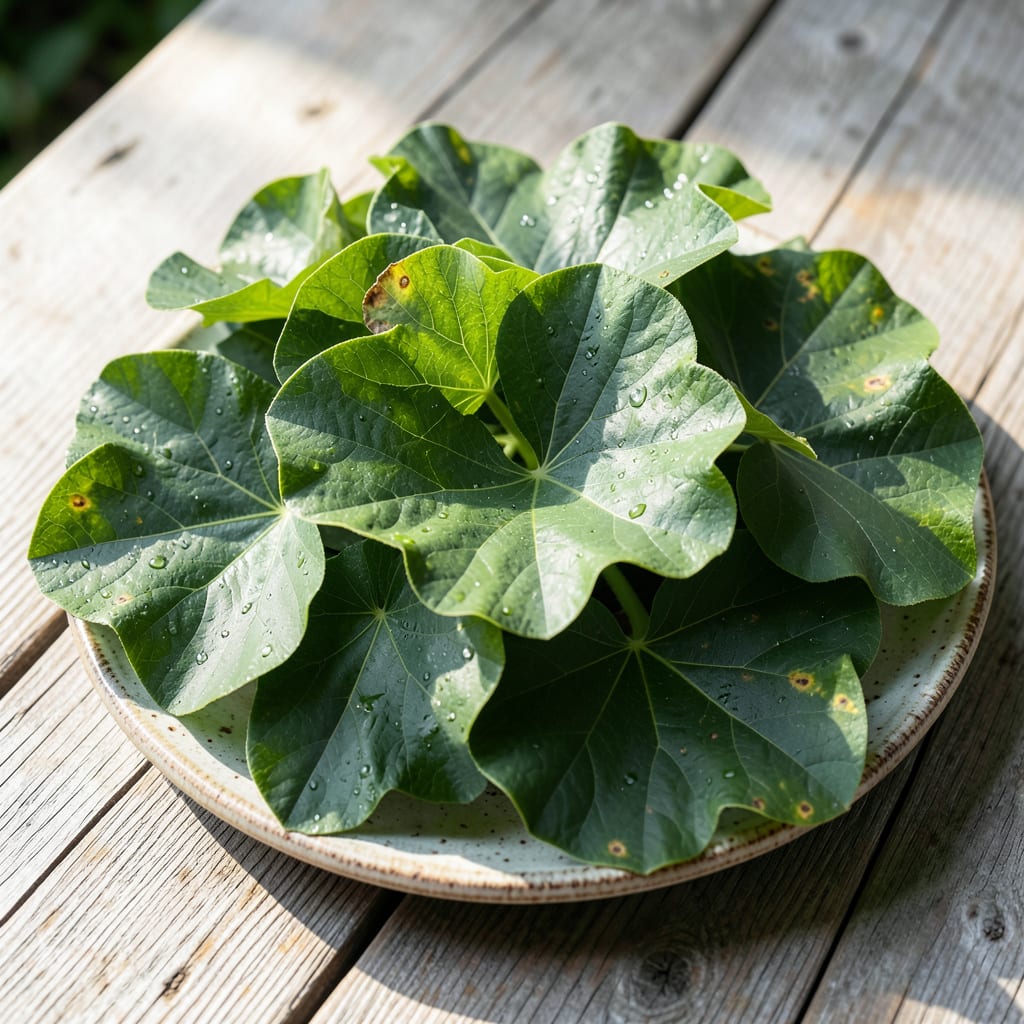
Yellowing leaves on your Black Diamond watermelon vines can signal trouble. I’ve seen firsthand how quickly a small issue can spread through an entire patch if not caught early.
Whether it’s spots, curling, or wilting, each symptom tells a story about what your plants need. The good news? Most problems have simple organic solutions that restore health within a week or two.
📚 In This Guide
Here’s the method I rely on to diagnose and treat leaf issues on your watermelon plants effectively.
Start by closely inspecting the leaves for specific patterns. Yellowing between the veins often signals iron deficiency, while brown spots with yellow halos may indicate fungal disease. I always check both the top and underside of leaves—pests like spider mites often hide beneath.
Note the progression too. If yellowing starts at the base and moves upward, it’s typically a nitrogen deficiency. Sudden wilting accompanied by black spots usually means bacterial leaf spot. This visual diagnosis is your first critical step toward the right solution.
Watermelons need full sun and consistent moisture. Leaves turning yellow with crispy edges often result from under-watering or excessive heat. I check the soil 2 inches down—if it’s bone dry, your plants need water immediately.
Conversely, yellowing leaves with soft stems usually indicate over-watering or poor drainage. Black Diamond watermelons are particularly sensitive to wet feet. Ensure your plants receive 1-2 inches of water per week, adjusting for rainfall and temperature spikes above 90°F.
Use a soil test kit to check pH and nutrient levels. Black Diamonds prefer slightly acidic soil between 6.0-6.8 pH. If your soil is too alkaline, I amend with elemental sulfur or compost. For nitrogen deficiency, a side dressing of composted manure works wonders.
For fungal issues, improve air circulation by spacing plants 3-4 feet apart. A copper-based fungicide applied weekly can stop spread, but I prefer preventive measures like crop rotation and removing infected debris immediately. Always apply treatments in the early morning when leaves are dry.
Common pests like aphids and cucumber beetles can stress plants, leading to leaf discoloration. I spray a neem oil solution every 5-7 days at first sign of infestation. For severe cases, introduce beneficial insects like ladybugs—they’re natural predators that keep pest populations in check.
Physical barriers work too. Floating row covers protect young plants from beetles, but remember to remove them when flowers appear for pollination. Hand-picking larger pests in the early morning when they’re sluggish is surprisingly effective and chemical-free.
After implementing solutions, watch your plants closely for 3-5 days. New growth should show improvement if you’ve addressed the root cause. I keep a garden journal to track what works—patterns often emerge across seasons that help prevent future issues.
Prevention is always better than cure. Maintain consistent watering, rotate crops annually, and practice good sanitation by removing plant debris. These habits create an environment where Black Diamond watermelons thrive with minimal leaf problems.
These practical insights will help you diagnose and treat leaf problems with confidence.
Diagnostic Precision: In Step 1, pay special attention to where the discoloration appears on the leaves. Yellowing between veins often means iron deficiency, while brown spots with yellow halos typically signal fungal disease. I always use a magnifying glass to check for tiny pests on the undersides—they’re easy to miss with the naked eye.
Moisture Balance: For Step 2, remember that Black Diamond watermelons hate “wet feet.” If the soil feels soggy at that 2-inch depth, you’re likely over-watering. Conversely, if it’s bone dry, increase your watering immediately. The 1-2 inches per week guideline is your best defense against both under- and over-watering.
Prevention Over Treatment: In Step 3, I’ve found that spacing plants 3-4 feet apart does more than just improve air circulation—it also reduces competition for nutrients. For soil amendments, elemental sulfur works quickly for pH adjustment, but compost offers the added benefit of improving soil structure over time.
Timing Matters: When applying treatments in Step 4, that early morning window is crucial. Leaves are dry from overnight dew, and temperatures are cooler, which reduces the risk of burning your plants. For neem oil, sticking to that 5-7 day schedule prevents pests from establishing a foothold.
Yellowing leaves often indicate nutrient deficiencies (like nitrogen) or overwatering. Check soil moisture and fertilize with a balanced organic mix if needed.
Water deeply 1-2 times per week, ensuring the top inch of soil is dry between waterings. Avoid wetting the leaves to prevent fungal issues.
Spray a mix of 1 tsp baking soda + 1 quart water + a few drops of dish soap. Neem oil also works well as a preventative.
Yes! Use a large container (5+ gallons) with well-draining soil. Ensure the vines have support or space to sprawl.
Prune side shoots after the main vine reaches 1-2 feet to direct energy toward fruit. Avoid over-pruning, as it can stress the plant.
