
Beautiful Plants For Your Interior
Beautiful Plants For Your Interior
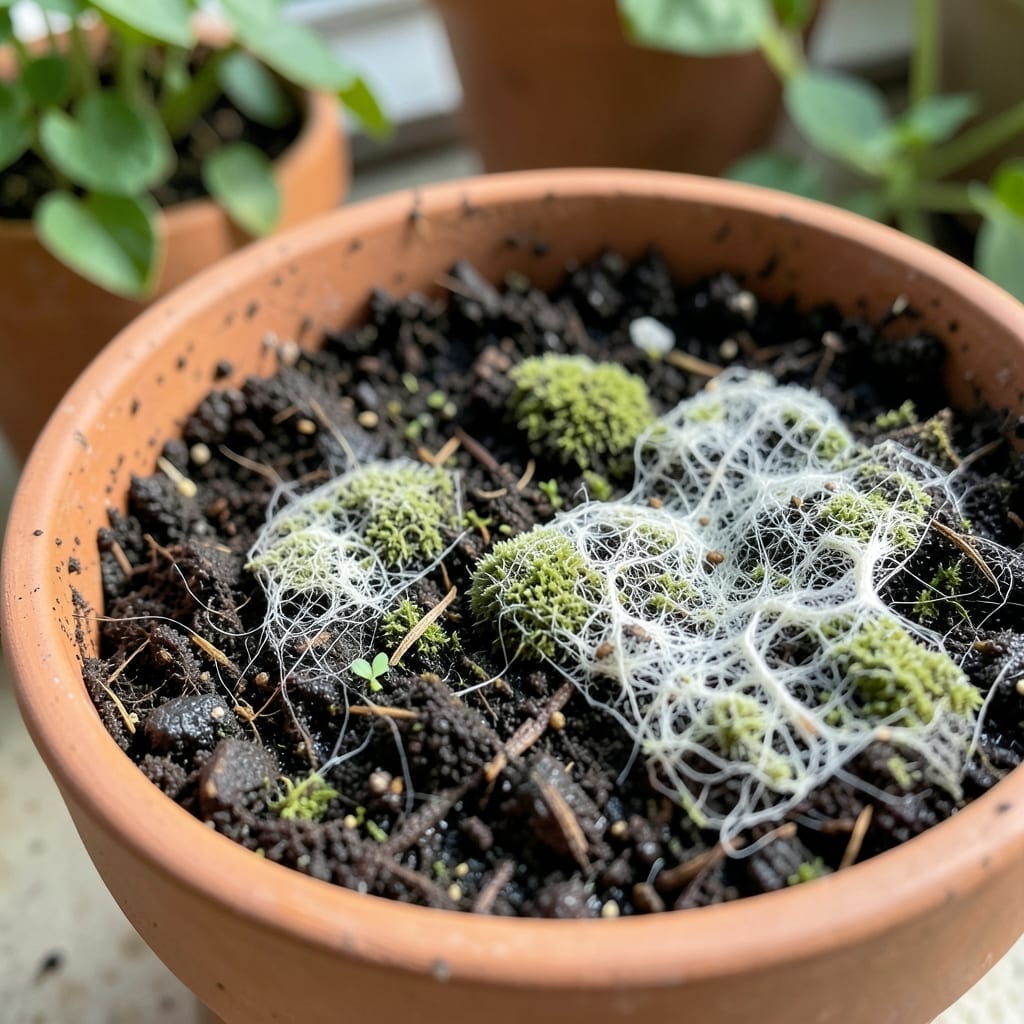
That white fuzz on your soil isn’t just unsightly—it can harm your plants. I’ve lost seedlings to soil mold and learned the hard way that prevention starts with proper watering habits and good airflow.
Overwatering and poor drainage create the perfect environment for mold to thrive. The solution isn’t complicated: adjust your watering schedule, improve ventilation, and consider a natural fungicide like neem oil for stubborn cases.
Healthy soil means stronger plants that resist disease and grow vigorously. You’ll notice the difference within a week of making these simple changes—leaves stay green, stems stay firm, and growth accelerates.
Works for houseplants, seed starts, or garden beds. Here’s how to keep your soil mold-free and your plants thriving.
Soil mold thrives under specific conditions, often signaling an imbalance in your garden’s ecosystem. Understanding the root causes helps you take targeted action to restore soil health and protect your plants. Below are the primary reasons mold appears in soil.
Overwatering or poor drainage creates a damp environment where mold spores flourish. Soil that stays soggy lacks oxygen, which stifles beneficial microbes and invites fungal growth. Action: Improve drainage with perlite or sand, and water only when the top inch of soil feels dry.
Decaying leaves, wood chips, or uncomposted plant material provide a feast for mold. As these materials break down, they release nutrients that fuel fungal activity. Action: Remove visible debris and turn the soil regularly to speed up decomposition and reduce mold-friendly pockets.
Mold spores multiply rapidly in temperatures between 70–90°F (21–32°C) with high humidity. Greenhouses or shaded areas with limited airflow are hotspots. Action: Increase ventilation, use a fan for air circulation, or apply a thin layer of cinnamon (a natural antifungals) to the soil surface.
Compacted or nutrient-poor soil weakens plant roots, making them more susceptible to mold. Heavy clay soils, in particular, retain moisture and suffocate beneficial organisms. Action: Amend soil with compost or neem cake to boost microbial diversity and improve structure.
Overuse of synthetic fertilizers or pesticides can disrupt the soil’s natural microbiome, allowing mold to dominate. These chemicals may kill off beneficial fungi and bacteria that normally keep mold in check. Action: Switch to organic fertilizers like neem oil or compost tea to restore balance.
Dealing with soil mold doesn’t have to be complicated. Below are targeted solutions based on the most common causes, along with prevention tips to keep your plants thriving.
If excess moisture is the culprit, start by reducing watering frequency and ensuring your pots have drainage holes. Repot plants in well-draining soil mixed with perlite or sand. For existing mold, gently scrape off the top layer of soil and replace it with fresh, dry mix. Prevention tip: 💡 Water only when the top inch of soil feels dry.
Mold thrives on decaying leaves and plant matter. Clear away fallen leaves, twigs, or dead plant material from the soil surface. If the mold persists, remove the topsoil layer and replace it with a clean, sterile mix. Prevention tip: ✨ Keep the area around your plants tidy and free of debris.
Stagnant air traps moisture, creating a perfect mold environment. Move potted plants to a breezy spot or use a small fan to improve airflow. For garden beds, thin out dense plantings to allow better circulation. Prevention tip: 🎯 Space plants appropriately and prune overgrowth regularly.
If mold is widespread, treat the soil with natural fungicides like neem oil or a baking soda solution (1 tsp baking soda per quart of water). Spray lightly on the soil surface, avoiding direct contact with plant stems. Prevention tip: 🌿 Sterilize garden tools and pots between uses to prevent cross-contamination.
It often appears as white, gray, or black fuzzy patches on the surface. Some types may look powdery or slimy. Check for musty odors too, which signal active growth beneath the surface.
Mild cases rarely kill plants but can stunt growth by competing for nutrients. Severe infestations may rot roots or spread disease. Young seedlings are most vulnerable to damage.
Yes, after treating it. Remove visible mold, then bake soil at 200°F for 30 minutes to kill spores. Let it cool before reuse. Sterilizing prevents future outbreaks.
Use sterile seed-starting mix and avoid overwatering. Cover trays with plastic domes but remove them once sprouts appear. Ensure good airflow with a small fan.