
Beautiful Plants For Your Interior
Beautiful Plants For Your Interior
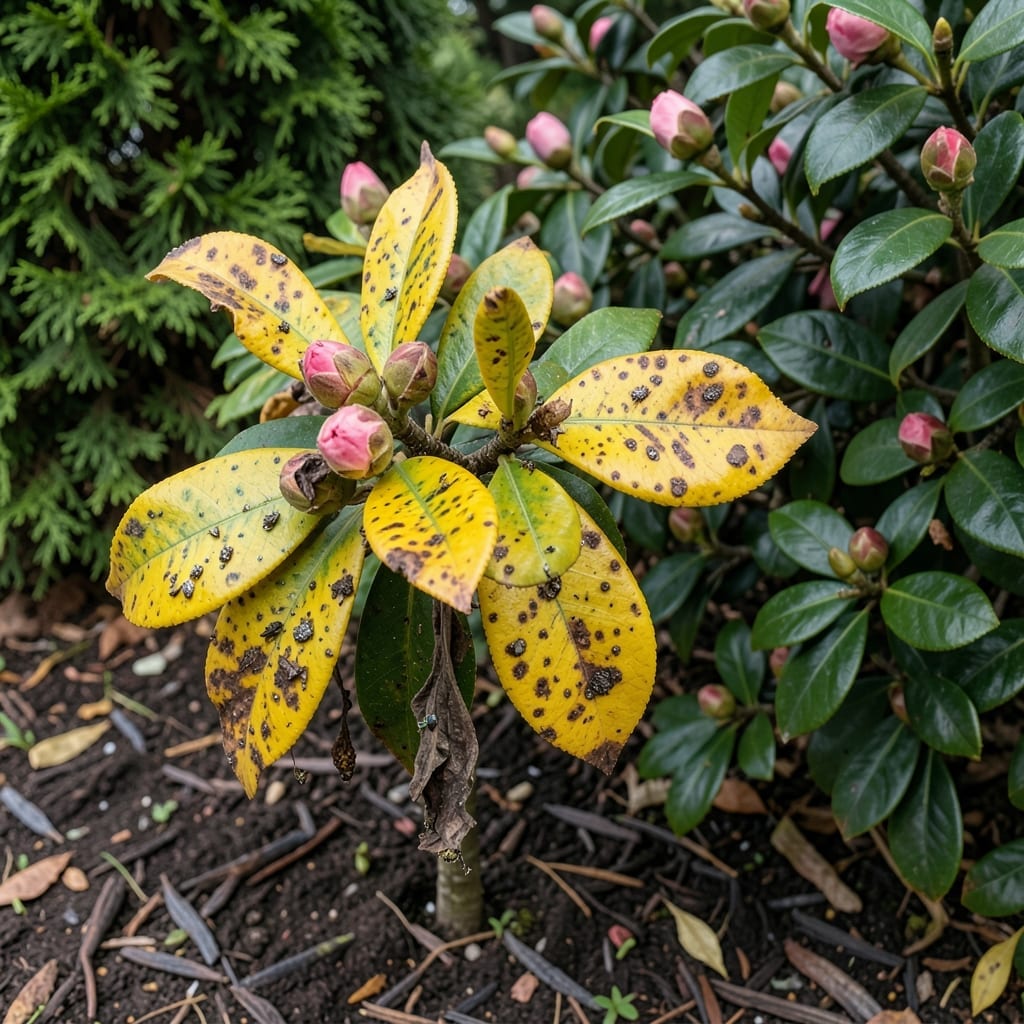
Yellow leaves on your camellia aren’t just ugly—they’re a distress signal. I’ve nursed my share back from the brink, and the fixes are simpler than you’d think.
Most issues trace back to 3 common culprits: water stress, soil pH, or sneaky pests. Overwatering drowns roots, while drought turns leaves crispy. Wrong pH locks out nutrients no matter how much you fertilize.
Catch it early and you can reverse the damage. My camellias bounced back within 2-3 weeks once I adjusted their conditions. The key is matching the symptom to the solution.
Works for potted or in-ground plants, new or established. Here’s how to diagnose and fix it for good.
Camellia plants are beloved for their glossy foliage and vibrant blooms, but they can develop issues like yellowing leaves or wilting when faced with stress. Understanding the root causes helps you address them effectively. Below are the most common reasons behind these camellia plant problems.
Camellias thrive in stable, moderate conditions. Sudden temperature swings, especially frost or extreme heat, can shock the plant, leading to leaf yellowing (chlorosis) or wilting. These plants prefer USDA zones 7-9 and may suffer if exposed to temperatures below 10°F (-12°C) or above 90°F (32°C) for prolonged periods.
Overwatering or underwatering disrupts the plant’s ability to absorb nutrients. Root rot from soggy soil causes wilting and yellow leaves, while drought stress leads to crispy, discolored foliage. Camellias prefer moist but well-draining soil—aim for consistent moisture without waterlogging.
Camellias are acid-loving plants, requiring a soil pH between 5.5 and 6.5. If the pH is too high (alkaline), essential nutrients like iron become unavailable, causing interveinal chlorosis (yellowing between leaf veins). Test your soil and amend with sulfur or peat moss if needed.
Common pests like scale insects, spider mites, or aphids sap nutrients from leaves, leading to discoloration. Fungal diseases such as root rot or leaf gall can also cause wilting. Regularly inspect leaves and stems, and treat infestations with horticultural oil or fungicides.
A lack of key nutrients—particularly iron, magnesium, or nitrogen—can trigger yellowing. Iron deficiency often appears as yellow leaves with green veins, while nitrogen deficiency causes uniform pale yellowing. Use a balanced, acid-forming fertilizer to restore vitality.
Dealing with camellia plant problems doesn’t have to be daunting. Below are practical, step-by-step solutions to common issues, along with prevention tips to keep your plant thriving.
Fix: Test the soil pH (ideal range: 5.5–6.5). If too alkaline, amend with sulfur or peat moss. For iron deficiency, apply a chelated iron supplement. Feed with a balanced, acid-loving plant fertilizer (e.g., 10-10-10) every 4–6 weeks during growing season.
Prevent: Regularly check soil pH and fertilize in early spring before new growth starts. Avoid over-fertilizing, which can burn roots.
Fix: Stick your finger 2 inches into the soil. If dry, water deeply until it drains from the bottom. If soggy, stop watering and let the soil dry out. For root rot, trim blackened roots and repot in fresh, well-draining soil.
Prevent: Use a moisture meter to monitor soil. Water consistently—about 1–1.5 inches per week—and ensure pots have drainage holes.
Fix: Spray leaves with a neem oil solution (1 tbsp oil + 1 tsp dish soap per gallon of water) or insecticidal soap. For severe infestations, remove heavily affected leaves and repeat treatment every 5–7 days.
Prevent: Keep foliage clean by misting leaves and removing dust. Introduce beneficial insects like ladybugs for natural pest control.
Fix: Move potted camellias to a spot with dappled shade or morning sun. For in-ground plants, use shade cloth to filter intense afternoon light.
Prevent: Acclimate plants gradually to sunlight changes. Ensure they receive 2–4 hours of direct sun daily, with protection during peak heat.
This is classic iron deficiency, often caused by alkaline soil. Test your soil pH and amend with sulfur or peat moss to lower it to 5.5-6.5. A chelated iron supplement can provide quick relief.
Water when the top 2 inches of soil feel dry, typically 1-1.5 inches per week. Always use well-draining soil and pots with drainage holes to prevent root rot.
Yes! Treat with neem oil or insecticidal soap every 5-7 days until pests are gone. Regular leaf cleaning and introducing beneficial insects can prevent future outbreaks.