
Beautiful Plants For Your Interior
Beautiful Plants For Your Interior
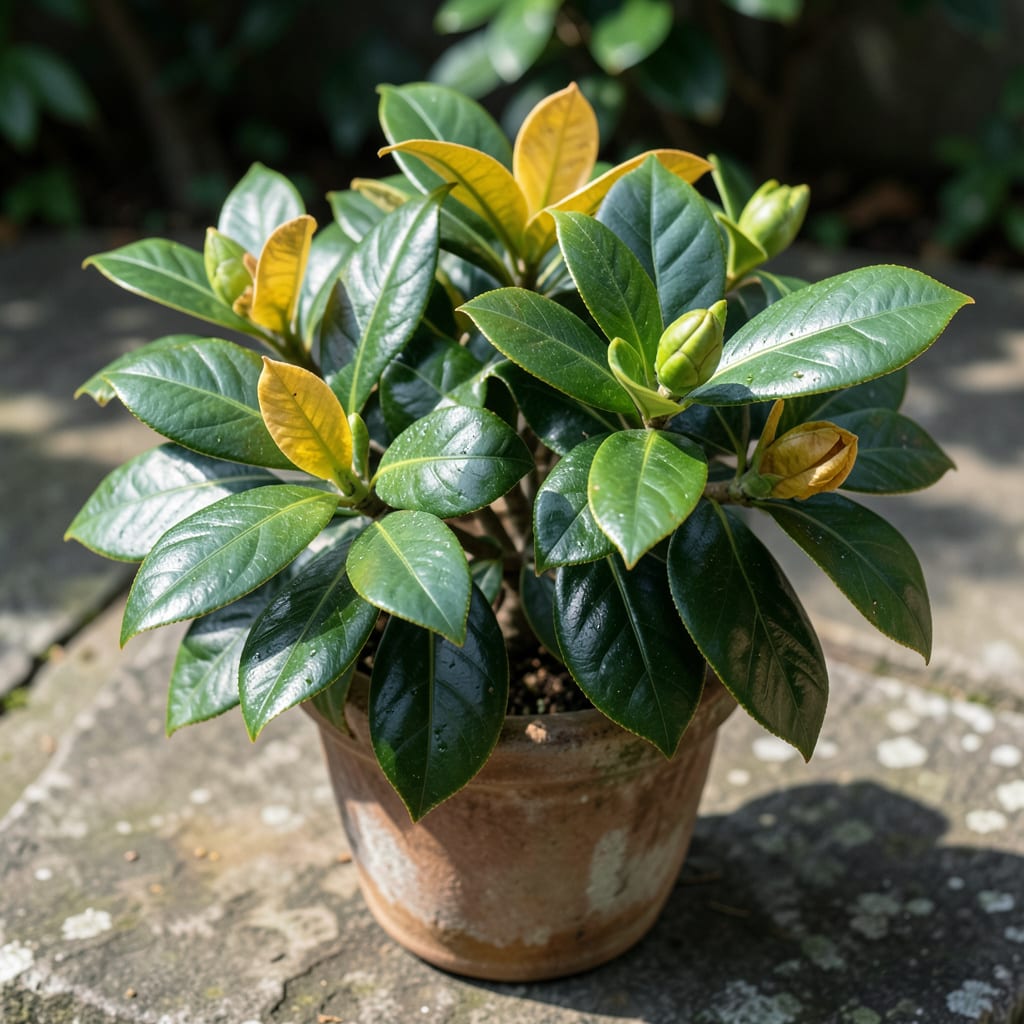
Yellow leaves on your camellia aren’t a death sentence. I’ve nursed dozens back to health, and the fix usually comes down to two culprits: too much water or not enough food.
Overwatering drowns roots while nutrient deficiencies starve them. Both show up as yellowing, but the patterns differ. Soggy soil means rot; pale veins scream for iron or nitrogen. Simple tests confirm which you’re dealing with.
Once diagnosed, solutions are straightforward. Adjust your watering schedule, switch to a balanced fertilizer, or improve drainage. Most plants bounce back within 2-3 weeks of the right treatment.
Prevention is easier than cure. Consistent care, well-draining soil, and regular feeding keep camellias vibrant green year-round. Here’s how to spot the difference and act fast.
Camellia leaves turning yellow often signal underlying issues that disrupt their health. Below are the most common causes, explained with actionable insights.
Excess water suffocates roots, preventing oxygen uptake. This leads to root rot, where fungal pathogens like Phytophthora thrive in soggy soil. Yellowing starts at the lower leaves as roots fail to absorb nutrients. Fix: Ensure pots have drainage holes and use well-draining, acidic soil (pH 5.5–6.5). Water only when the top inch of soil is dry.
Camellias are acid-loving plants. A lack of iron (interveinal yellowing on new leaves) or magnesium (yellowing between veins on older leaves) often points to alkaline soil. Nitrogen deficiency causes uniform pale yellow leaves. Fix: Apply a balanced, acid-forming fertilizer (e.g., 10-10-10 for nitrogen) or chelated iron supplements.
Too much direct sunlight can scorch leaves, while insufficient light weakens the plant, both leading to chlorosis (yellowing). Sudden temperature drops or frost damage also trigger stress responses. Fix: Provide dappled shade (especially in hot climates) and protect from extreme cold with mulch or frost cloth.
Sap-sucking pests like scale insects or spider mites drain nutrients, causing stippling or widespread yellowing. Check leaf undersides for webbing or sticky residue (honeydew). Fix: Spray with neem oil or insecticidal soap, and prune heavily infested areas.
Leaf gall or root rot (from Phytophthora or Pythium) disrupts water and nutrient flow. Yellow leaves may appear wilted or spotted. Fix: Remove infected leaves, improve airflow, and apply fungicides like copper sulfate for severe cases.
Don’t panic—your camellia can bounce back! Here’s how to tackle the most common causes of yellowing leaves with simple, actionable fixes.
If soggy soil is the culprit, stop watering immediately and let the top 2 inches of soil dry out. Check drainage: repot the plant in fresh, well-draining soil if roots are waterlogged or mushy. Use a pot with drainage holes to prevent future issues.
Prevention: Water only when the topsoil feels dry. A moisture meter 🌡️ can help avoid guesswork.
Yellow leaves often signal a lack of nitrogen, iron, or magnesium. Apply a balanced, acid-forming fertilizer (like 10-10-10) every 4–6 weeks during growing season. For iron deficiency (yellowing between veins), use chelated iron or amend soil with sulfur to lower pH.
Prevention: Test soil pH annually (aim for 5.5–6.5). Add compost 🎯 for a steady nutrient supply.
Camellias prefer partial shade. If leaves scorch or yellow from excessive sun, move the plant to a spot with dappled light or use shade cloth. Prune nearby branches if direct sunlight is unavoidable.
Prevention: Observe light patterns—morning sun is gentler than harsh afternoon rays. ✨
Inspect leaves for pests like spider mites or scale. Wipe leaves with neem oil or insecticidal soap weekly until pests are gone. For fungal issues (e.g., root rot), trim affected roots and repot in sterile soil.
Prevention: Keep foliage dry and improve air circulation to deter pests and fungi.
Water when the top 1-2 inches of soil feels dry. Overwatering is a common cause of yellow leaves, so ensure good drainage and avoid soggy soil.
Use an acid-forming, balanced fertilizer like 10-10-10. For iron deficiency, apply chelated iron or amend soil with sulfur to lower pH to 5.5-6.5.
Yes, direct sunlight can scorch leaves. Camellias thrive in dappled shade, especially in hot climates. Move to a shadier spot if leaves appear scorched.
Wipe leaves with neem oil or insecticidal soap weekly. Check undersides for spider mites or scale, and prune heavily infested areas.
