
Beautiful Plants For Your Interior
Beautiful Plants For Your Interior
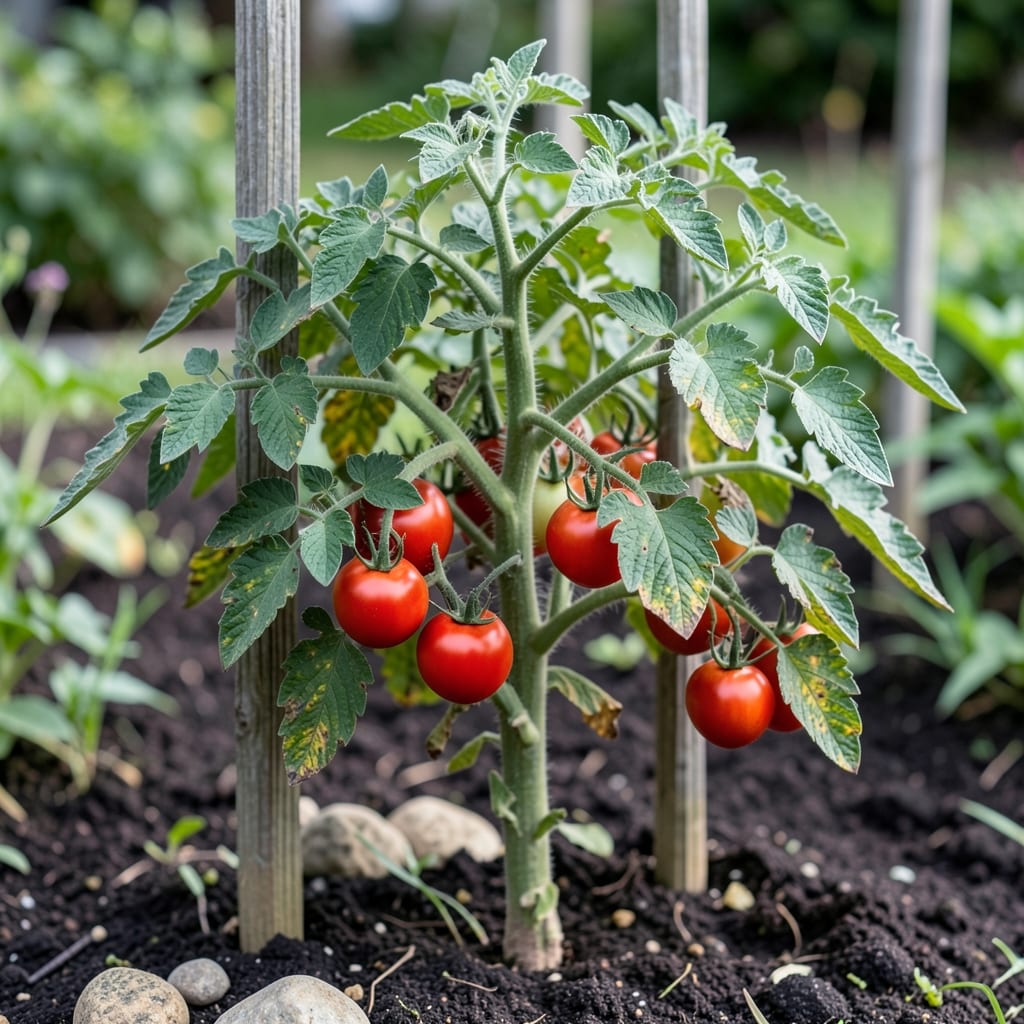
That sinking feeling when your tomato leaves start curling. I’ve seen it happen to the best of us—one day your plants look healthy, the next they’re showing those telltale spots and stunted growth.
Turns out, calcium deficiency is sneaky. It often shows up first on new growth, with distorted leaves and brown edges. The real kicker? It’s not always about lacking calcium in your soil.
I fixed this in my garden by adjusting watering habits and adding a simple organic amendment. The difference showed in 7-10 days with new growth looking normal again.
Works for container plants too, and prevents blossom end rot before it starts. Here’s what to watch for and how to act fast.
Calcium deficiency in tomato plants often stems from several key factors that disrupt nutrient uptake or availability. Understanding these causes helps you address the issue effectively.
Soils with low pH (acidic) or high salt concentrations can limit calcium absorption. Tomato plants thrive in slightly acidic to neutral soil (pH 6.0–6.8). When pH drops below 5.8, calcium becomes less soluble, making it harder for roots to access. Similarly, excessive salts from fertilizers or irrigation water can compete with calcium uptake.
Fluctuations in soil moisture—especially drought followed by heavy watering—disrupt calcium transport. Calcium moves through the plant via water flow, so uneven watering leads to uneven distribution, causing deficiencies in fast-growing tissues like new leaves and fruit. Mulching can help stabilize moisture levels.
During periods of rapid growth (e.g., flowering or fruiting), tomato plants may outpace their ability to absorb calcium. This is common in heatwaves or after a heavy nitrogen fertilizer application, which spurs leafy growth but dilutes calcium in the plant’s tissues. Balanced fertilization is key.
Low soil temperatures (<50°F/10°C) slow root activity, reducing calcium uptake. Similarly, waterlogged soil suffocates roots, impairing their ability to absorb nutrients. Ensure proper drainage and avoid planting tomatoes too early in cold seasons.
Excessive potassium, magnesium, or ammonium in the soil can block calcium absorption. For example, high potassium levels (common in tomato fertilizers) compete with calcium for root uptake sites. Regular soil testing helps maintain a balanced nutrient profile.
Calcium deficiency in tomatoes is fixable with the right approach. Here’s how to tackle each common cause and prevent future issues:
Add crushed eggshells, gypsum, or lime to the soil. Eggshells release calcium slowly, while gypsum works faster. Lime also adjusts pH if the soil is too acidic. Work these into the top 6 inches of soil for best results.
Calcium moves through water, so inconsistent moisture disrupts uptake. Water deeply 1-2 times per week (more in heat) and use mulch to retain moisture. Avoid overhead watering to prevent blossom end rot triggers.
Test your soil—calcium is less available if pH drops below 6.0. Add dolomitic lime to raise pH and boost calcium. Re-test after 2-3 months to adjust as needed.
Rapid growth can outpace calcium supply. Use a balanced, calcium-rich fertilizer (like 10-10-10 with added Ca). Foliar sprays (e.g., calcium chloride) can provide a quick fix for active deficiencies.
Prevention Tips:
Watch for distorted new leaves with brown edges and stunted growth. Blossom end rot on fruit is another clear indicator. These symptoms often appear first on the youngest growth.
Yes! Crush and bury eggshells near roots for slow-release calcium. For faster results, mix 1 tablespoon of calcium chloride in 1 gallon of water for a foliar spray.
With proper treatment, new growth should look normal within 7-10 days. Existing damaged leaves won’t heal, but the plant will produce healthy new ones.
Excess calcium can create imbalances with other nutrients like magnesium. Always test soil first and follow application rates for amendments.