
Beautiful Plants For Your Interior
Beautiful Plants For Your Interior
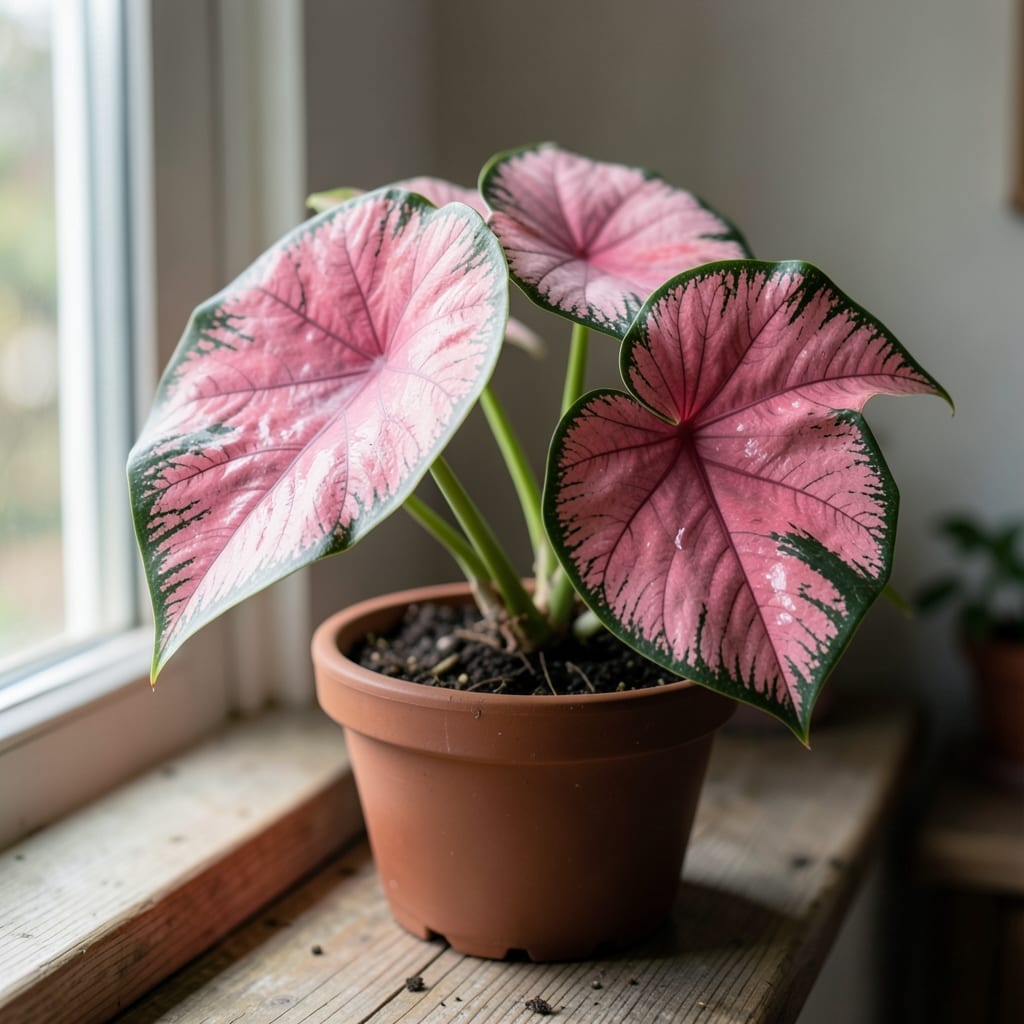
Your caladium’s drooping leaves aren’t a death sentence. I’ve saved plenty by catching the signs early—usually it’s too much water or not enough.
Overwatering drowns roots, while dry soil stresses them. Check the top inch: if it’s soggy, hold off on watering. Yellow leaves often scream “back off with the can.”
Move them to bright, indirect light and maintain 70-75°F temps. They’re tropical divas—dramatic but worth it.
With quick adjustments, those leaves bounce back in 2-3 days. Keep an eye out, and they’ll reward you with vibrant, upright foliage.
Caladium leaves droop for several reasons, often tied to environmental stress or care mismanagement. Below are the most common causes, explained scientifically for clarity and actionability.
Caladiums thrive in moist but not soggy soil. Overwatering suffocates the roots, preventing oxygen uptake and leading to root rot. Fungal pathogens like Phytophthora or Pythium thrive in waterlogged soil, breaking down root tissues. As roots die, they can’t absorb water or nutrients, causing leaves to wilt and droop. Check soil moisture 1–2 inches deep—if it’s damp, hold off on watering.
Caladiums are tropical plants that prefer 70–85°F (21–29°C) and high humidity (60–70%). Exposure to cold drafts (below 60°F/15°C) or dry air triggers stress responses, including drooping leaves. Low humidity increases transpiration (water loss through leaves), while cold shock disrupts cellular function. Move plants away from AC vents and use a humidifier or pebble tray to stabilize conditions.
While overwatering is common, underwatering can also cause drooping. Caladiums wilt when soil moisture drops too low, as turgor pressure (internal water pressure keeping leaves rigid) collapses. Signs include dry, crispy leaf edges alongside drooping. Water when the top inch of soil is dry, but avoid letting the soil become bone-dry.
A lack of nitrogen, potassium, or magnesium can weaken caladiums, leading to drooping. Nitrogen supports leaf growth, while potassium regulates water balance in cells. Yellowing leaves (chlorosis) often accompany nutrient-related drooping. Fertilize monthly with a balanced liquid fertilizer (e.g., 10-10-10) during the growing season.
Sap-sucking pests like spider mites or aphids drain fluids from leaves, causing wilting and drooping. These pests also introduce toxins that disrupt plant health. Inspect leaf undersides for webbing or tiny insects, and treat with neem oil or insecticidal soap if detected.
If your caladium leaves are drooping, don’t panic—most causes are fixable with a few simple steps. Below are targeted solutions for the most common issues, plus prevention tips to keep your plants thriving.
Fix: Stop watering immediately and let the soil dry out. Check the roots for rot—trim any mushy, dark roots with clean scissors. Repot in fresh, well-draining soil if needed. Place the pot in a spot with bright, indirect light to help the soil dry faster.
Prevention: Water only when the top 1-2 inches of soil feel dry. Use a pot with drainage holes and a well-draining potting mix.
Fix: Move your caladium to a location with stable temperatures between 65–85°F (18–29°C). Avoid drafts from AC, heaters, or open windows. If the plant was exposed to cold, it may recover in a few days once warmed up.
Prevention: Keep caladiums indoors or in shaded outdoor areas during temperature extremes. Avoid placing them near vents or cold windows.
Fix: Give the plant a thorough drink until water runs out the drainage holes. Mist the leaves or use a humidity tray to boost moisture. For severe dehydration, submerge the pot in water for 10–15 minutes to rehydrate the roots.
Prevention: Maintain consistent moisture—check soil weekly. Group plants together or use a humidifier to keep humidity levels at 50% or higher.
Fix: Inspect the leaves and stems for pests like spider mites or aphids. Wipe them off with a damp cloth or spray with insecticidal soap. For stubborn infestations, use neem oil or a systemic pesticide.
Prevention: Regularly inspect leaves for early signs of pests. Keep the plant clean and avoid overcrowding with other plants.
Fix: Apply a balanced, water-soluble fertilizer (10-10-10 or 20-20-20) at half strength every 4–6 weeks during the growing season. Yellowing leaves may indicate a lack of nitrogen, while weak stems suggest insufficient potassium.
Prevention: Feed caladiums lightly but regularly during active growth. Refresh the soil annually to prevent nutrient depletion.
Water when the top 1-2 inches of soil feel dry. Typically, this means watering every 5-7 days in warm weather. Always check soil moisture first to avoid overwatering.
Yes, if caught early! Adjust care by fixing watering or environmental issues. Leaves often perk up within 24-48 hours once conditions improve.
Caladiums thrive at 50-70% humidity. Use a humidifier, pebble tray, or group plants together to maintain ideal levels. Low humidity causes leaf edges to crisp.
Transplant shock is common. Keep the plant in bright, indirect light and avoid fertilizing for 1-2 weeks. Drooping should subside as roots adjust.