
Beautiful Plants For Your Interior
Beautiful Plants For Your Interior
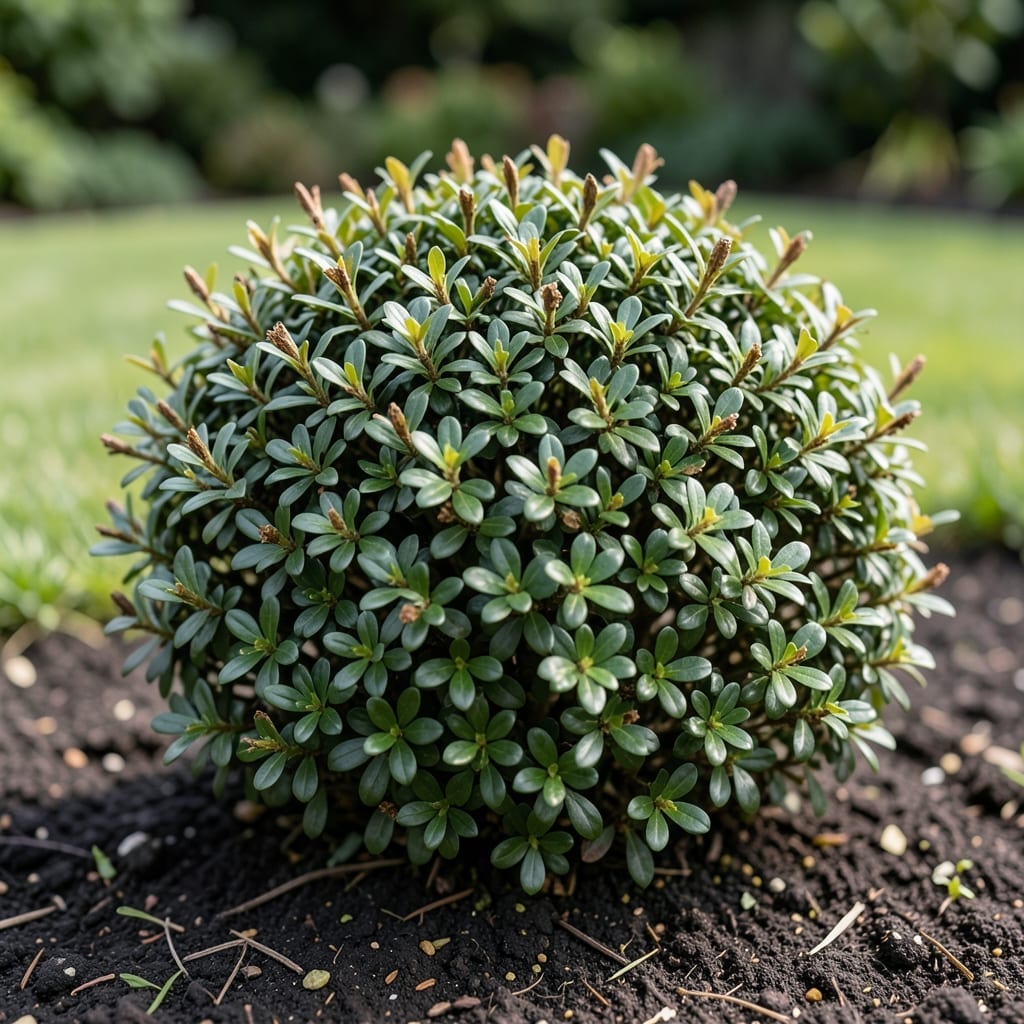
Those crispy brown tips on your bushes aren’t just ugly—they’re your plants sending an SOS. I’ve seen this exact problem wipe out entire landscapes when ignored, but the good news is it’s usually fixable.
The culprit is often hiding in plain sight: too little water, too much water, or soil that’s missing key nutrients. Sometimes it’s even salt buildup from winter de-icers or a sneaky pest problem. The first step is playing detective with your plants.
Once you identify the cause, you can restore health with targeted fixes. Most bushes bounce back within 2-4 weeks of proper care, regrowing green tips that blend seamlessly with the rest of the plant.
Works for boxwoods, azaleas, and most ornamental shrubs. Here’s how to diagnose and treat it before the damage spreads.
Understanding why your bushes develop brown tips starts with identifying the root causes. Here are the most common culprits, explained with actionable insights:
Plants need a Goldilocks zone of moisture—not too much, not too little. Underwatering leads to dry, crispy tips as the plant conserves water. Overwatering, on the other hand, suffocates roots, preventing them from absorbing nutrients. Check soil moisture 2 inches deep; it should feel like a wrung-out sponge. Adjust your watering schedule based on rainfall and soil drainage.
Extreme temperatures, low humidity, or sudden weather changes can shock bushes, causing tip burn. Heat stress accelerates water loss, while cold snaps damage tender new growth. Use mulch to regulate soil temperature and consider shade cloth during heatwaves. For cold-sensitive species, protect them with frost blankets before temperature drops.
Excess salts from fertilizers, de-icing agents, or hard water accumulate in the soil, drawing moisture away from roots. This leads to a condition called fertilizer burn, where tips turn brown and brittle. Flush the soil with water to leach out salts, and switch to slow-release, low-sodium fertilizers. Avoid over-fertilizing—more isn’t always better!
Sap-sucking pests like spider mites or aphids weaken bushes, while fungal infections (e.g., leaf spot) can cause browning. Inspect undersides of leaves for pests and look for unusual spots or wilting. Treat infestations with insecticidal soap or neem oil, and improve airflow to prevent fungal issues.
A lack of essential nutrients—particularly magnesium, iron, or potassium—can manifest as brown tips. Yellowing between veins (interveinal chlorosis) often pairs with this. Conduct a soil test to pinpoint deficiencies, then amend with the appropriate fertilizer or organic matter like compost.
When your bushes start showing brown tips, quick action can restore their health. Below are targeted solutions for the most common causes, along with prevention tips to keep your plants thriving.
If dry soil is the culprit, give your bushes a deep watering—at least 1–2 inches per week, including rainfall. Water slowly at the base to encourage deep root growth. Use a moisture meter or the finger test (stick your finger 2 inches into the soil) to check dryness before watering again.
Prevention tip: 💡 Apply a 2–3 inch layer of mulch around the base to retain moisture and regulate soil temperature.
Soggy soil suffocates roots. If overwatering is the issue, hold off on watering until the top 2–3 inches of soil dry out. For potted bushes, ensure containers have drainage holes. For in-ground plants, amend heavy clay soil with compost or sand to boost drainage.
Prevention tip: 🎯 Use well-draining soil mixes and avoid letting plants sit in saucers of water.
Excess fertilizer or salt buildup can scorch roots. Flush the soil by slowly running water through it for 5–10 minutes to leach out salts. Repeat every few weeks if needed. Switch to a slow-release, organic fertilizer to prevent future buildup.
Prevention tip: ✨ Always follow label instructions for fertilizers and avoid over-applying.
If intense sun is scorching the tips, temporarily move potted bushes to a shaded area or use shade cloth for in-ground plants. Water in the early morning to reduce evaporation and heat stress.
Prevention tip: 🌡️ Gradually acclimate plants to direct sunlight if they’ve been in shade.
Inspect leaves and stems for pests like aphids or spider mites. Use neem oil or insecticidal soap for minor infestations. For fungal issues, remove affected foliage and apply a copper-based fungicide. Prune brown tips with clean shears to prevent spread.
Prevention tip: 🎯 Keep your garden clean and debris-free to reduce pest and disease hiding spots.
Yes, excess fertilizer leads to salt buildup that draws moisture from roots. Always follow label instructions and flush soil with water if you suspect over-fertilization.
Most bushes need 1–2 inches of water per week, including rainfall. Check soil moisture 2 inches deep—water when it feels dry.
Yes, removing damaged tips with clean shears prevents further spread and encourages new growth. Just avoid cutting into healthy green tissue.
Sudden cold snaps or frost can damage tender growth. Protect sensitive bushes with frost blankets before temperature drops.