
Beautiful Plants For Your Interior
Beautiful Plants For Your Interior
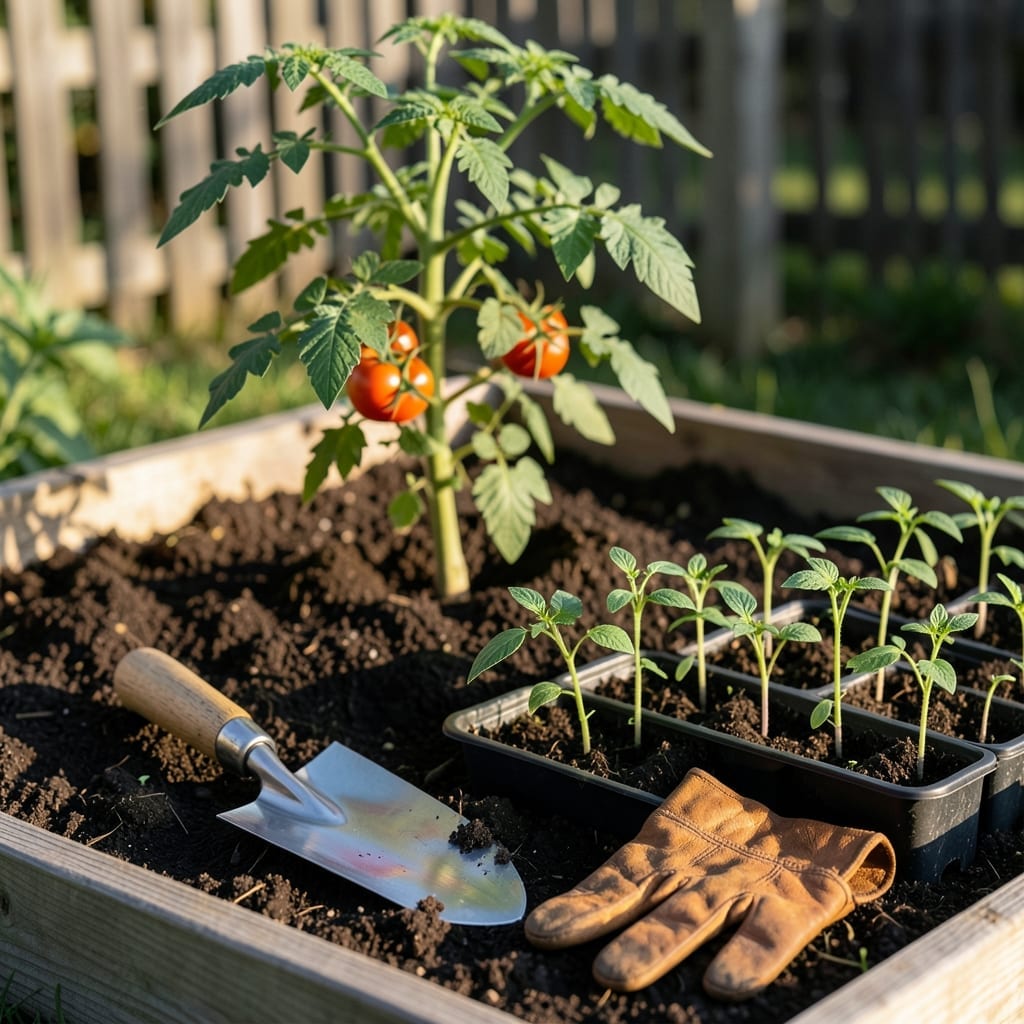
Timing is everything when planting your General Garden in Michigan. One missed window can mean the difference between a bountiful harvest and a disappointing season.
Our state’s unpredictable weather demands precision, especially in zones 5b-6a. Whether you’re a seasoned gardener or just starting out, knowing the right moment to plant is the key to success.
I’ve spent years tracking Michigan’s growing seasons, and I’m ready to share the exact timing that works. From the first spring thaw to the last autumn frost, every date matters.
Let me show you how to align your planting schedule with Michigan’s unique climate. Your General Garden 🌱 will thank you with its most productive season yet.
Michigan’s diverse climate means planting zones range from 4 to 6, each with unique frost dates. These zones determine when to safely plant without risk of frost damage. Understanding your zone is the first step to a thriving garden.
The last frost date varies significantly across the state. In the Upper Peninsula (Zone 4), it can be as late as June 1, while Southern Michigan (Zone 6) often sees its last frost by April 20. These dates are critical for timing your plantings.
| Region | USDA Zone | Last Frost Date | First Frost Date |
|---|---|---|---|
| Upper Peninsula | 4 | May 30 – June 10 | Sept 10 – 20 |
| Northern Lower | 5 | May 10 – 20 | Sept 20 – Oct 1 |
| Southern Lower | 6 | April 20 – May 10 | Oct 10 – 20 |
For cool-season crops like peas and lettuce, you can plant 2-4 weeks before the last frost. These hardy plants tolerate light frosts and can even benefit from cooler temperatures.
Warm-season crops such as tomatoes and peppers need to wait until after all frost danger has passed. In Zone 6, this might be mid-April, but in Zone 4, it could be early June.
The growing season length also varies. Southern Michigan enjoys about 180 frost-free days, while the Upper Peninsula may only have 120 days. This affects which varieties you can successfully grow.
I always recommend checking your local weather patterns and using a soil thermometer. Soil temperatures should be at least 60°F for most warm-season crops to germinate properly.
Microclimates can create variations within zones. A south-facing wall or urban heat island might allow earlier planting. Observe your specific location for the most accurate timing.
Remember that these dates are averages. Michigan weather is famously unpredictable, so I always keep an eye on the 10-day forecast before planting anything sensitive.
By understanding your specific zone and frost dates, you can maximize your growing season and enjoy a more productive garden with less risk of frost damage. 🌱
Michigan’s three main zones each have unique planting windows. In the Upper Peninsula (Zone 4), the short season means starting cool crops like kale indoors by March. This gives them a head start before outdoor planting.
The Northern Lower Peninsula (Zone 5) offers more flexibility. Here, I plant peas and spinach directly in early April, while waiting until late May for tomatoes and cucumbers. This balance maximizes both early and late harvests.
| Zone | Cool Crops | Warm Crops |
|---|---|---|
| 4 (UP) | May 15 – June 1 | June 1 – 15 |
| 5 (North) | April 15 – May 1 | May 15 – 30 |
| 6 (South) | March 20 – April 15 | April 20 – May 10 |
In Southern Lower Michigan (Zone 6), the longer season allows for succession planting. I plant lettuce every 2 weeks from March to September for continuous harvests. This technique works well with radishes and bush beans too.
For warm-season crops, soil temperature is key. I use a soil thermometer to confirm 60°F at 4-inch depth before planting peppers or eggplants. This prevents stunted growth from cold shock.
I also consider microclimates in my garden. A south-facing bed warms up faster in spring, allowing me to plant carrots and beets a week earlier than in shadier spots. Observing these small variations can significantly extend your growing window.
Remember that weather patterns can shift yearly. I always check the extended forecast and have row covers ready for unexpected cold snaps. This preparation has saved many of my early plantings from late frosts. 🌱