
Beautiful Plants For Your Interior
Beautiful Plants For Your Interior
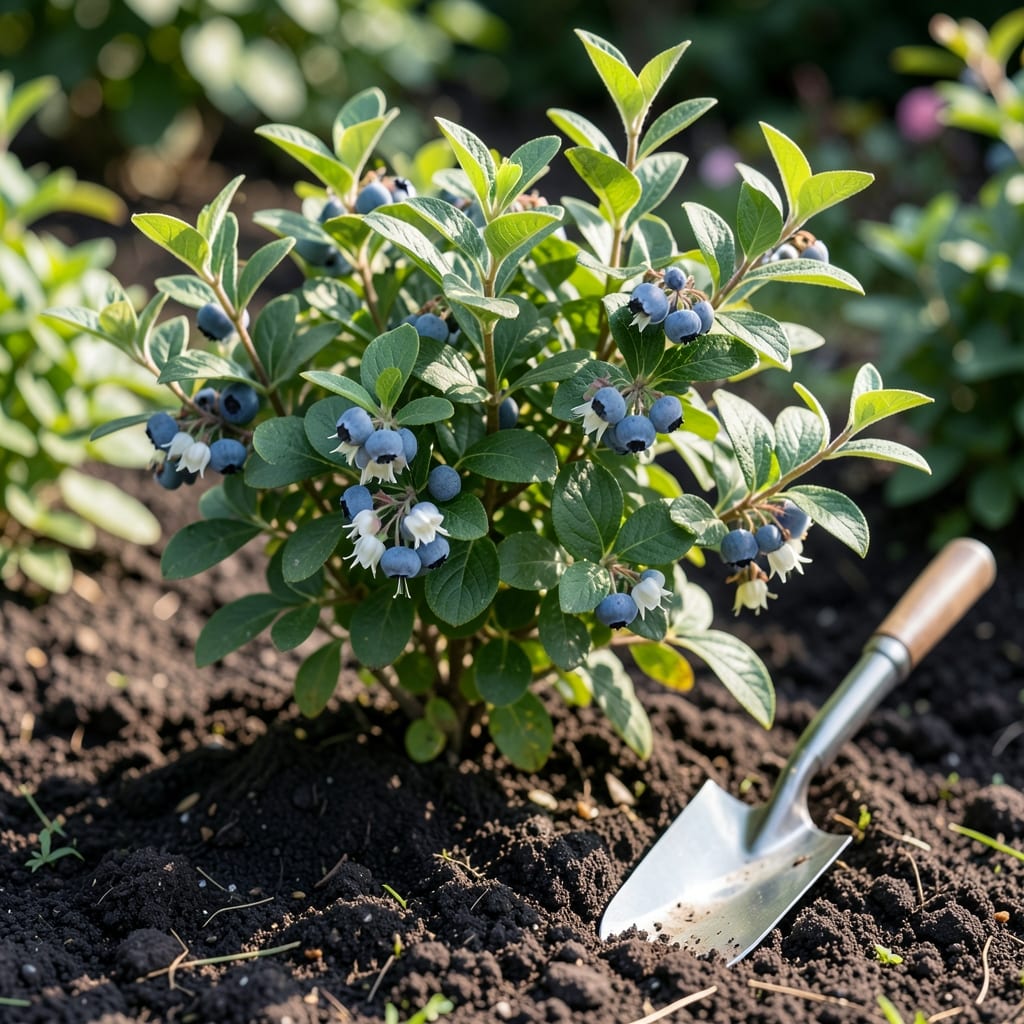
Blueberry trees thrive in acidic, well-draining soil with a pH between 4.0 and 5.5. Use a mix of peat moss, pine bark, and perlite to ensure proper acidity and nutrients for healthy growth.
In my experience, the right soil mix mimics the forest floors where blueberries naturally grow. 🔥 This environment allows roots to access iron and other micronutrients that become unavailable in neutral or alkaline conditions. I always test my soil first, then amend with sulfur or organic matter if the pH is too high.
Proper drainage prevents root rot, which is just as critical as acidity. ✨ A raised bed with the recommended mix can solve both problems at once.
💡 In This Article
Blueberries evolved in forest ecosystems where decaying pine needles and leaf litter naturally acidify the soil. This environment creates a pH range of 4.0-5.5, which is crucial for nutrient availability. At this acidity level, iron, manganese, and aluminum become soluble, allowing roots to absorb these essential micronutrients.
Without this acidic condition, these nutrients remain locked in the soil, leading to deficiencies that manifest as yellowing leaves (chlorosis) and stunted growth. 🔥
The plant’s root system has a unique adaptation: it forms symbiotic relationships with mycorrhizal fungi that thrive in acidic conditions. These fungi help break down organic matter and enhance nutrient uptake efficiency.
In neutral or alkaline soils (pH >6.0), these beneficial fungi struggle to survive, reducing the plant’s ability to access nutrients even if they’re present in the soil. ✨
Nitrogen uptake is also pH-dependent. Blueberries prefer ammonium nitrogen (NH4+) over nitrate nitrogen (NO3-), and acidic conditions favor the ammonium form. In higher pH soils, nitrate becomes more prevalent, which blueberries can’t utilize as effectively. This explains why blueberries often appear nitrogen-deficient in neutral soils despite adequate fertilizer application. 🌟
Water solubility of nutrients changes dramatically with pH. At pH 5.5, phosphorus becomes more available, while calcium and magnesium become less accessible. This balance is perfect for blueberries, which have adapted to lower calcium levels. The plant’s natural habitat in boggy, acid-rich areas has shaped these specific nutritional requirements over millennia. ⚡
The visual difference between blueberries grown in optimal vs. suboptimal soil is striking. Plants in proper acidic conditions develop dark green, healthy foliage and produce abundant fruit with intense flavor. In contrast, those in alkaline soils often display pale, yellowish leaves and produce sparse, less flavorful berries—clear indicators of nutrient uptake issues. 💫
At pH above 5.5, blueberries can’t absorb iron, causing yellow leaves and poor growth. Nutrients like manganese also become unavailable, leading to deficiencies.
Vinegar works temporarily but can harm soil microbes. For lasting results, use elemental sulfur or peat moss. These provide steady acidity without damaging the ecosystem.
Check pH every 2-3 years or if plants show stress. Use a home test kit or send samples to a lab for precise results.
Sandy soil drains well but lacks nutrients. Amend with peat moss and pine bark to improve acidity and moisture retention.