
Beautiful Plants For Your Interior
Beautiful Plants For Your Interior
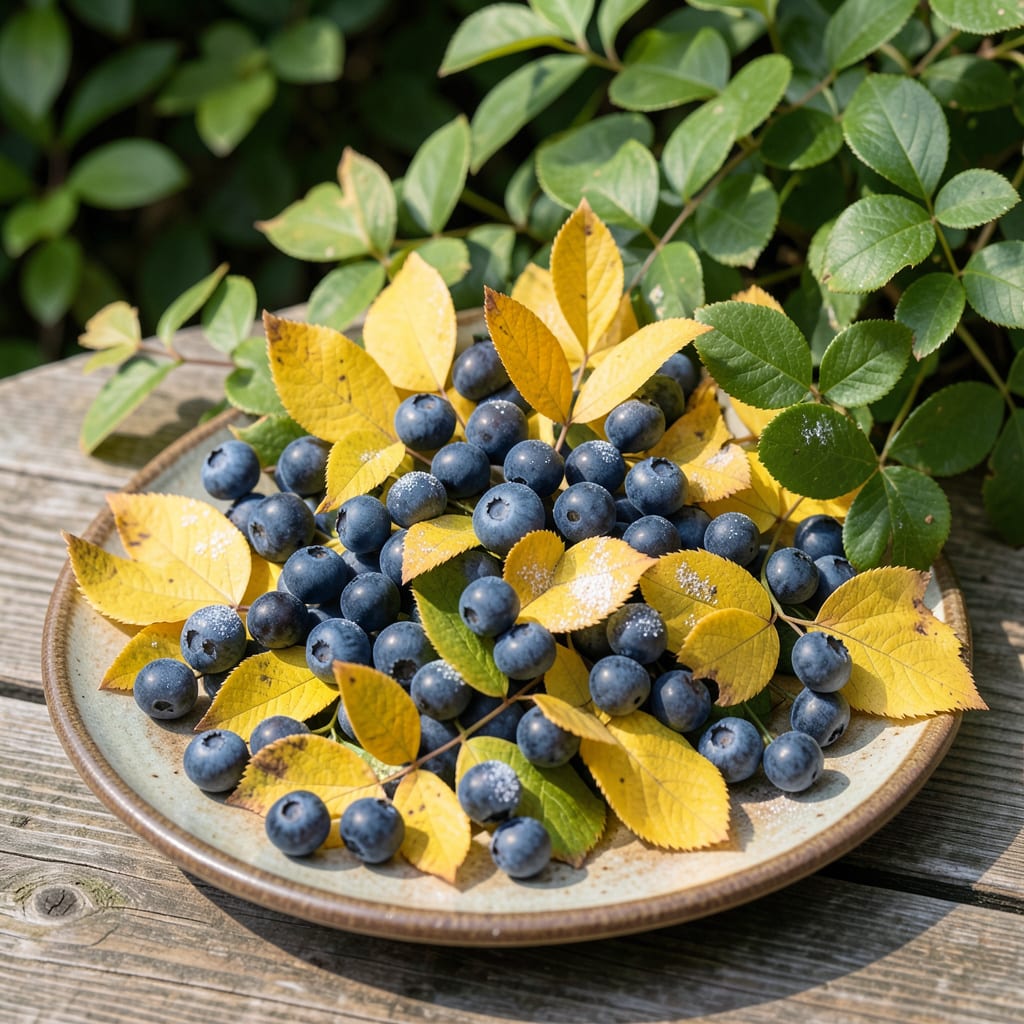
Yellow leaves on blueberry bushes always signal something’s off. I’ve seen it happen with nutrient shortages, wrong soil pH, or even overwatering—each leaves a different clue.
The fix starts with testing your soil. Blueberries need acidic conditions (pH 4.5-5.5) and specific nutrients like iron and nitrogen. Get this right and you’ll see green return in 2-3 weeks.
What you’re aiming for is deep green foliage and bushes that actually produce fruit. The plants will look healthier, grow faster, and give you better harvests next season.
Works for potted plants or in-ground bushes. Here’s how to diagnose and fix it for good.
Yellow leaves on blueberry bushes are often a sign of underlying issues that disrupt their health. Below are the most common causes, explained with actionable insights.
Blueberries thrive in acidic soil (pH 4.0–5.5). A lack of iron or magnesium—common in alkaline soils—leads to chlorosis (yellowing between leaf veins). Nitrogen deficiency can also cause uniform yellowing, starting with older leaves. Test soil and amend with chelated iron or sulfur to lower pH.
Both overwatering and underwatering stress blueberry roots. Soggy soil suffocates roots, blocking nutrient uptake, while drought prevents absorption. Ensure consistent moisture (1–2 inches weekly) with well-draining, mulched soil to avoid extremes.
Pathogens like Phytophthora root rot or powdery mildew disrupt nutrient flow, causing yellowing. Improve airflow, avoid overhead watering, and apply fungicides (e.g., copper-based) if needed. Remove infected leaves promptly.
Excessive heat, frost, or poor sunlight can stress bushes. Blueberries need 6–8 hours of sun daily; shade or extreme temps may trigger leaf discoloration. Use shade cloth in scorching climates or protect from late frosts.
Addressing yellow leaves on blueberry bushes starts with identifying the root cause and applying targeted solutions. Here’s how to tackle the most common issues:
Pro tip: 🔥 Always water at the base of the plant to avoid wetting leaves, which can invite disease.
Check the pattern. Yellowing between veins suggests iron deficiency. Uniform yellowing often means nitrogen shortage. Spotty yellow with brown edges usually signals fungal disease.
With proper fixes, new growth appears green in 2-3 weeks. Existing yellow leaves may not recover, but fresh foliage will show improvement first.
Not recommended. Vinegar gives temporary results but can harm roots. Use elemental sulfur or peat moss for safe, long-lasting pH adjustment.
Water deeply 1-2 times weekly, providing 1-2 inches total. Always check soil moisture 2 inches down before watering again.
