
Beautiful Plants For Your Interior
Beautiful Plants For Your Interior
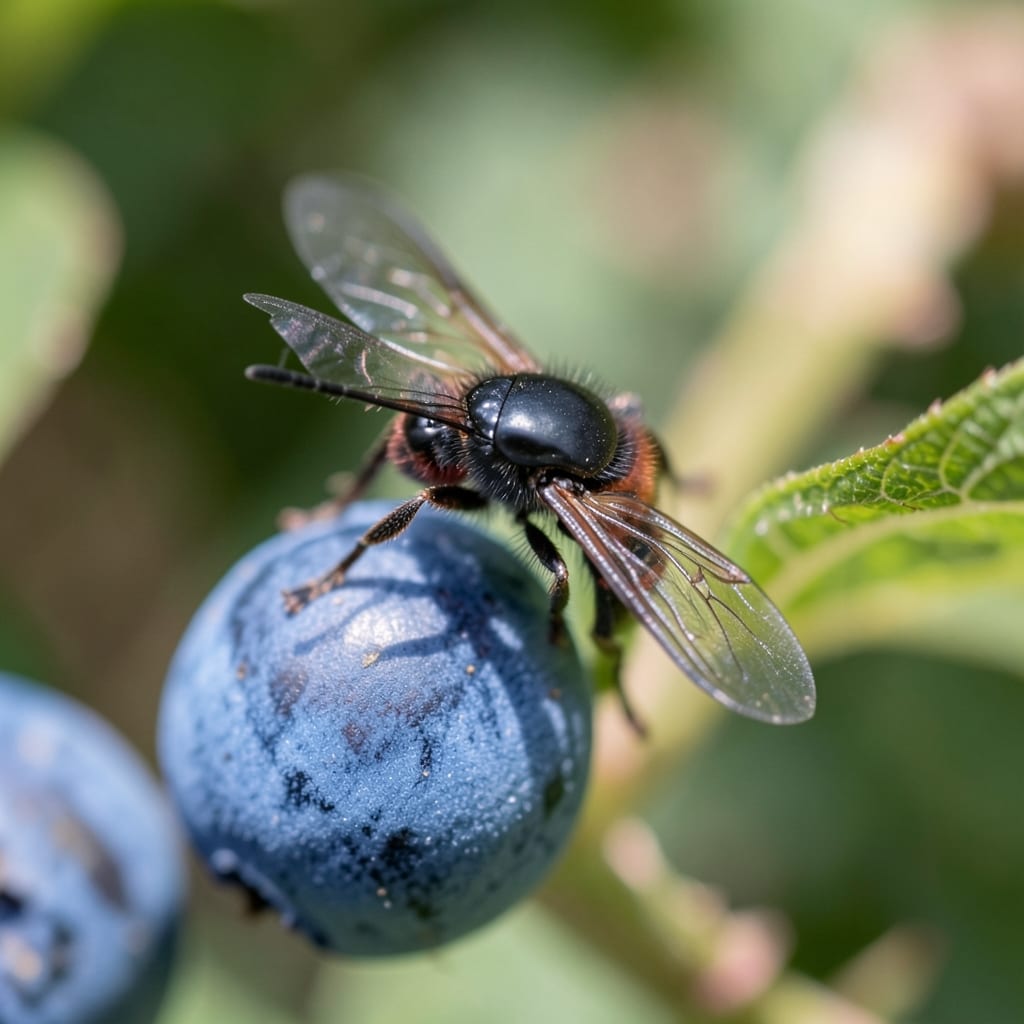
The blueberry stem gall wasp is a small, destructive pest that lays eggs in blueberry stems, causing swollen galls that weaken plants and reduce fruit production.
I’ve seen firsthand how these wasps target young shoots, injecting eggs that trigger abnormal growth in the plant tissue. 🔥 The resulting galls disrupt nutrient flow, which can stunt growth and leave bushes vulnerable to secondary infections. Early detection is key—look for small, hard swellings on stems before they balloon into larger, spongy galls.
💡 In This Article
The female wasp uses her ovipositor to inject eggs into young blueberry stems in late spring. Each egg triggers abnormal cell growth, forming a hard, woody gall that can reach 1-2 inches in diameter. These galls disrupt the plant’s vascular system, blocking water and nutrient flow to developing fruit clusters. 🔥
Inside each gall, larvae feed on the plant tissue for 10-12 months before emerging as adults the following spring. A single gall can contain up to 30-50 larvae, each capable of infesting new stems.
The plant responds by diverting energy to gall formation instead of fruit production, reducing yields by up to 80% in severe infestations. ✨
Young blueberry bushes under 3 years old are particularly vulnerable because their stems are softer and easier to penetrate. The physical stress of multiple galls can stunt growth, while mature bushes may show reduced vigor and smaller berries. The damage compounds yearly as infestations spread through the planting. ⚡
Galls don’t just harm the current season’s growth—they create permanent weak points in stems. These areas become prone to winter dieback and secondary infections from fungi or bacteria. Even after larvae emerge, the hollowed-out galls remain as entry points for other pests and diseases. 💫
What makes this pest so challenging is its timing. The wasps are most active during blueberry bloom, when growers are least likely to apply treatments that could harm pollinators. This synchronization with the plant’s reproductive cycle maximizes the wasp’s impact while making control more difficult. 🌟
Look for small, hard swellings on young stems in late spring. These early galls are often 1/4 inch in diameter and feel firm to the touch. Check new growth weekly during bloom to catch them before they expand.
Prune immediately when you notice galls, but the ideal window is late winter before new growth starts. Cut 6-8 inches below each gall to remove all larvae. Always sterilize tools between cuts.
They’re highly specialized and primarily target blueberry bushes. However, related wasp species may attack other fruit-bearing plants like cranberries. Focus prevention efforts on your blueberry patch.
Yes, but it requires aggressive action. Remove all galled canes at ground level and burn them. Follow up with horticultural oil in dormancy and kaolin clay sprays during bloom to break the cycle.