
Beautiful Plants For Your Interior
Beautiful Plants For Your Interior
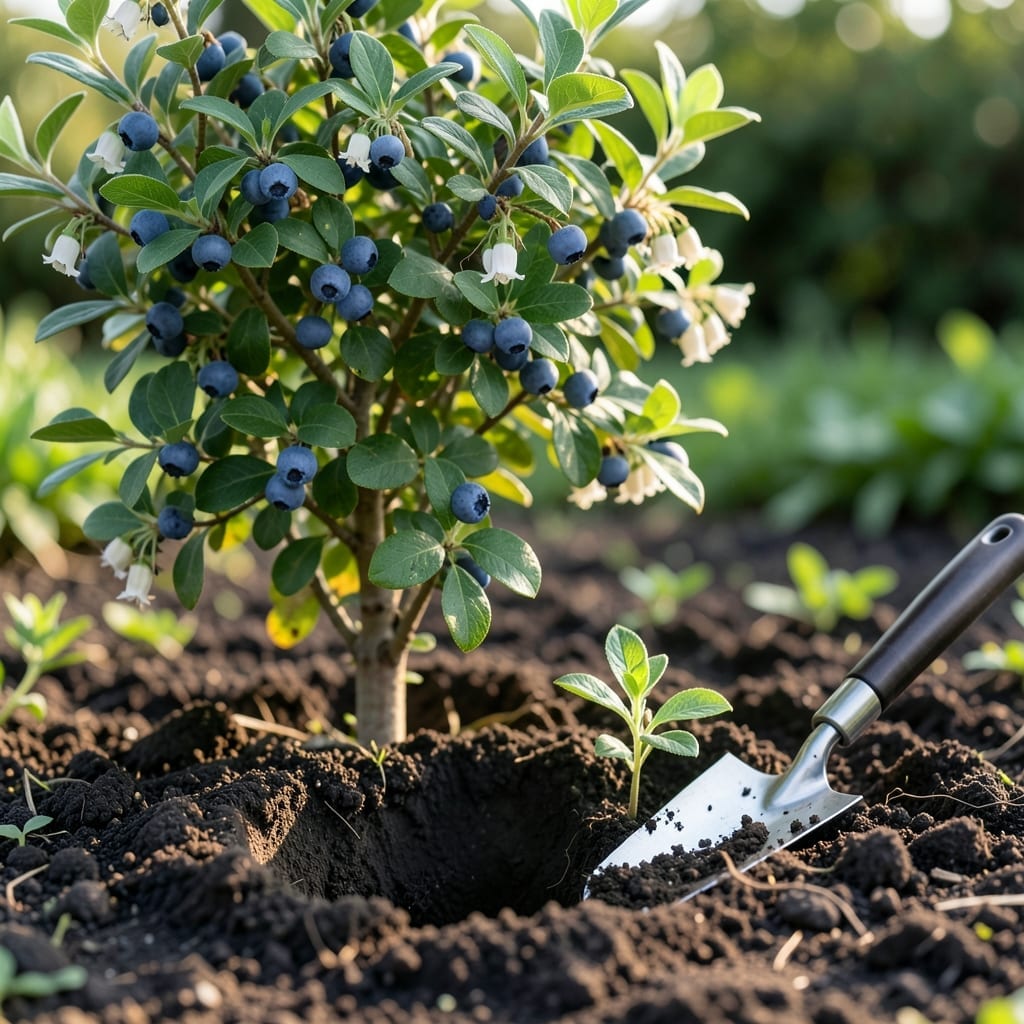
Timing is everything when planting Blueberry Bushes in Georgia—get it right, and you’ll enjoy years of bountiful, sweet harvests. Plant at the wrong time, and your 🫐 bushes may struggle to establish roots or produce fruit.
In our state’s 7b-8a zones, the ideal window spans from October to March. This gives roots time to settle before summer heat arrives.
I’ve seen firsthand how proper timing leads to stronger plants and bigger harvests. The key is working with Georgia’s climate, not against it.
Let me walk you through the seasonal sweet spots and why they matter for your Blueberry Bush success.
Georgia’s mild winters and hot summers create a unique planting window for blueberry bushes. The absolute best time is late fall through early spring, specifically from October to March.
This window allows root systems to establish before the summer heat kicks in. I’ve found that planting in November or February gives the best results in my own garden.
| Season | Planting Window | Key Benefit |
|---|---|---|
| Fall | October-November | Cool temps reduce stress |
| Winter | December-February | Dormant season root growth |
| Spring | March | Early start before summer heat |
Late fall planting (October-November) is ideal because the cool temperatures reduce transplant shock. The soil stays warm enough for root development while the air is cool.
In winter months (December-February), dormant planting works well because the bushes focus all their energy on root establishment. This is my preferred method for bare-root plants.
March planting is your last good window before summer. I recommend getting bushes in the ground by mid-March to give them enough time to establish before the heat arrives.
Remember that Georgia’s climate varies from north to south. In northern Georgia (Zone 7b), you can plant a bit later into spring. In southern Georgia (Zone 8a), aim for earlier planting to avoid summer heat.
For container-grown plants, you have more flexibility. These can be planted year-round with proper care, though I still recommend avoiding the hottest summer months.
The soil temperature should be above 40°F for best results. In Georgia, this is rarely an issue during the recommended planting window. I always check with a soil thermometer before planting.
Finally, avoid planting during freezing conditions or when the ground is waterlogged. The ideal scenario is cool, moist soil with mild air temperatures. This combination gives your blueberry bushes the best start possible.
🌱Georgia’s USDA zones 7-8 create unique planting conditions for blueberry bushes. The state’s mild winters and hot summers mean timing is crucial for root establishment before heat arrives.
In northern Georgia (zone 7), October to November planting works best. Southern regions (zone 8) can extend planting through December to February without frost damage concerns.
| Region | Zone | Best Planting Months | Key Consideration |
|---|---|---|---|
| Northern Georgia | 7b | October-November | Earlier frost dates |
| Central Georgia | 8a | November-January | Moderate winters |
| Southern Georgia | 8b | December-February | Warmer climate |
I’ve found microclimates matter too. Areas near urban heat islands may allow slightly later planting, while mountainous regions need earlier timing to avoid frost.
Soil temperature above 50°F encourages root growth. Georgia’s winters typically maintain this, but soil testing helps confirm conditions before planting.
Remember, spring planting is possible in March, but requires extra watering as temperatures rise. The fall window remains ideal for most gardeners.
By matching your planting schedule to your specific zone, you’ll give your blueberry bushes the best start for years of productivity 🌱