
Beautiful Plants For Your Interior
Beautiful Plants For Your Interior
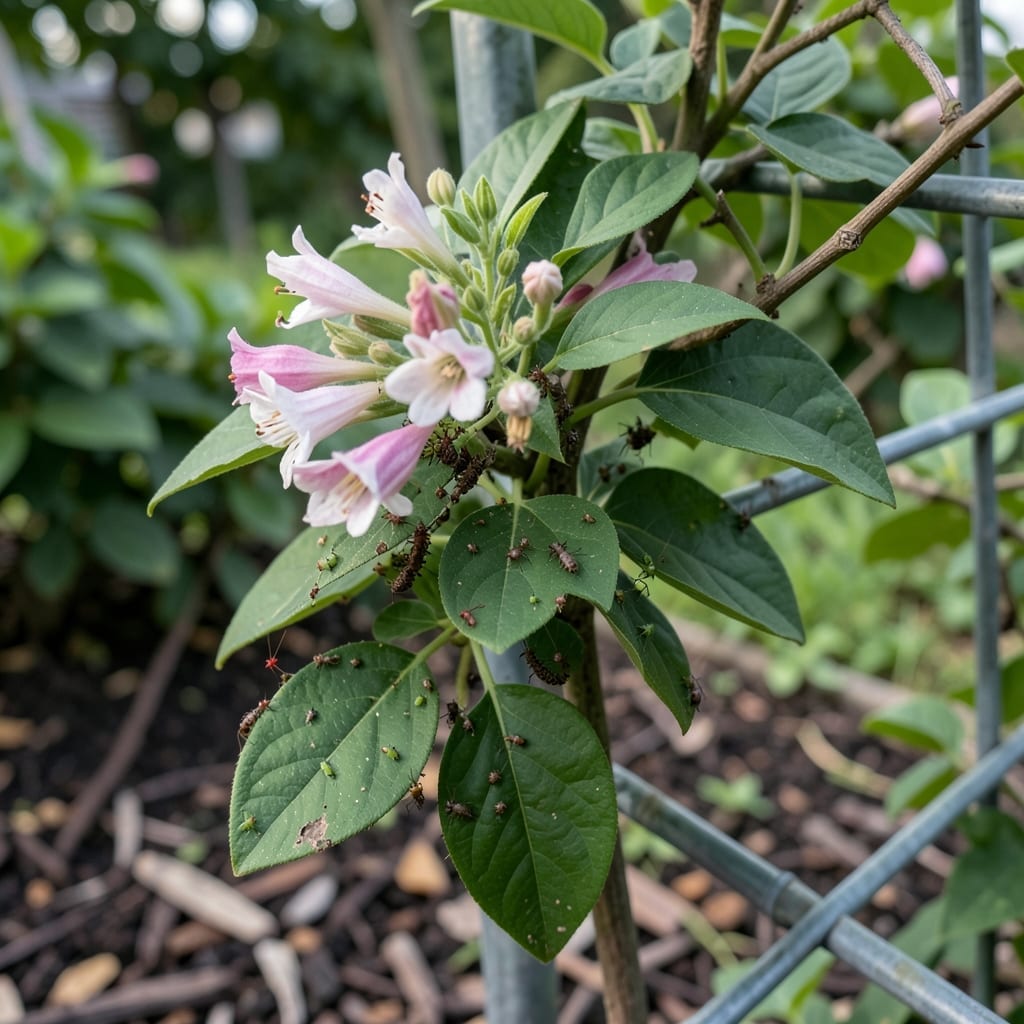
Your honeysuckle was thriving, then suddenly the leaves turned spotty and vines stopped climbing. I’ve been there—watching healthy growth turn into a pest and disease battleground overnight.
Between you and me, most problems start with poor airflow or wet foliage. The good news? Early identification means you can salvage the plant with simple, organic fixes.
You’ll spot the difference between aphid damage and powdery mildew within 24 hours of close inspection. No fancy tools required—just sharp eyes and a willingness to act fast.
Works for climbing varieties, bushes, and even potted honeysuckle. Here’s how to keep them flourishing.
Honeysuckle plants are hardy, but they’re not immune to trouble. Understanding the root causes of diseases and pests can help you prevent them before they take hold. Here’s why these issues arise:
Poor growing conditions weaken honeysuckle, making it vulnerable. Overwatering or drought stress can lead to root rot or leaf scorch, while poor soil drainage encourages fungal infections like powdery mildew. Lonicera species thrive in well-draining, slightly acidic soil with consistent moisture—deviations from this invite trouble.
Humid, wet conditions create a breeding ground for fungi such as leaf spot (Cercospora spp.) and rust (Puccinia spp.). Bacteria like Pseudomonas syringae cause blight, entering through wounds or splashing water. These pathogens spread rapidly in crowded plantings with poor air circulation.
Weak or stressed honeysuckle attracts pests like aphids, scale insects, and honeydew-producing bugs, which then introduce sooty mold. Spider mites thrive in hot, dry climates, while Japanese beetles and sawfly larvae chew foliage, creating entry points for disease. Overuse of nitrogen fertilizers can also boost pest populations by promoting lush, soft growth they love.
Improper pruning (e.g., using unsterilized tools) can spread disease between plants. Failing to remove fallen leaves or debris allows pathogens to overwinter. Additionally, planting honeysuckle in full shade reduces its vigor, while over-fertilization disrupts natural defenses, leaving it susceptible to attack.
Keeping your honeysuckle healthy doesn’t have to be complicated. Below are targeted solutions for common diseases and pests, along with prevention tips to keep problems from returning.
Treat infected plants with neem oil spray or a baking soda solution (1 tsp baking soda + 1 quart water + a drop of dish soap). Apply in the early morning to avoid leaf burn.
Prevent it: Space plants 3–4 feet apart for better airflow. Prune overcrowded branches and avoid overhead watering.
Use a strong stream of water to dislodge aphids from leaves and stems. For stubborn infestations, apply insecticidal soap or introduce natural predators like ladybugs.
Prevent it: Encourage beneficial insects by planting companion flowers like marigolds or dill. Keep the garden free of debris where pests hide.
Spider mites thrive in dry conditions. Spray plants with water daily to disrupt their activity, or use horticultural oil for severe cases. Wipe leaves with a damp cloth to remove webs and eggs.
Prevent it: Mist plants regularly or use a humidifier nearby. Avoid dusty conditions, which attract mites.
Prune and destroy infected leaves (do not compost). Apply a copper fungicide if the problem spreads. Water at the base of the plant to keep foliage dry.
Prevent it: Rotate planting locations yearly and clean garden tools to avoid spreading fungal spores.
💡 Pro Tip: Regularly inspect your honeysuckle for early signs of trouble—yellowing leaves, sticky residue, or webbing. Catching issues early makes treatment far easier!
Look for yellowing leaves, sticky residue, or white powdery spots. Early detection means easier treatment. Check undersides of leaves for pests too.
Yes! A baking soda solution or neem oil spray works well for fungal issues. Insecticidal soap handles aphids effectively.
Check weekly during growing season. Focus on new growth and leaf undersides. Daily checks are best if you’ve had past issues.
Prune to improve airflow and remove diseased parts immediately. Always sterilize tools between cuts.