
Beautiful Plants For Your Interior
Beautiful Plants For Your Interior
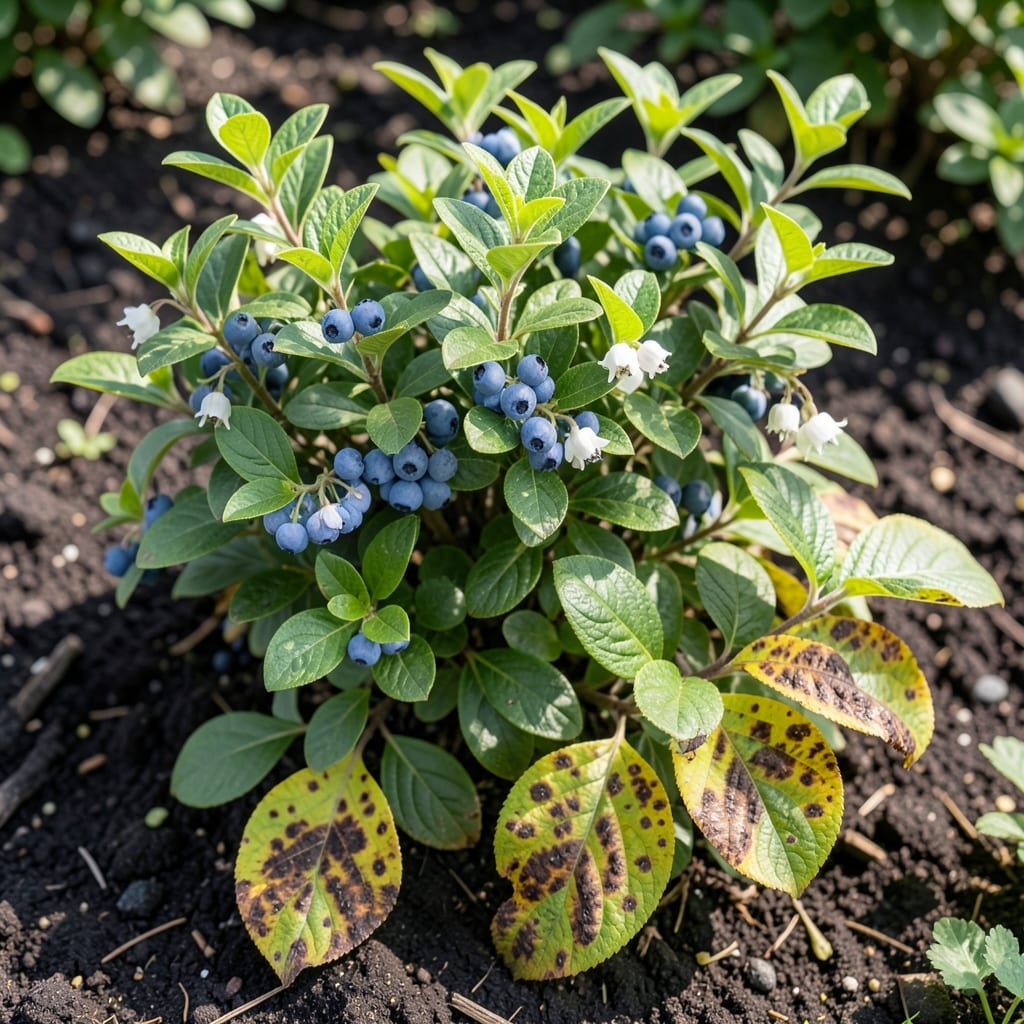
Spotted yellow leaves on your blueberry bushes aren’t just unsightly—they’re a warning. I’ve seen entire crops wiped out by ignoring early signs, but catching symptoms quickly saves the season.
Most issues stem from fungal infections like leaf spot or rust, thriving in wet, poorly spaced plants. Overhead watering and crowded canopies create perfect breeding grounds for these problems.
Organic fixes work if you act fast: prune affected leaves, improve airflow, and apply copper fungicide. Prevention is simpler than cure—space plants properly and water at the base.
Your bushes can rebound with consistent care, and next year’s harvest will thank you.
Understanding why blueberry leaf disease develops is key to preventing and managing it. Below are the primary causes, each backed by scientific explanations.
Fungal infections, such as Exobasidium or Septoria, are common culprits. These pathogens thrive in wet, humid conditions, spreading spores that infect leaves through small openings or wounds. Overhead irrigation or poor air circulation can exacerbate the issue.
Blueberries are sensitive to environmental stressors like excessive moisture, drought, or extreme temperatures. Prolonged leaf wetness (over 12 hours) creates an ideal breeding ground for fungi, while drought weakens plants, making them more susceptible to disease.
A deficiency in essential nutrients, particularly nitrogen or potassium, can compromise a plant’s immune system. Over-fertilization, especially with high-nitrogen formulas, may also promote excessive foliage growth, which is more prone to fungal attacks.
Insects like aphids or mites can weaken blueberry plants by feeding on leaves, creating entry points for pathogens. Their honeydew secretions also foster sooty mold, a secondary issue that stresses the plant further.
Improper pruning, overcrowded planting, or using contaminated tools can spread disease. Sanitation is critical—removing fallen leaves and debris reduces fungal spores’ ability to overwinter and reinfect plants the following season.
Tackling blueberry leaf disease starts with identifying the cause and applying the right fix. Here’s a practical, step-by-step guide to restoring your plants’ health:
If you spot powdery mildew or leaf spot, prune infected leaves and branches immediately to stop the spread. Dispose of debris far from the garden—do not compost. Follow up with a copper-based fungicide or a DIY mix of 1 tsp baking soda + 1 quart water + a drop of dish soap. Spray every 7–10 days until symptoms vanish.
Prevention tip: 💡 Improve airflow by spacing plants 4–6 feet apart and watering at the base to keep leaves dry.
For aphids or mite damage, blast pests off with a strong water jet. Introduce ladybugs or lacewings as natural predators. For stubborn cases, apply insecticidal soap (1 tbsp mild soap + 1 quart water) directly to pests. Reapply every 4–5 days as needed.
Prevention tip: 🎯 Plant companion herbs like basil or mint to deter pests naturally.
Yellowing leaves often signal iron or magnesium shortages. Test soil pH (blueberries need 4.5–5.5) and amend with chelated iron or Epsom salt (1 tbsp per gallon of water) for quick fixes. For long-term health, mix pine bark fines or sulfur into soil to lower pH.
Prevention tip: ✨ Feed plants with acid-loving fertilizer in early spring and mulch with oak leaves or pine needles.
Wilting or blackened leaves may mean root rot. Stop watering immediately and let soil dry to a depth of 2 inches. If drainage is poor, amend beds with perlite or coarse sand. For potted plants, ensure containers have drainage holes.
Prevention tip: 🌡️ Use a moisture meter—water only when the top inch of soil is dry.
Look for red or purple spots, yellowing edges, or white powdery coatings. Leaf spot causes small dark lesions, while rust creates orange pustules. Severe cases may show curled or distorted leaves.
Yes, but yield and quality suffer. Stressed plants produce smaller, less flavorful berries. Remove infected foliage immediately to protect next season’s harvest.
For active infections, spray copper fungicide every 7–10 days until symptoms disappear. Preventative applications every 2–3 weeks during wet seasons work best.
Only if tools aren’t sterilized. Clean pruners with rubbing alcohol between cuts. Always remove debris from the garden to prevent spores from overwintering.