
Beautiful Plants For Your Interior
Beautiful Plants For Your Interior
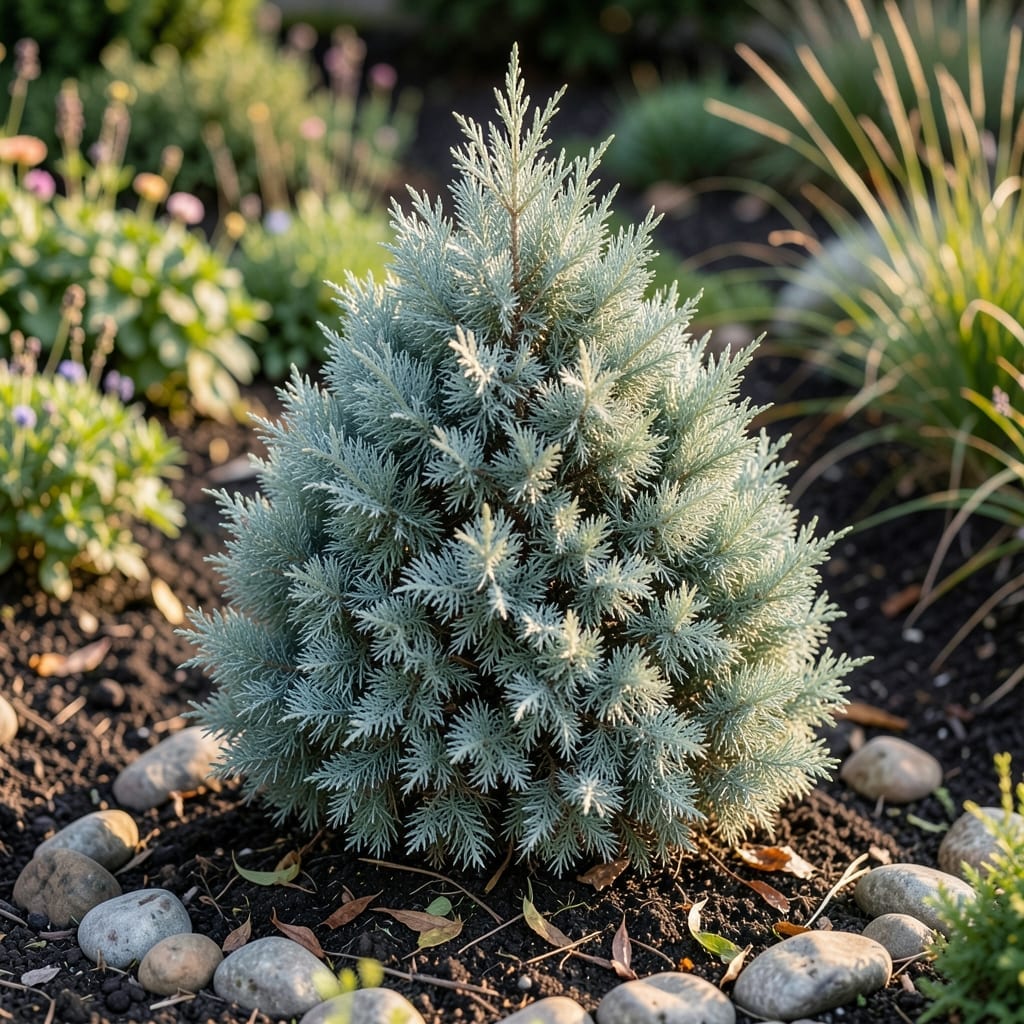
My Blue Point junipers looked perfect until they didn’t. Yellowing tips, webbing between branches, or stunted growth—these are the silent distress signals I learned to spot early.
Most issues trace back to 3 root causes: spider mites sucking sap, fungal infections from poor airflow, or compacted soil choking roots. The fix starts with inspection, not panic.
Proper spacing prevents humidity-driven problems, while a simple soil test reveals if your ground is too dense. I’ve revived struggling plants in 2-3 weeks with targeted adjustments.
Whether your juniper’s wilting or just underperforming, these solutions restore that dense, blue-green growth you planted for. No guesswork, just results.
Understanding the root causes of Blue Point Juniper problems helps you address them effectively. Here are the most common triggers:
Blue Point Junipers thrive in well-draining, slightly acidic to neutral soil (pH 6.0–7.5). Compacted or waterlogged soil restricts root oxygen uptake, leading to root rot (Phytophthora or Pythium fungi). Heavy clay soils or excessive organic matter can trap moisture, while sandy soils may drain too quickly, causing nutrient deficiencies. Action: Amend soil with compost or pine bark fines to improve structure.
Inconsistent moisture levels stress the plant. Overwatering suffocates roots and promotes fungal growth, while drought stress weakens the juniper, making it susceptible to pests like spider mites. Junipers prefer moderate moisture—water deeply but infrequently (1–1.5 inches per week). Action: Use a moisture meter to monitor soil at 2–3 inches depth.
Common pests include bagworms, scale insects, and spider mites. Bagworms defoliate branches, while scale and mites sap plant fluids, causing yellowing or dieback. Stress from poor growing conditions often attracts these pests. Action: Inspect foliage regularly; treat with horticultural oil or insecticidal soap at first signs.
High humidity or poor air circulation fosters fungal issues like cedar-apple rust or twig blight. Overhead watering spreads spores, and dense plantings reduce airflow. Action: Prune for better circulation, water at the base, and apply copper fungicide preventatively in spring.
Extreme temperatures, winter burn (from freezing winds), or sunscald (intense summer heat) can damage foliage. Junipers in exposed locations or poor-hardiness zones (below USDA Zone 4) are most vulnerable. Action: Mulch heavily in winter and provide afternoon shade in hot climates.
Dealing with Blue Point Juniper troubles? Here’s how to tackle the most common problems with simple, actionable fixes.
Fix: This is often caused by overwatering or poor drainage. Reduce watering and ensure the soil drains well—amend heavy clay soil with sand or compost. If the issue is underwatering, deep-water the plant weekly during dry spells. For winter burn (brown tips in cold months), shield the plant with burlap or apply an anti-desiccant spray in late fall.
Prevention: Water only when the top inch of soil is dry. Mulch around the base to retain moisture without waterlogging. 💡
Fix: Prune infected branches immediately using sterilized shears, and dispose of debris far from the plant. Apply a copper-based fungicide or neem oil as a natural alternative, following label instructions. Improve air circulation by thinning dense growth.
Prevention: Avoid overhead watering—use a soaker hose instead. Space plants properly to reduce humidity buildup. ✨
Fix: For spider mites or scale, spray the foliage with insecticidal soap or horticultural oil, focusing on the undersides of leaves. For bagworms, handpick and destroy the bags in early summer before they hatch. Severe infestations may require a systemic insecticide.
Prevention: Inspect plants regularly, especially in spring and summer. Encourage beneficial insects like ladybugs by planting companion flowers. 🎯
Fix: Test the soil pH—Blue Point Junipers prefer slightly acidic to neutral soil (6.0–7.5). Amend with lime (to raise pH) or sulfur (to lower pH) as needed. If the plant is wilting, check for root rot (foul-smelling, mushy roots) and trim affected roots before repotting in fresh, well-draining soil.
Prevention: Fertilize lightly in early spring with a balanced, slow-release fertilizer. Avoid heavy feeding, which can stress the plant. 🌡️
Brown needles often signal winter burn or fungal disease. Check for dry, crispy tips (winter damage) or blackened spots (fungus). Improve drainage and shield plants from harsh winds.
Spray with insecticidal soap every 3-5 days until gone. Focus on leaf undersides where mites hide. Neem oil works too—apply in the evening.
Yes! Soggy soil suffocates roots and invites rot. Water only when the top 1-2 inches of soil are dry. Use a moisture meter for accuracy.
Well-draining, slightly acidic soil (pH 6.0-7.5) is ideal. Mix native soil with compost or pine bark fines to improve texture.