
Beautiful Plants For Your Interior
Beautiful Plants For Your Interior
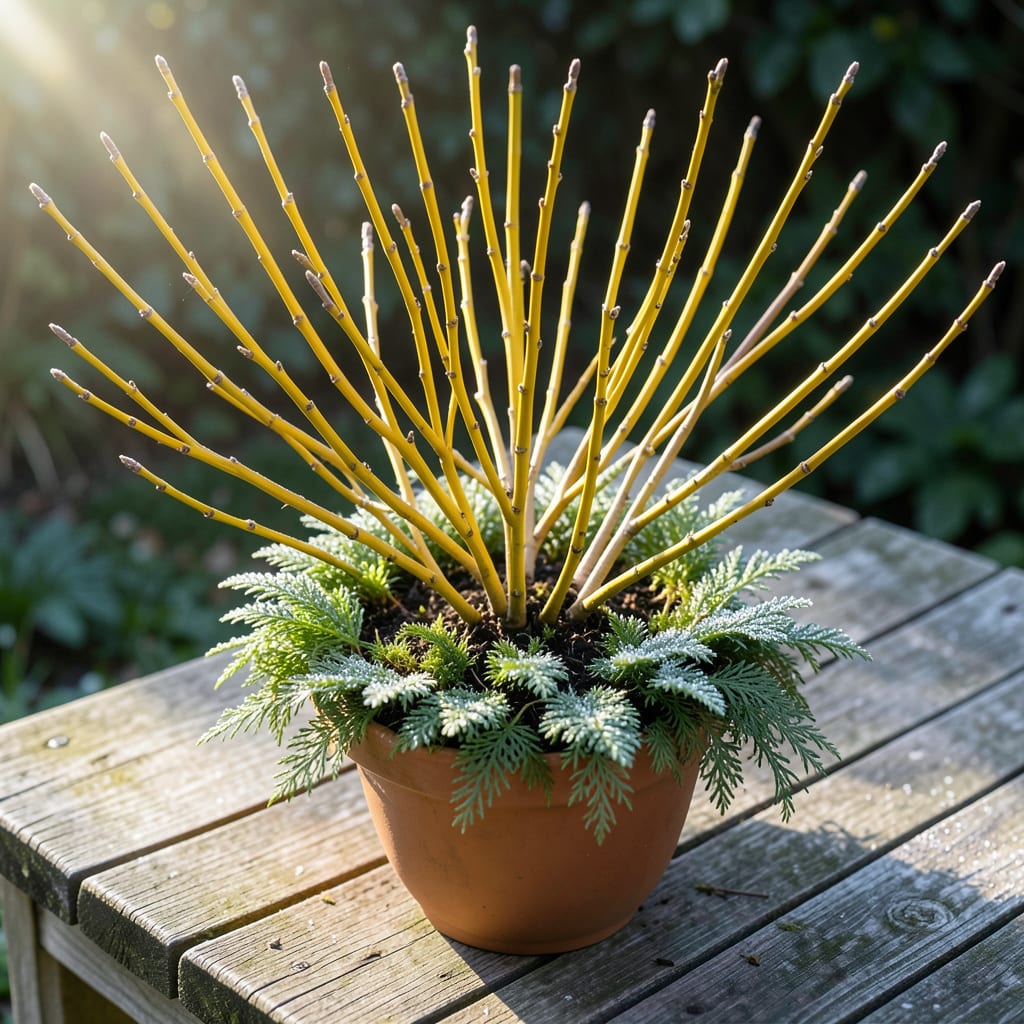
My yellow twig dogwood lost its vibrant color last spring. 🌱 The bright stems that once lit up the winter garden turned dull and lifeless, and I knew something was wrong.
I started digging into the most common problems—pests, diseases, and cultural issues—and found that most could be fixed with simple adjustments. The key was matching symptoms to solutions, not just guessing.
Within a few weeks of targeted care, the stems regained their shocking golden-yellow hue. The plant looks better now than it has in years, and the process was simpler than I expected.
Works for established shrubs and new plantings alike. Here’s what I learned about keeping these plants thriving.
Understanding why Cornus sericea ‘Flaviramea’ (yellow twig dogwood) struggles is key to restoring its vibrant winter color and hardy growth. Below are the primary causes of common problems, explained with actionable insights.
Fungi like anthracnose (Discula destructiva) and powdery mildew (Erysiphe pulchra) thrive in wet, humid conditions. These pathogens infect leaves and stems, causing leaf spot, defoliation, and stunted growth. Poor air circulation or overhead watering exacerbates the issue. Solution: Prune for airflow, water at the base, and apply fungicides like copper or neem oil preventatively.
Sap-sucking pests such as aphids, scale insects, and dogwood borers weaken the shrub by draining nutrients and creating entry points for disease. Aphids leave a sticky residue (honeydew) that attracts sooty mold, while borers tunnel into stems, causing dieback. Solution: Use insecticidal soap for soft-bodied pests and remove infested wood promptly.
Yellow twig dogwoods are adaptable but suffer in extreme conditions. Drought stress leads to leaf scorch and twig dieback, while waterlogged soil causes root rot (Phytophthora spp.). Poor soil drainage or planting in full shade reduces vigor. Solution: Amend soil with compost, mulch to retain moisture, and ensure 4–6 hours of sunlight daily.
A lack of iron or magnesium often manifests as chlorosis (yellowing leaves with green veins). This occurs in alkaline soils (pH > 7.0), where roots can’t absorb these micronutrients. Solution: Test soil pH and apply chelated iron or Epsom salt (for magnesium) as needed.
Dealing with yellow twig dogwood problems doesn’t have to be overwhelming. Below are practical solutions tailored to the most frequent issues, along with prevention tips to keep your shrub thriving.
Fix: If fungal diseases like anthracnose or leaf spot are causing brown or yellow spots, remove infected leaves and treat with a copper-based fungicide. For nutrient deficiencies (often yellowing between veins), apply a balanced fertilizer or soil amendments like iron chelates for iron deficiency.
Prevention: Improve air circulation by spacing plants properly. Water at the base to avoid wetting foliage, and mulch to prevent soil-borne spores from splashing onto leaves. 💡 Test soil annually to catch deficiencies early.
Fix: For aphids or scale insects, blast them off with a strong stream of water or apply neem oil or insecticidal soap. Borers require more drastic action—prune and destroy infested branches, and use beneficial nematodes to target larvae in the soil.
Prevention: Encourage natural predators like ladybugs by planting companion flowers. Keep the area free of debris where pests overwinter. ✨ Regularly inspect the undersides of leaves for early signs of trouble.
Fix: If stems are dying back, prune affected areas back to healthy wood, sterilizing shears between cuts to prevent disease spread. For root rot (caused by soggy soil), improve drainage by amending with compost or sand. Revive stressed plants with deep watering and a slow-release fertilizer.
Prevention: Plant in well-draining soil and avoid overwatering. Thin out old stems annually to promote vigorous new growth. 🎯 Choose resistant varieties if problems persist in your area.
Fix: Prune broken or split branches in early spring before new growth starts. Apply a balanced fertilizer to help the plant recover. For frost cracks, wrap the trunk with burlap or tree guard in late fall.
Prevention: Mulch heavily around the base in late autumn to insulate roots. 🌡️ Avoid late-season pruning, which can stimulate tender new growth vulnerable to cold snaps.
This is likely chlorosis, caused by iron deficiency in alkaline soil. Test your soil pH and apply chelated iron or sulfur to lower pH to 6.0-6.5.
Black spots often indicate anthracnose fungus. Remove infected leaves and apply copper fungicide. Improve airflow by pruning and water at the base.
Yes! Prune dead stems to healthy wood, sterilizing tools between cuts. Boost recovery with slow-release fertilizer and proper watering.
Mulch heavily in late fall and wrap trunks with burlap. Avoid late pruning to prevent tender new growth before cold snaps.
