
Beautiful Plants For Your Interior
Beautiful Plants For Your Interior
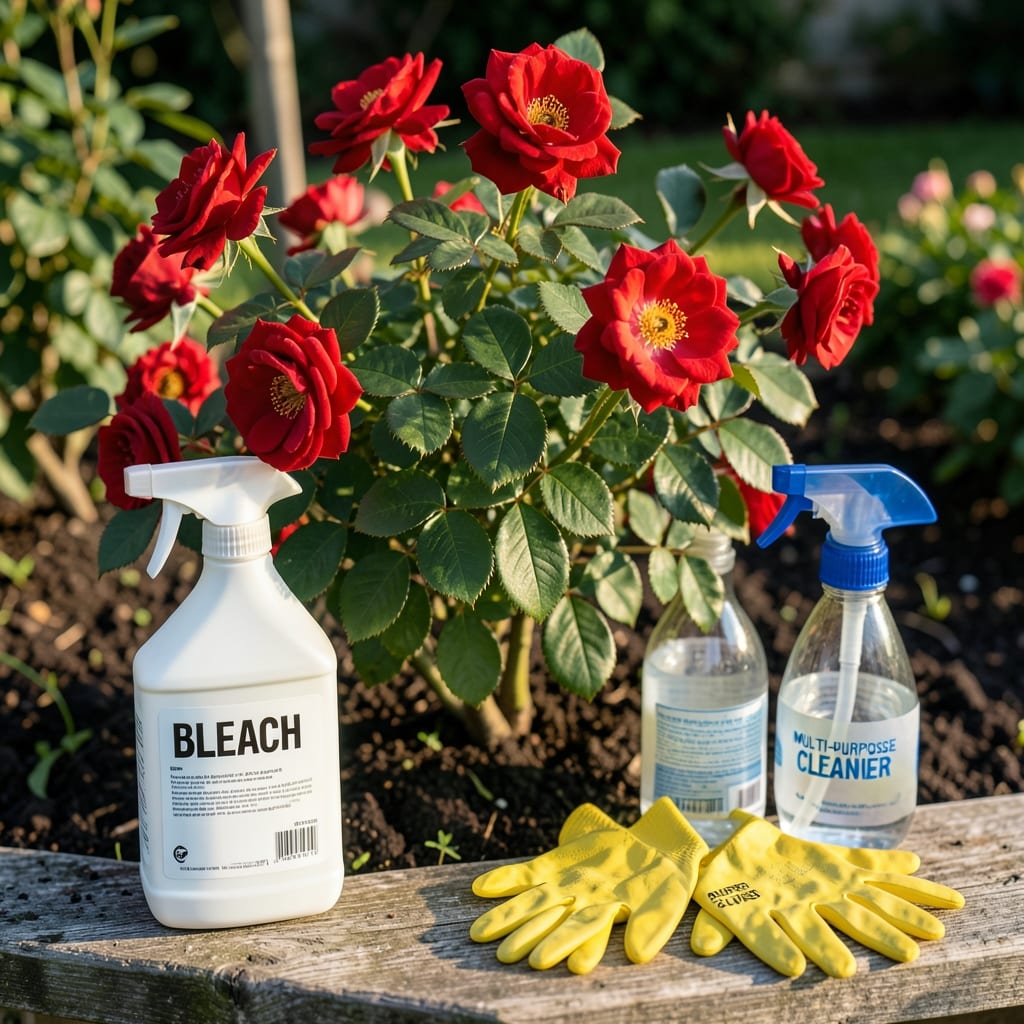
Using bleach on flowers can harm plants by damaging roots, altering soil pH, and killing beneficial microbes. Diluted solutions may help with fungal issues but require extreme caution.
I’ve seen well-meaning gardeners use diluted bleach to combat mold or algae, but the risks often outweigh benefits. The chlorine in bleach disrupts soil ecosystems, stripping away nutrients that flowers need to thrive. 🌟
Instead, I recommend natural alternatives like neem oil or hydrogen peroxide, which address fungal issues without the harsh chemical fallout.
💡 In This Article
Bleach contains sodium hypochlorite, which breaks down into chlorine, sodium, and oxygen in soil. The chlorine oxidizes organic matter, including root tissues, while sodium disrupts water balance in plant cells. This double assault reduces a plant’s ability to absorb water and nutrients, often leading to wilting within 24-48 hours. 🔥
Soil pH shifts dramatically with bleach exposure. A typical flower bed sits at pH 6.0-7.0, but bleach can spike this to 8.0-9.0 or higher, making essential nutrients like iron and phosphorus unavailable. Even diluted solutions (1:10 ratio) can push pH beyond recovery for sensitive species like hydrangeas or azaleas.
The microbial damage is equally severe. Beneficial bacteria and fungi that decompose organic matter and fix nitrogen vanish when exposed to chlorine concentrations as low as 5 ppm. Without these microbes, soil structure degrades, and plants struggle to access nutrients even after the bleach degrades. 💫
Long-term effects include salt buildup from sodium, which creates a crust on the soil surface that repels water. I’ve seen garden beds require complete soil replacement after repeated bleach use, as the cumulative damage makes it impossible for new plantings to establish roots.
This is especially true in clay soils, where sodium ions displace calcium and magnesium.
For perspective, a single tablespoon of bleach in 1 gallon of water can eliminate 90% of soil microbes in a 12-inch diameter area. The recovery time for a healthy soil ecosystem can span 6-12 months, during which plants show stunted growth and increased disease susceptibility. ✨
A very diluted solution might kill surface mold, but it risks damaging the plant and soil. 1 part bleach to 10 parts water is the absolute strongest ratio to use, and even then, apply only to non-soil surfaces like pots.
Visible damage like wilting or yellowing leaves can appear within 24-48 hours. Roots absorb chlorine quickly, disrupting nutrient uptake. Sensitive plants may show stress signs even sooner.
Try neem oil or hydrogen peroxide for safe, effective results. A 3% peroxide solution mixed at 1:10 with water kills fungus without harming soil. These are gentler and won’t disrupt your garden’s ecosystem.
Yes, but only in tiny amounts—1 teaspoon per gallon of water. This can extend vase life by reducing bacteria. Never use more, as it will bleach petals and shorten their lifespan.