
Beautiful Plants For Your Interior
Beautiful Plants For Your Interior
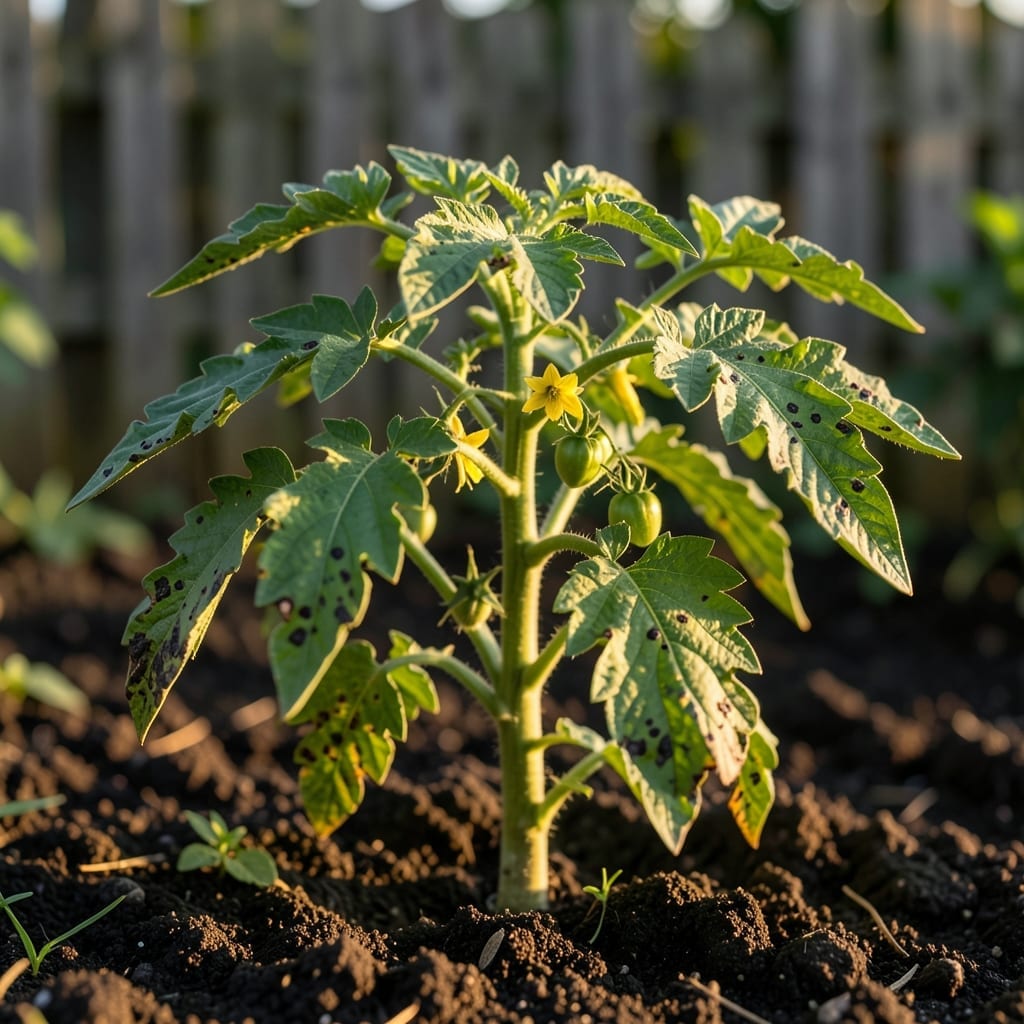
Black spots on leaves always feel like a gut punch after all your hard work. I’ve lost entire crops to this before learning the signs early enough to act.
The causes range from fungal diseases spreading in damp conditions to pests leaving their mark or even environmental stress from overwatering. Each leaves a distinct pattern if you know what to look for.
Organic fixes exist for every scenario, from copper sprays to neem oil applications to simple adjustments in your care routine. The key is matching the solution to the specific problem.
Your plants can recover with the right approach, and prevention becomes second nature once you understand the triggers. Here’s how to diagnose and treat the issue effectively.
Black spots or patches on plant leaves often signal underlying issues. Here are the most common causes, each with clear explanations:
Fungi like Cercospora or Anthracnose thrive in warm, humid conditions, producing dark, irregular spots. These pathogens spread via water splashes or contaminated tools, often starting on lower leaves before moving upward.
Sap-sucking insects like aphids, scale, or mites leave behind sticky honeydew, which fosters sooty mold—a black, powdery fungus. Their feeding also weakens plants, making them more susceptible to secondary infections.
Extreme temperatures, drought, or waterlogging can cause leaf tissue to die, turning black. Poor air circulation exacerbates this, trapping moisture and encouraging decay.
Overuse of fertilizers, pesticides, or even hard water can scorch foliage, leaving dark, crispy patches. Always test sprays on a small area first and follow dilution guidelines.
A lack of essential nutrients like calcium or phosphorus may manifest as blackened leaf tips or margins, especially in fast-growing plants. Soil testing helps pinpoint the deficiency for targeted correction.
Black spots or patches on plant leaves are often a sign of trouble, but the good news is that most causes can be addressed with simple, organic solutions. Below, we’ve mapped common issues to their fixes, along with prevention tips to keep your plants thriving. 🌿
Fungal diseases like black spot or anthracnose thrive in damp, crowded conditions. Start by removing infected leaves and disposing of them (not in compost). Thin out dense foliage to improve airflow, and water at the base of the plant to keep leaves dry. Apply a baking soda spray (1 tsp baking soda, 1 quart water, a few drops of dish soap) every 7–10 days. For stubborn cases, use neem oil or a copper-based fungicide.
Prevention: Space plants properly, avoid overhead watering, and clean garden tools regularly. 💡
Aphids, scale, and whiteflies excrete honeydew, which leads to sooty mold (black, dusty coating). Blast pests off with a strong stream of water, then apply insecticidal soap or neem oil. For severe infestations, introduce beneficial insects like ladybugs or lacewings.
Prevention: Inspect plants weekly, encourage natural predators, and avoid over-fertilizing (which attracts pests). ✨
Too much sun, cold drafts, or nutrient deficiencies can cause blackening leaves. Move sunburned plants to partial shade and protect sensitive species from frost. If nutrients are lacking, test your soil and amend with compost or a balanced organic fertilizer.
Prevention: Research your plant’s ideal light, temperature, and soil conditions—and stick to them! 🎯
Root rot from soggy soil can manifest as black, mushy leaves. Stop watering immediately and let the top 1–2 inches of soil dry out. Repot waterlogged plants in fresh, well-draining soil. Trim any black, rotting roots before replanting.
Prevention: Use pots with drainage holes, and water only when the soil feels dry to the touch. 🌱
With these targeted fixes and a little TLC, your plants will bounce back—and stay healthy for the long haul!
Yes, too much water leads to root rot, which can turn leaves black and mushy. Stop watering and let the top 1-2 inches of soil dry out completely.
While not directly harmful, sooty mold blocks sunlight, weakening the plant. It’s caused by pest honeydew, so treating the infestation removes the mold’s food source.
Improve airflow by spacing plants properly and water at the base. Remove infected leaves immediately and apply neem oil or a baking soda spray weekly.
Unfortunately, blackened leaves won’t turn green again. Remove them to prevent spreading and focus on correcting the underlying issue for new growth.