
Beautiful Plants For Your Interior
Beautiful Plants For Your Interior
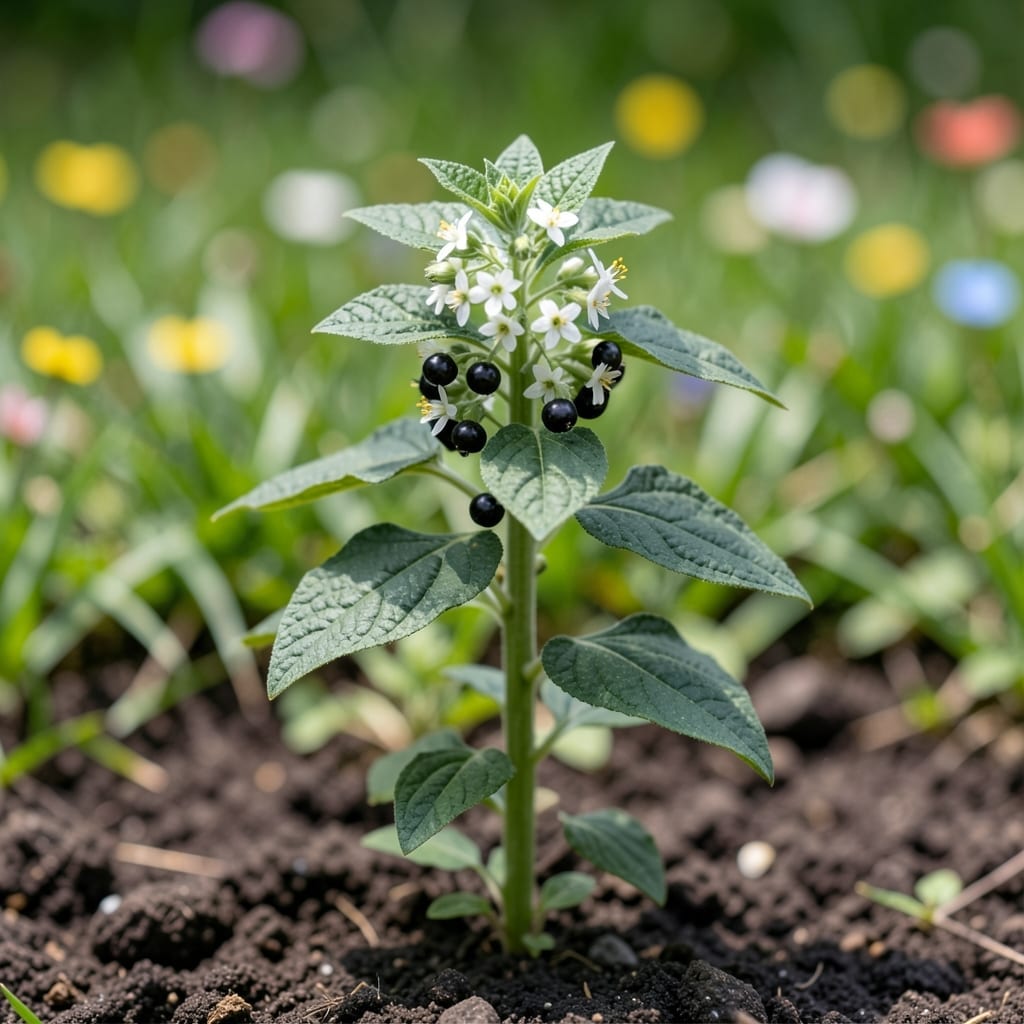
I learned the hard way that black nightshade looks harmless until you notice the details. The glossy black berries, star-shaped white flowers, and slightly hairy leaves are dead giveaways.
This plant loves disturbed soil—garden edges, compost piles, or abandoned lots. It thrives in partial shade and can grow 2-4 feet tall, often blending in with tomatoes or potatoes.
Misidentification happens often, especially with young plants. Compare the leaf shape and berry clusters carefully—true nightshade has a distinctive, almost velvet-like texture to its foliage.
Safety first: wear gloves when handling, and never consume any part. Even touching your face after contact can cause irritation. Spot it early, remove it carefully.
Understanding why black nightshade (Solanum nigrum) appears in your garden or landscape can help you prevent its spread. This plant thrives under specific conditions, often taking advantage of disturbed or neglected areas. Below are the primary reasons it pops up.
Black nightshade favors rich, well-drained soils with high organic matter, though it can adapt to poor or compacted soil. It often emerges in gardens, compost piles, or areas with frequent tilling. The plant’s seeds germinate quickly in moist, loose soil, making freshly turned earth a hotspot for growth.
This opportunistic plant flourishes in full sun to partial shade. It commonly invades disturbed areas like construction sites, roadside edges, or agricultural fields. Human activity, such as digging or weeding, can unearth dormant seeds, triggering germination.
Birds and small mammals consume black nightshade berries and excrete the seeds elsewhere, aiding its spread. The plant’s glossy black fruits are enticing to wildlife, which unknowingly transports seeds to new locations. This natural dispersal method makes it challenging to contain.
One black nightshade plant can produce hundreds of seeds, which remain viable in the soil for years. If left unchecked, it self-seeds aggressively, leading to dense patches. Even after removal, seeds may linger, causing recurring infestations.
If you’ve identified black nightshade in your garden, prompt and safe removal is key. Follow these steps to eliminate the plant and prevent regrowth while protecting yourself and your environment.
For isolated plants, wear gloves and long sleeves to avoid skin contact with the toxins. Use a trowel to loosen the soil around the roots, then grasp the base of the plant and pull upward firmly. Remove the entire root system to prevent regrowth. Dispose of the plant in a sealed bag—do not compost it, as the toxins can persist.
When dealing with a widespread problem, apply a broadleaf herbicide like glyphosate, following the label instructions carefully. Spot-treat the plants to avoid harming nearby desirable vegetation. Reapply as needed, but avoid using herbicides near edible crops.
Mulch heavily with organic material (e.g., wood chips) to suppress new seedlings. Solarize the soil in infested areas by covering it with clear plastic for 4–6 weeks to kill seeds. Regularly inspect your garden and remove young plants before they mature and spread.
💡 Pro Tip: If you have pets or children, fence off treated areas until the plants are fully gone. Always wash your hands and tools thoroughly after handling black nightshade.
Ripe berries are glossy, deep black, and about 1/2 inch in diameter. They grow in clusters along the stems. Unripe berries are green with white streaks, turning black as they mature.
Compare leaf shape: nightshade leaves are oval with smooth or slightly wavy edges. Edible lookalikes like tomatoes have more complex, lobed leaves. Also, nightshade stems are often slightly hairy.
No. The plant contains solanine, which can cause skin irritation. Always wear gloves when handling, and wash hands thoroughly afterward. Never touch your face after contact.
It thrives in disturbed areas like gardens, compost piles, and roadside edges. Prefers rich soil but can adapt to poor conditions. Often found in partial shade to full sun.