
Beautiful Plants For Your Interior
Beautiful Plants For Your Interior
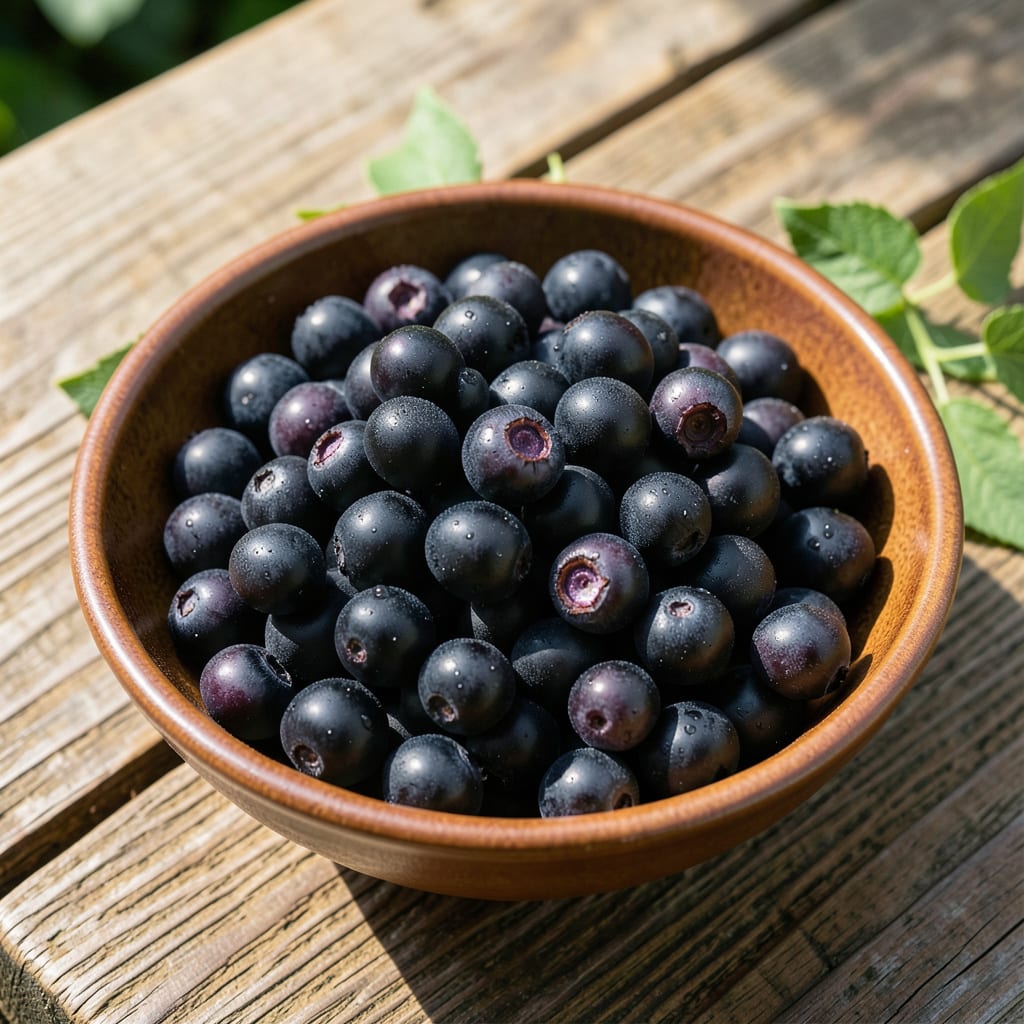
Black nightshade taught me to respect nature’s duality. This plant thrives in disturbed soil with minimal care, spreading quickly where other plants struggle to establish.
While some varieties produce edible berries, others are deadly toxic—knowing the difference could save your garden and your health. The glossy black fruit and dark green leaves make identification crucial.
📚 In This Guide
Distinguishing edible black nightshade from its dangerous cousins requires careful observation and precise timing.
Edible Solanum nigrum produces berries that transition from green to deep purple-black when fully ripe. The unripe green berries contain solanine, a toxic glycoalkaloid that causes nausea and neurological symptoms. I only consider the fruit safe when it reaches a uniform matte black color with no green shoulders or streaks.
Watch for the plant’s growth habit too. Edible varieties typically grow 18-24 inches tall with ovate leaves that have slightly wavy margins. The toxic American black nightshade (Solanum americanum) looks nearly identical but tends to have more aggressive, sprawling growth and slightly more pointed leaves.
The leaves of edible black nightshade have a distinctive slightly hairy texture on the upper surface, while the stems often show fine hairs as well. In contrast, the deadly nightshade (Atropa belladonna) has smooth, glossy leaves and purple-tinged stems—though this plant is rare in the wild and more common in cultivated settings.
I always check the leaf arrangement: true edible black nightshade has alternate leaves, while some toxic lookalikes may have opposite or whorled arrangements. The leaf edges should be entire or only slightly toothed, not deeply lobed or serrated like some ornamental nightshades.
Edible black nightshade thrives in disturbed soils, often appearing in gardens, compost piles, or along fence rows. It prefers full sun to partial shade and moist but well-drained soil. If you find the plant growing in dense woodland shade or extremely dry conditions, it’s more likely to be a different species.
The plant’s companions can offer clues too. Edible black nightshade often grows near other common weeds like lambsquarters or pigweed. I avoid harvesting from plants growing near roadsides or industrial areas where soil contamination might be an issue, regardless of the species.
This step requires absolute certainty about the plant’s identity first. When fully ripe, edible black nightshade berries have a sweet, slightly tomato-like flavor with no bitterness. The toxic varieties either taste extremely bitter or cause a burning sensation in the mouth.
I perform this test by touching a single ripe berry to my lips first, waiting 15 minutes for any reaction. If no burning or numbness occurs, I then take a tiny amount on the tongue—never swallowing. Any bitter or soapy taste means immediate spitting and rinsing. This test should only be attempted by those with confirmed identification skills.
Never consume more than one or two berries initially, even from a confirmed edible plant. Some individuals may still experience mild stomach upset due to the solanine content in the green parts of the plant.
The difference between a safe harvest and a dangerous mistake often comes down to observation.
Visual Confirmation: In Step 1, never harvest berries until they reach that uniform matte black color with absolutely no green streaks. I’ve seen too many cases where a single green shoulder contained enough solanine to cause serious discomfort. The color change from purple-black to full matte black is your only reliable indicator of reduced toxicity.
Leaf Texture Distinction: For Step 2, run your fingers over the upper leaf surface—edible varieties have that slightly hairy texture that’s almost velvety. Deadly nightshade’s smooth, glossy leaves feel almost waxy by comparison. This tactile difference is often more reliable than visual inspection alone, especially in low light conditions.
Environmental Red Flags: Step 3’s advice about growing environment is crucial. If you find a plant in dense woodland shade or near industrial sites, walk away regardless of how perfect the berries look. I’ve made the mistake of overlooking environment before, and it’s not worth the risk when soil contamination can make even edible species unsafe.
Taste Test Protocol: The 15-minute waiting period in Step 4 isn’t just caution—it’s your safety net. I once skipped this step and experienced mild numbness that lasted an hour. Always start with the lip test, and never, under any circumstances, swallow during initial testing. The solanine in green parts can cause issues even with properly identified ripe berries.
Ripe black nightshade berries can be edible when fully black and properly cooked, but unripe green berries and leaves are toxic due to solanine. Always confirm the variety and consult an expert before consumption.
Edible black nightshade has glossy black berries, ovate leaves, and white star-shaped flowers. Toxic lookalikes (e.g., deadly nightshade) often have purple flowers or shiny black berries with a different leaf shape. When in doubt, avoid!
Yes! It thrives in well-drained soil with partial sunlight. Plant seeds in spring, water moderately, and harvest berries when fully black. Be cautious—it can spread aggressively.
Traditionally, it’s used for pain relief, inflammation, and skin conditions. However, its toxicity makes self-treatment risky. Always use under professional guidance.
Seek immediate medical help. Symptoms like nausea, vomiting, or dizziness may indicate poisoning. Do not induce vomiting unless instructed by a healthcare provider.
