
Beautiful Plants For Your Interior
Beautiful Plants For Your Interior
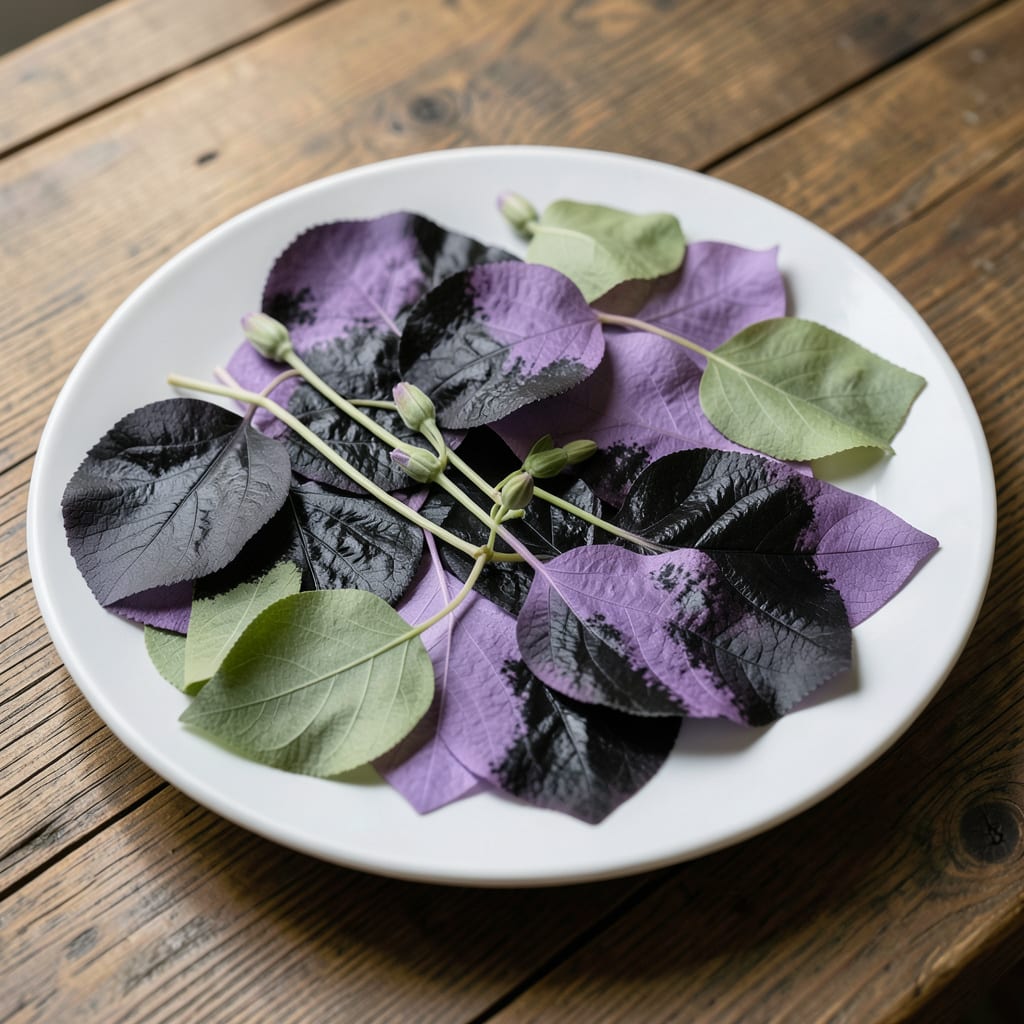
Black leaves on your lilac bush aren’t just ugly—they’re a distress signal. I’ve seen this happen to my own plants after a particularly wet spring, and the fix always starts with identifying what’s actually causing the damage.
Most often, it’s a fungal issue like leaf spot or powdery mildew, but pest damage or environmental stress can create the same symptoms. The good news is, organic solutions work fast once you know the root cause.
You’ll start seeing improvement within 7-10 days of treatment—new growth returns to that vibrant green you expect from healthy lilacs. The key is acting before the problem spreads to the entire bush.
Works for all lilac varieties, whether they’re new plantings or established shrubs. Here’s how to diagnose and treat it properly.
Lilac leaves turning black is a distress signal from your plant, often tied to environmental stress or disease. Here’s a breakdown of the most common causes, backed by science:
Fungi like Cercospora or Pseudocercospora thrive in wet, humid conditions, causing purple-brown to black spots on leaves. These pathogens produce toxins that disrupt chlorophyll, leading to necrotic (dead) tissue. Overhead watering or poor air circulation exacerbates the issue.
Lilacs prefer moderate climates. When exposed to temperatures above 90°F (32°C) or sudden frosts, leaves may scorch, turning black as cells collapse. Heat stress also triggers oxalic acid buildup, which can darken foliage.
Root rot from Phytophthora or Pythium fungi suffocates roots, cutting off water and nutrient supply. As roots decay, leaves wilt and blacken due to oxygen deprivation and toxin release. Compacted or waterlogged soil is a prime culprit.
Excess nitrogen or phosphorus can cause salt burn, where roots absorb too many minerals, leading to leaf tip necrosis. Conversely, a potassium deficiency weakens cell walls, making leaves more susceptible to blackening under stress.
Sap-sucking pests like aphids or scale insects inject saliva that disrupts plant metabolism. Their feeding sites often turn black as tissues die. Additionally, their sticky honeydew can foster sooty mold, a black fungal layer that blocks sunlight.
When your lilac leaves start turning black, quick and targeted action can save your plant. Below are practical fixes for the most common causes, along with prevention tips to keep your lilacs thriving.
Fungal issues like Cercospora or Phyllosticta thrive in damp, stagnant conditions. Start by pruning affected leaves and branches to improve airflow. Remove fallen debris around the base to prevent spores from spreading. Apply a copper-based fungicide or a homemade solution of 1 tsp baking soda + 1 quart water + a few drops of dish soap. Spray every 7–10 days until the issue clears.
Prevention tip: 💡 Space plants 5–6 feet apart and water at the base in the morning to allow foliage to dry quickly.
Aphids, scale, and lilac borers can weaken plants, making leaves susceptible to blackening. Inspect the undersides of leaves and stems for pests. Blast them off with a strong stream of water or apply neem oil or insecticidal soap weekly until gone. For borers, prune and destroy infested wood immediately.
Prevention tip: 🎯 Encourage natural predators like ladybugs by planting companion flowers such as marigolds or yarrow nearby.
Soggy roots lead to root rot, which can manifest as blackened leaves. Check soil moisture—if it’s waterlogged, improve drainage by amending with compost or sand. Ensure pots have drainage holes, and avoid overhead watering. If root rot is suspected, trim affected roots and repot in fresh, well-draining soil.
Prevention tip: ✨ Mulch with organic material to retain moisture without waterlogging, and water only when the top 1–2 inches of soil are dry.
Extreme heat, frost, or nutrient deficiencies can stress lilacs, causing leaf discoloration. Protect plants from late frosts with frost cloth and provide afternoon shade in scorching climates. Feed with a balanced fertilizer (10-10-10) in early spring, and consider a soil test to address deficiencies.
Prevention tip: 🌡️ Plant lilacs in a spot with full sun (6+ hours/day) and consistent temperatures to minimize stress.
Fungal spots often have irregular edges and appear on upper leaf surfaces first. Pest damage looks like tiny dots or speckles, often with sticky residue on undersides.
Yes, removing blackened leaves improves airflow and prevents spread. Use clean shears and cut 1-2 inches below the damage. Disinfect tools between cuts.
Too much nitrogen creates salt burn, turning leaf tips black. Switch to a balanced 10-10-10 and flush soil with water to remove excess salts.
With proper treatment, new growth appears in 7-14 days. Full recovery takes 2-4 weeks, depending on the severity and cause. Be patient and consistent.
