
Beautiful Plants For Your Interior
Beautiful Plants For Your Interior
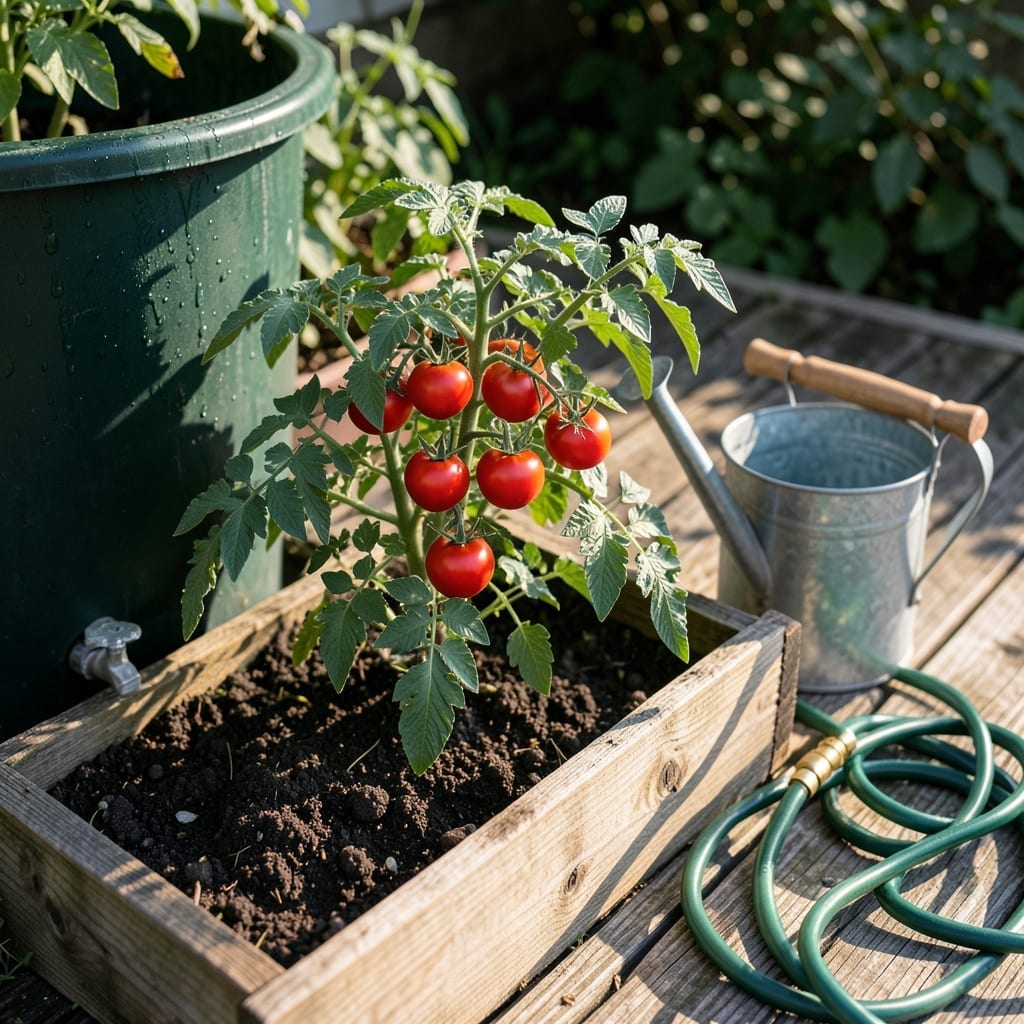
Rain barrels reduce water bills, decrease stormwater runoff, and provide chemical-free irrigation for gardens, supporting sustainable landscaping and healthier plants.
I love how this simple system turns a natural resource into a practical solution for homeowners. By capturing roof runoff, you’re not just saving money—you’re also preventing erosion and protecting local waterways from pollution. 🔥
In my garden, I use the collected water for plants that thrive on natural hydration, and it’s amazing how much healthier they look compared to tap water. ✨
💡 In This Article
A single 1/2-inch rainfall on a 1,000-square-foot roof can yield approximately 300 gallons of water. By capturing this, you reduce demand on municipal water systems, which often draw from rivers and aquifers. This directly lowers energy used for water treatment and distribution—saving an average household up to 1,300 gallons during peak summer months. 🔥
Stormwater runoff from roofs carries pollutants like fertilizer, oil, and sediment into local streams. Rain barrels intercept this flow, preventing contamination. In urban areas, this reduces the “first flush” effect, where the initial heavy runoff carries the highest concentration of pollutants. Cities like Portland have seen 30-40% reductions in runoff volume from widespread barrel use.
✨
For gardens, using collected rainwater means no chlorine or fluoride—common in tap water—that can stress plants. The water is also softer, with a neutral pH, which improves soil structure over time. I’ve noticed my acid-loving plants like blueberries thrive better with rainwater compared to treated municipal sources. 💫
Groundwater recharge is another hidden benefit. When you use rainwater for irrigation, excess water percolates into the soil, replenishing local aquifers. This is especially valuable in drought-prone regions where groundwater depletion is a growing concern. It’s a closed-loop system that mimics natural water cycles. ⚡
Erosion control is often overlooked. By slowing the rate at which water hits the ground, barrels prevent soil compaction and loss. In my own yard, the garden beds near the downspout stay intact even after heavy storms, whereas uncovered areas show visible wear. This protection extends the life of your landscaping investments. 🌟
A typical system can reduce outdoor water use by up to 40%. For an average household, this means saving about 1,300 gallons during summer months, cutting costs significantly.
Only if not properly maintained. Always use a fine mesh screen on the intake and ensure the barrel is sealed. This prevents breeding while allowing water to flow in.
No, rainwater from barrels isn’t safe for drinking. It may contain contaminants from roof materials or debris. Stick to using it for gardening, cleaning, or irrigation.
Position it under a downspout for direct collection. Elevate it on cinder blocks to improve water flow and make filling containers easier.