
Beautiful Plants For Your Interior
Beautiful Plants For Your Interior
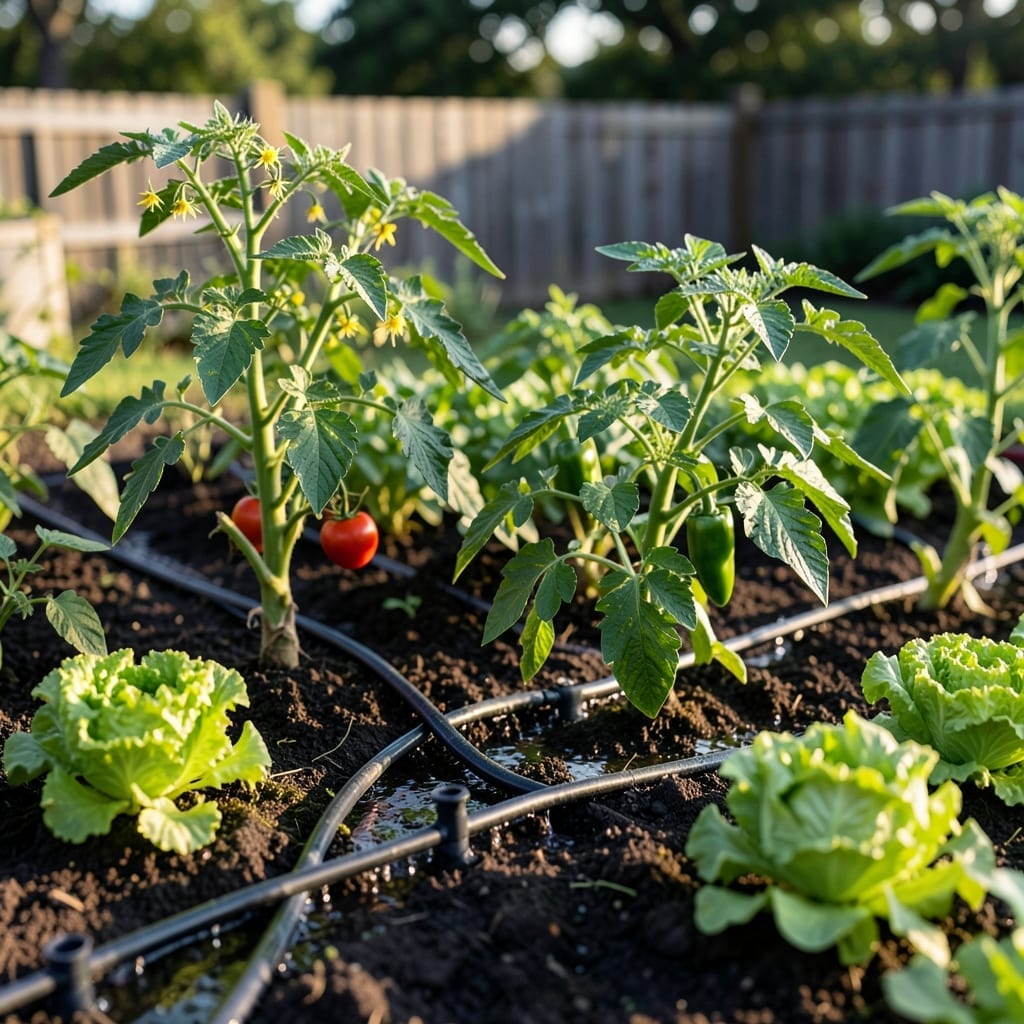
Getting the right watering schedule with a soaker hose can make or break your 🥕 Vegetable Garden. Too little water stresses your plants, while too much can drown roots and waste resources.
I’ve learned that timing is everything when it comes to keeping your garden thriving. The key is finding that perfect balance that gives your plants exactly what they need without going overboard.
Discover how to determine the ideal duration for your soaker hose, considering factors like soil type and weather conditions that affect your Vegetable Garden’s health.
Finding the perfect watering duration for your vegetable garden starts with understanding your soil and plants. I always check my soil type first—clay holds moisture longer, while sandy soil drains quickly.
Most vegetable gardens need about 1-2 inches of water per week, including rainfall. For a soaker hose, this typically translates to 30-60 minutes per session, 2-3 times weekly in moderate weather.
| Factor | Watering Duration |
|---|---|
| Sandy Soil | 45-60 min, 3x/week |
| Clay Soil | 30-45 min, 2x/week |
| Loamy Soil | 30-60 min, 2-3x/week |
| Hot Climate | 60 min daily |
| Cool Climate | 30 min, 2x/week |
For shallow-rooted vegetables like lettuce or radishes, I recommend shorter, more frequent sessions. These plants need consistent moisture near the surface, so 20-30 minutes daily works well.
Deep-rooted plants such as tomatoes or carrots benefit from longer, less frequent watering. I find 60-90 minutes twice a week encourages roots to grow deeper, making them more drought-resistant.
Weather plays a huge role too. During heat waves, I increase watering to daily 45-minute sessions in the early morning. In cooler, rainy periods, I might skip a day or reduce time to 20-30 minutes.
I always use the finger test to check soil moisture. If the top 1-2 inches are dry, it’s time to water. This simple method helps me avoid both underwatering and overwatering my garden.☀️
Remember that newly planted seedlings need more frequent watering—about 15-20 minutes daily for the first week. This helps them establish strong root systems in their new home.
For raised beds, which drain faster, I typically add 10-15 minutes to my usual watering time. The elevated soil dries out more quickly, especially in sunny locations.
I’ve found that mulching around plants helps retain moisture, often reducing my watering needs by 20-30%. This means I can sometimes cut my soaker hose time while keeping plants happy.🌱
Timing your soaker hose sessions can dramatically improve your vegetable garden’s health. I’ve found that early morning is ideal because it allows plants to absorb water before the hottest part of the day.
Watering in the early morning (between 5-9 AM) minimizes evaporation and gives foliage time to dry, reducing the risk of fungal diseases. This timing aligns perfectly with your plants’ natural absorption cycles.
If mornings don’t work, late afternoon is my second choice. However, I always avoid evening watering as it leaves plants damp overnight, creating perfect conditions for mold and mildew.
In hot climates, I sometimes do a light morning watering followed by a short evening session to combat the heat. But I’m careful to finish before sunset to allow foliage to dry.
For container gardens, which dry out faster, I often add an extra 10-15 minutes in the early afternoon. The key is monitoring your plants and adjusting based on their specific needs and your local climate.
Remember that consistency matters more than perfection. I’d rather water at a suboptimal time than skip a session entirely. Your plants will thank you for the regular moisture, even if the timing isn’t ideal.🌿